




Truck Sales: Down This Year & Next, Will Rebound 2002
The demand for new trucks and buses will continue to ease through this year and next, then start a steady pace of expansion in 2002, predicts Economic Planning Associates
The demand for new trucks and buses will continue to ease through this year and next, then start a steady pace of expansion in 2002, predicts Economic Planning Associates.
The Smithtown, N.Y., research firm forecasts retail sales of 596,500 Class 3-8 trucks and buses this year, down 7.3% from 1999. The forecast for 2001 is 547,000 units, another 8.3% drop. But sales will turn upward in 2002, reaching 645,000 units by 2005.
Class 8 sales will take the biggest hit this year, falling to 219,000 units, 16.5% less than the record 262,316 units sold in 1999. EPA expects them to drop another 13% next year before starting a gradual climb to 230,000 units in 2005. Class 7 sales this year are forecast at 124,500 units, down 4.9% from last year, dropping another 5.6% in 2002, then increasing to 130,000 in 2005. Class 6 sales for 2000 are forecast at 57,500, up 19.5% from last year. EPA expects them to drop 9.6% this year then rise to 60,000 units in 2005.
EPA researchers say a steady stream of industry issues, like higher fuel costs and the driver shortage, plus a long anticipated economic slowdown continue to hamper the ability of motor carriers to buy new rolling stock.
Slowing retail sales will reduce truck volumes. At the same time, however, the rapid growth of Internet based sales should be a major contributor to freight volume for some time. EPA notes that online trade in the U.S. is expected to reach $1.3 trillion by 2004, up from $119 billion in 1999.
Housing activity is down from historically high levels, but strength in non-residential sectors should have a positive effect on freight volumes. Manufacturing should benefit from a number of economic developments, such as increased consumer e-commerce buying and growing export demand. Coal and grain movements are down but other commodity markets, such as steel and chemicals, are on the rise.
Overall, EPA expects truck traffic growth to be relatively flat this year compared to 1999 then increase 2% to 2.5% in 2001. Longer term, EPA researchers say economic expansion and annual increases in merchandise trade with other countries -- especially Mexico and Canada -- should keep truck traffic rising at an annual rate of 3% to 3.5% from 2002 through 2005.
For more information, contact Economic Planning Associates at (631) 864-4900 or e-mail EPACORP@AOL.COM.
More Fleet Management
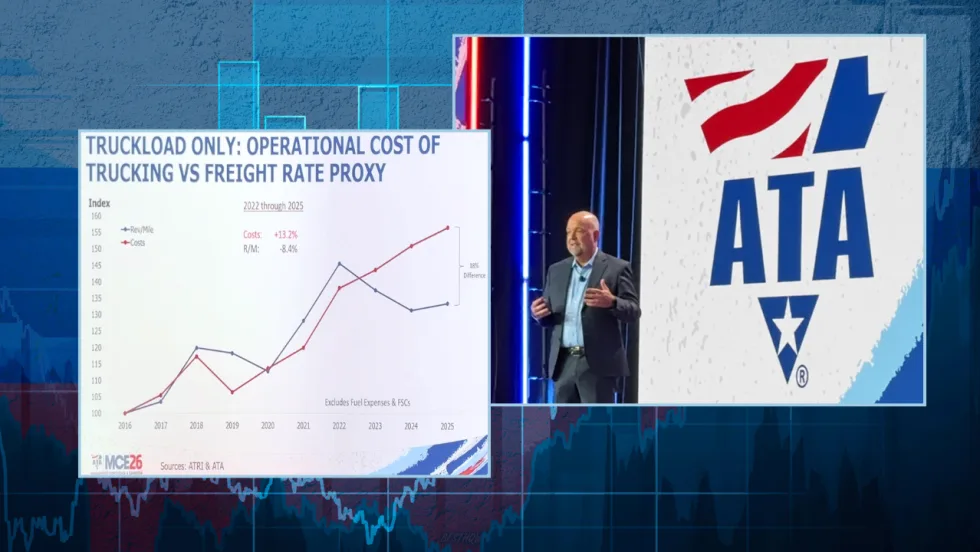
Why This Trucking Recovery Is Different
Freight demand remains sluggish, but rising costs and tougher enforcement have taken enough capacity out of the market to change the outlook for motor carriers.
Read More →
Platform Science Adds Dispatch and Safety Tools
Four additions to PS Fleet help fleets monitor loads, manage driver coaching, share truck locations and adjust video system settings.
Read More →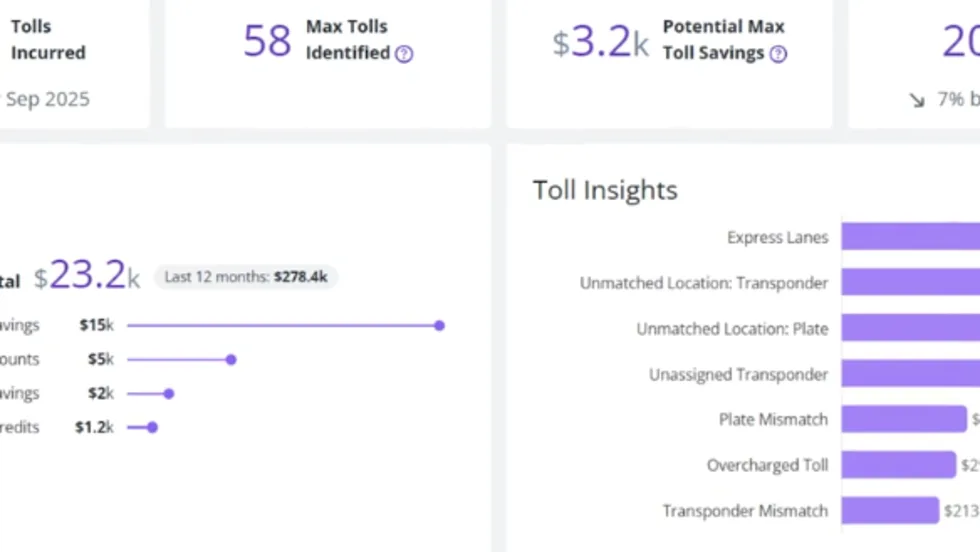
PrePass Intelligence Mines Fleet Bypass, Toll and Safety Data
PrePass Intelligence helps fleets measure bypass savings, flag potential toll overcharges, and spot suspicious transactions by combining data from separate systems.
Read More →
Motive Adds AI Agents for Fleet Operations
New tools automate follow-up on fleet data, from maintenance work orders to driver alerts, with two-way voice conversations planned for later this year.
Read More →
Can You Beat Our Trucking Trivia Challenge?
Test your truck knowledge with 19 trivia questions from Heavy Duty Trucking Exchange. Can you keep up with the fleet pros?
Read More →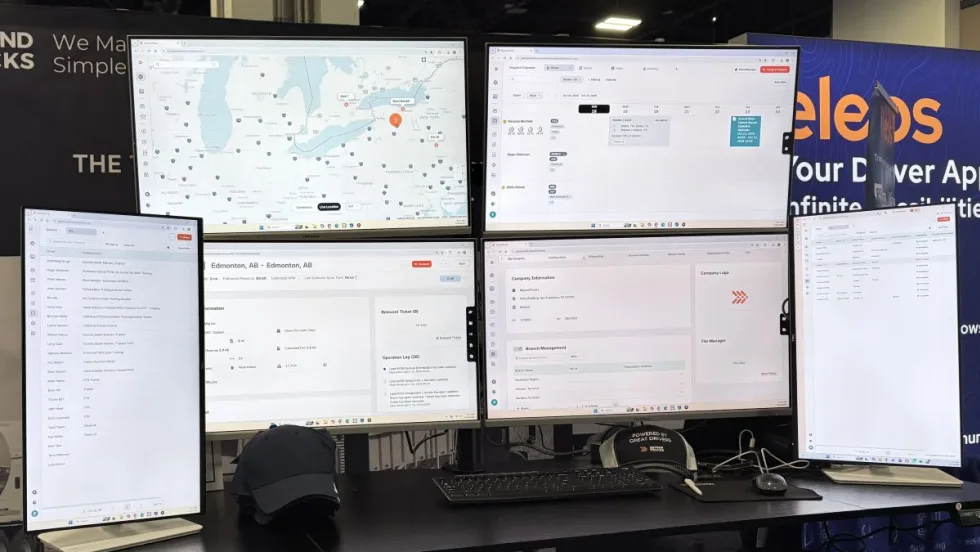
BeyondTrucks Adds Rules Checks to Dispatch
New Compatibility Engine checks driver qualifications, equipment requirements and fleet policies before loads are dispatched.
Read More →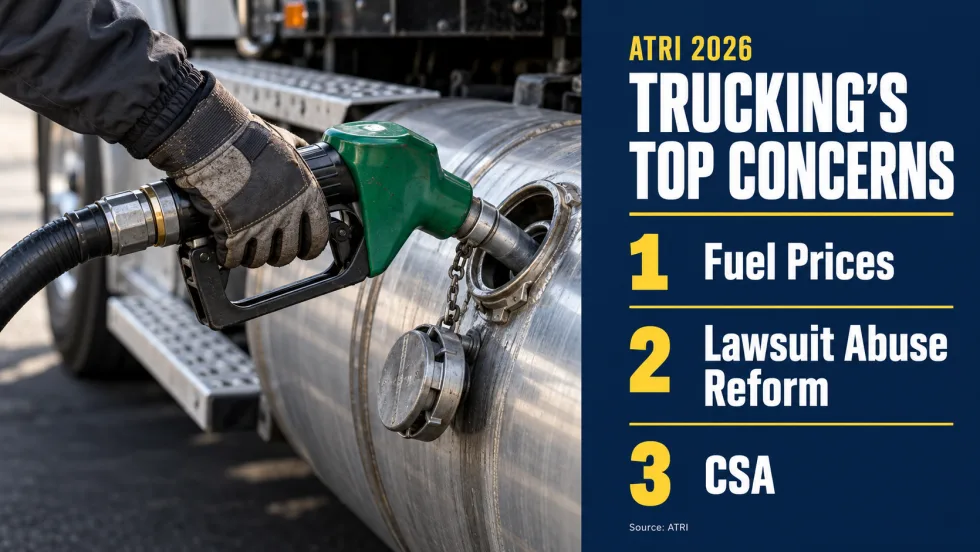
Diesel Prices Hijack Trucking’s Worry List
ATRI’s annual survey finds cautious optimism about freight, but diesel costs, litigation, and insurance continue to squeeze fleets. Drivers have different priorities on several issues.
Read More →
Nomination Deadline Extended for HDT Emerging Leaders
Just a few more days to nominate accomplished trucking fleet professionals under 40 who are making an impact and helping lead the industry forward for the HDT Emerging Leaders award. Deadline extended to October 20!
Read More →
What Will ATA’s New Leader Bring to Trucking's Table?
Incoming President and CEO Mark Colson’s record in Alabama offers clues about his priorities and approach following Chris Spear’s abrupt departure as the head of the American Trucking Associations.
Read More →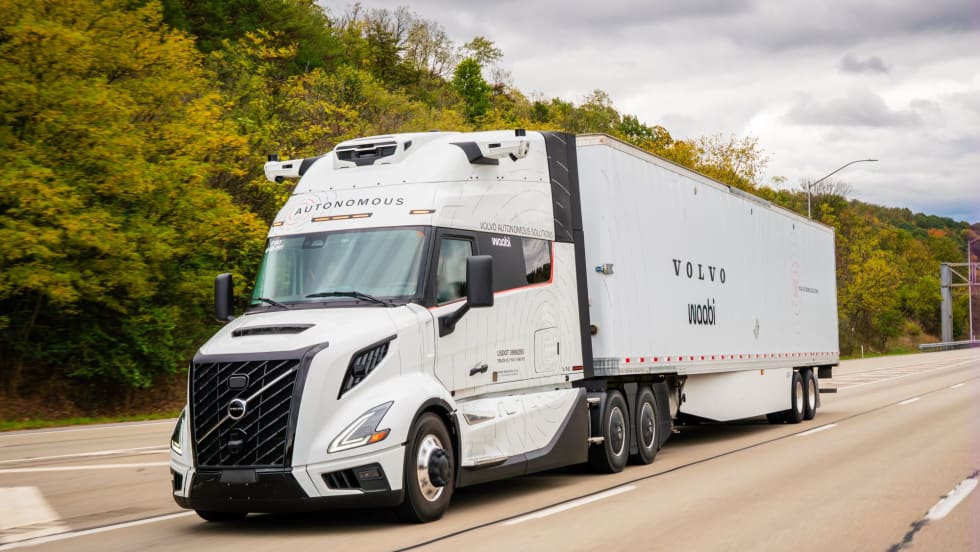
Volvo, Waabi Start Commercial Autonomous Operations in Texas
Volvo VNL Autonomous trucks, powered by the Waabi Driver, are hauling freight directly to third-party facilities for a customer in Texas.
Read More →