




Task Force to Tackle Driver Diabetes
Diabetes in truck drivers is under-reported, under-diagnosed and under-treated, says a leading trucking physician, and a new medical task force hopes to bring more attention to the issue along with more consistent oversight of drivers with the condition
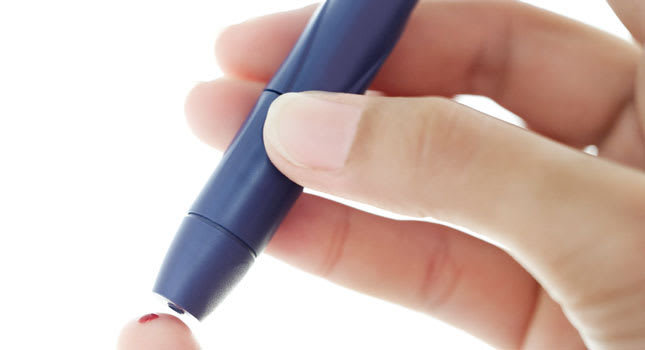
Many drivers may not even be aware they have diabetes.
Diabetes in truck drivers is under-reported, under-diagnosed and under-treated, says a leading trucking physician, and a new medical task force hopes to bring more attention to the issue along with more consistent oversight of drivers with the condition.
Gary Moffitt works with companies such as J.B. Hunt and Walmart as founder and owner of the Arkansas Occupational Health clinic and is a member of the Federal Motor Carrier Safety Administration's Medical Examiners Working Group. In a session at the Truckload Carriers Association convention in Orlando, Fla., Sunday afternoon, Moffitt told the story of a 72-year-old driver he recently examined who was having a problem with passing out. Moffitt found his blood sugar was 325 and he had an A1C (a measurement of how well blood sugar has been managed for the last 90 days) of 9.2, which is high.
Moffitt was not able to qualify the driver, but sent him to an endocrinologist to help get his condition under control. The specialist put him on a new medicine, and last time Moffitt saw the driver he had lost 18 pounds, looked years younger, and both the company and the driver were happy he was able to get back on the road.
"He told me he had had a diagnosis of diabetes for 10 years and had never had his blood sugar tested during his DOT physical," Moffitt said.
That illustrates the problem in the industry currently. Drivers who have diabetes and are dependent on insulin are not allowed to drive unless they get apply for and are granted a special exemption. Yet current DOT exams do not require a blood sugar test. They rely on the driver to self-report a diabetes diagnosis, and call for a urine test for sugar, protein and several other measures.
"There's no way that you can tell that a driver's in control [of his diabetes] with a urinalysis," Moffitt said. "You have the right to do more lab tests, but many examiners don't, because they do not know they are allowed to do any more lab, or because physicals are being done in the terminal and it's more difficult to do that."
New Task Force
Moffitt and others in the medical community, including high-ranging officials with the American Diabetes Association, are convening a joint task force of leading specialists in diabetes treatment and occupational medicine to develop consensus recommendations for diabetic drivers.
"We did the same thing in 2006 and came up with recommendations for sleep apnea," Moffitt said. "We said this is what sleep apnea is, these are the people that are at risk for it, and if you think a driver potentially has sleep apnea, here's how he should be tested. Here are the ones that need to be taken out of the truck, here's the continued testing that needs to be done."
The guidelines weren't endorsed by the FMCSA, but Moffitt said the task force didn't expect them to be. However, he said, "It started a conversation" and offered some guidance for fleets looking for answers.
"What we're hoping to do is to clarify exactly what is diabetes; look at the best practices; discuss the concept of control; then what is appropriate testing when a DOT driver has a physical? Certainly not just a urinalysis," Moffitt said.
"We feel this is medicine's responsibility -- not trucking, not FMCSA, not the government," Moffitt said. "We medical providers need to step up and do what we're supposed to be doing. Drivers, carriers, examiners want clarity on this issue, and the current algorhythms don't fit trucking."
The Extent of the Problem
Many drivers may not even be aware they have diabetes, Moffitt said. He also owns a company called RoadReady that does DOT physicals. Looking at the 100,000-plus physicals in their database, he said, they found that about 6.6% of drivers self-reported. But extrapolating from body-mass index numbers and how those are related statistically to diabetes, he said the prevalence of diabetes is more likely to be 11 to 12%. So probably half of drivers with diabetes don't know or aren't reporting it on their DOT physicals.
What's also troubling, Moffitt said, was that according to a 1997 FMCSA guidance that is still in effect, is that while the medical examiner is responsible for making sure driver medical certifications meet federal requirements, the motor carrier has the responsibility to ensure that the medical examiner is informed of the minimum medical requirements and the characteristics of the work to be performed. The motor carrier is also responsible for ensuring that only medically qualified drivers are operating commercial motor vehicles in interstate commerce.
"That's backwards, and it puts the carrier in a very awkward position," Moffitt said.
In addition, he said, the federal regulations do not precisely define what a "diagnosis of diabetes mellitus" entails.
FMCSA has already published guidance for its soon-to-be established National Registry of Certified Medical Examiners, but Moffitt said it still falls short when it comes to looking at how well drivers are actually controlling their diabetes.
For instance, he said, the guidelines recommend that drivers not pass their medical exam if in the last 12 months, they have experienced hypoglycemia that resulted in seizure, loss of consciousness or needing to be assistaned by a another person. "That's pretty severe hypoglycemia," Moffitt said.
"I don't think the current diabetes regulations are acceptable," Moffitt said. "Some examiners do blood sugar tests, some don't; some get medical records, some don't. To me it's not fair to the driver. it's not fair to the carrier that's responsible."
More Safety & Compliance

FMCSA Removes 110 Truck Driver Training Schools from Certified ELDT List
Federal regulators also are targeting more than 160 additional training providers and launching a nationwide audit of third-party CDL skills testers as part of a broader crackdown on trucking fraud.
Read More →
Beyond DOT Compliance: What Makes a Trucking Fleet Truly Safe?
A trucking fleet can follow every rule and still make unsafe decisions. The real test comes when safety conflicts with freight, productivity, or cost.
Read More →
Hours of Service Pilot Programs: FMCSA Readies for 2027 Rollout
Two pilot programs could eventually reshape hours-of-service rules, giving truck drivers options to pause their 14-hour clock or use longer split sleeper rest periods.
Read More →
New Guide Offers Pet Safety Tips for Truck Drivers
Hundreds of thousands of pets travel in truck cabs. A new safety guide from Volvo Trucks and the Center for Pet Safety offers practical advice for truck drivers who bring dogs and cats along for the ride.
Read More →
Medical Cards, English Proficiency Reshape Roadcheck Violations
Medical-card violations jumped to the top of the driver out-of-service list during CVSA’s 2026 International Roadcheck, while English-language proficiency violations appeared among the leading violations for the first time.
Read More →
How Lance Evans Turns Enforcement Experience Into Better Fleet Safety
HDT Truck Fleet Innovator Lance Evans brings lessons from law enforcement to K&B Transportation’s approach to safety technology, data, driver coaching, and compliance.
Read More →
New FMCSA Chief Safety Officer Has Trucking Industry and Law Enforcement Experience
Steve Dowling joins FMCSA after serving as senior director of safety at Covenant Logistics and in leadership roles in commercial motor vehicle industry organizations.
Read More →
Driver Trust Can Make or Break the Success of Fleet Safety Technology
New Teletrac Navman research suggests that onboarding, transparency about driver data, and positive feedback can play a significant role in how commercial drivers respond to safety and coaching technology.
Read More →
FMCSA: Stop Using These 15 Electronic Logging Devices
Fleets and drivers must replace the revoked ELDs with ones on the FMCSA's registered device list of electronic logging devices.
Read More →
How HDT’s 2026 Truck Fleet Innovators Are Rethinking Fleet Operations
Meet five trucking leaders who are challenging assumptions, solving operational problems, and putting innovative ideas to work.
Read More →