




Survey Says Trucker Drug Use Drops Dramatically
The latest federally conducted survey of trucking companies shows the industry's estimated drug use violation rate has been cut from 2.2 % to 1.3% of drivers tested — a 41% reduction from 1996 to 1997
The latest federally conducted survey of trucking companies shows the industry's estimated drug use violation rate has been cut from 2.2 % to 1.3% of drivers tested — a 41% reduction from 1996 to 1997.
The new rate includes data from 1,294 randomly selected motor carriers with an estimated 112,730 drivers.
"Drug use in the trucking industry is well below the average for other industries and the general population," said Walter McCormick, president and CEO of the American Trucking Assns. "But we have to keep at it. The highway is our workplace, and we will continue working to making it drug-free and safer for our drivers and for the motorists and families with whom we share the road."
For the second year in a row, the study also showed that the alcohol use violation rate remained at a low rate of 0.2% of drivers tested randomly. Citing this low violation rate, the Department of Transportation's Office of Motor Carrier & Highway Safety last year lowered the trucking industry's minimum annual random alcohol testing rate from 25% to 10% of its drivers.
All motor carriers who employ drivers with a commercial driver's license are required to have comprehensive in-house drug and alcohol testing programs. They must randomly test 10% of their CDL drivers for alcohol and 50% of their CDL drivers for drugs each year. In addition, trucking companies conduct pre-employment, post-accident, reasonable-suspicion, return-to-duty and follow-up tests.
According to one of the largest U.S. drug testing laboratories, SmithKline Beecham, the 1997 positive random test rate for all federally mandated, safety-sensitive workers covered under workplace drug testing programs was 2.9%.
"This puts the trucking industry drug use rate at less than half that of other federally mandated, safety sensitive workers," McCormick said.
More Safety & Compliance

FDA Eases Path for Oral-Fluid Testing
Federal actions could advance oral-fluid drug testing for truck drivers, but lab certification delays and marijuana rescheduling questions remain.
Read More →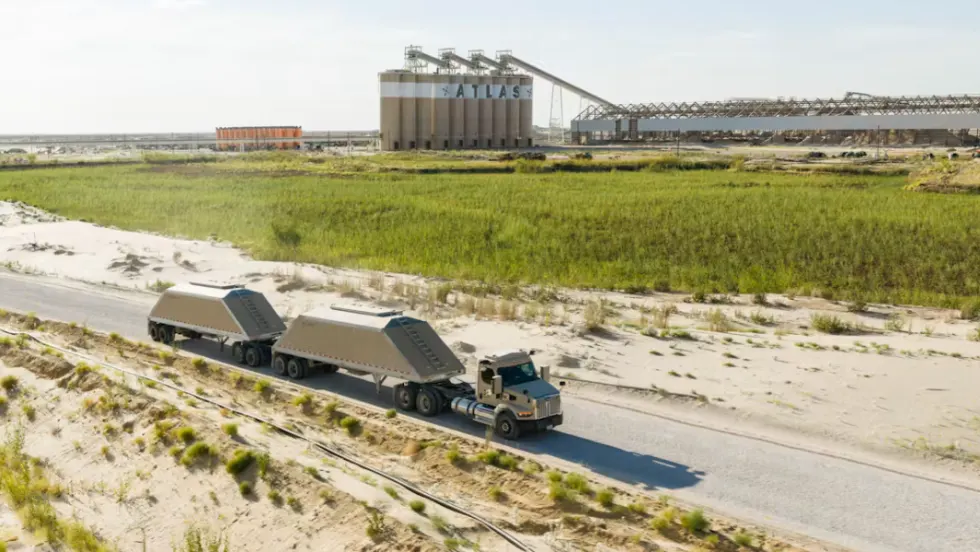
Kodiak Lines Up Fleets for Driverless Trucking
An agreement for 75 trucks, a new Texas freight lane, and progress on safety validation move Kodiak closer to its planned driverless highway launch.
Read More →
More Trailer Data Through the Same Seven-Way [Video]
Can trucking’s standard seven-way connector handle more cameras and trailer data? Grote’s Adam Slade shows HDT how the company is using new technology with its 4See trailer system, not only to add a new backup camera but also to expand other capabilities — without adding another connection.
Read More →
PrePass Intelligence Mines Fleet Bypass, Toll and Safety Data
PrePass Intelligence helps fleets measure bypass savings, flag potential toll overcharges, and spot suspicious transactions by combining data from separate systems.
Read More →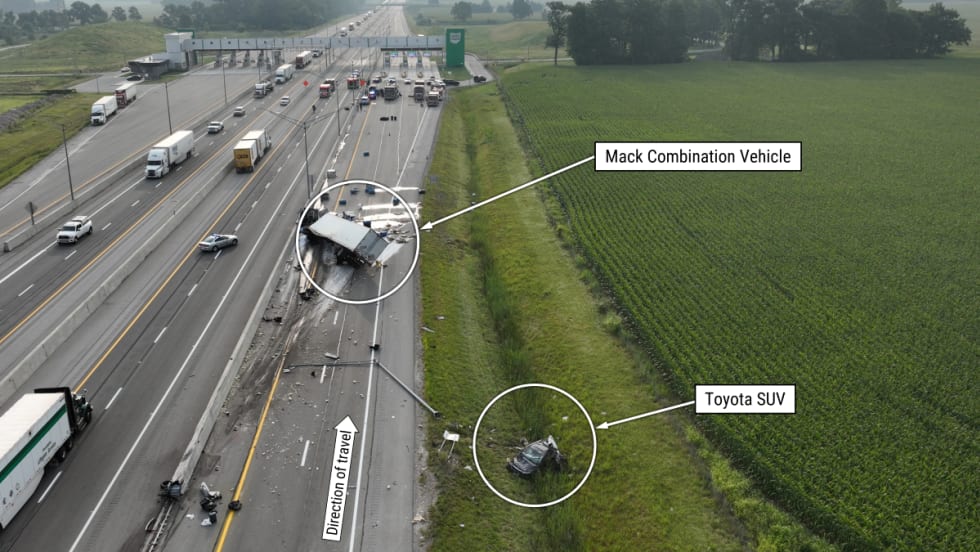
Fatal Crash Exposes Toll Plaza Risks
An NTSB investigation found that last-minute lane changes and large speed differences at an Ohio toll plaza created a hazard the truck driver couldn't avoid in time.
Read More →
When Language Stops the Truck: The Return of ELP Out-of-Service Orders
English language proficiency rules for commercial drivers aren’t new, but renewed out-of-service enforcement has raised the stakes. Here’s what carriers need to know before a driver reaches a roadside inspection.
Read More →
Marijuana and Trucking’s Drug-Testing Dilemma
Marijuana is getting stronger, laws are changing, and drug tests still can’t reliably establish impairment. What does that mean for truck drivers and the fleets that employ them?
Read More →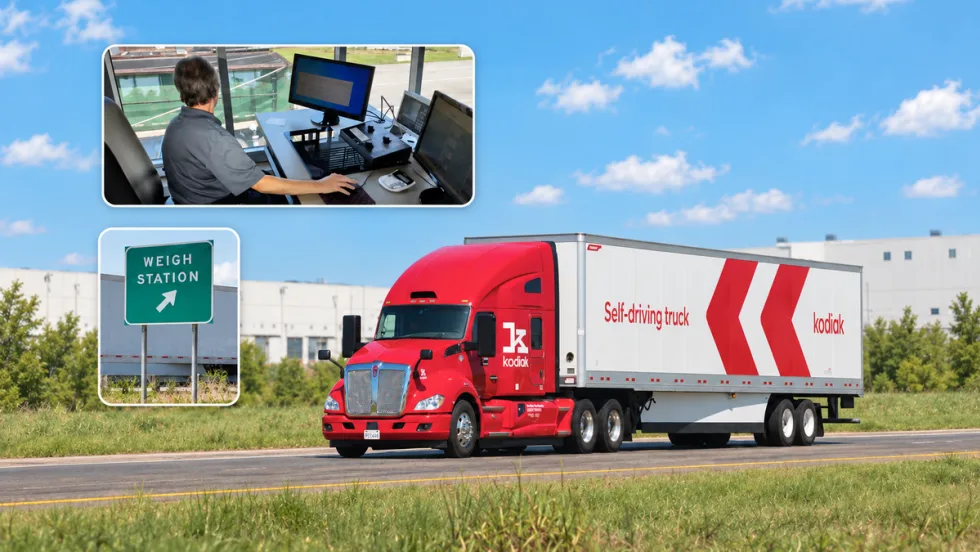
PrePass, Kodiak Connect Driverless Trucks to Roadside Enforcement
The system will allow enforcement agencies to verify Enhanced Inspection information and decide whether Kodiak’s autonomous trucks can bypass roadside screening sites.
Read More →
From One Generation to the Next: How Mentorship Builds Safer Truck Drivers
After three decades in trucking, Harold Perry shares what he's learned about driver safety, mentorship, and helping the next generation build confidence behind the wheel.
Read More →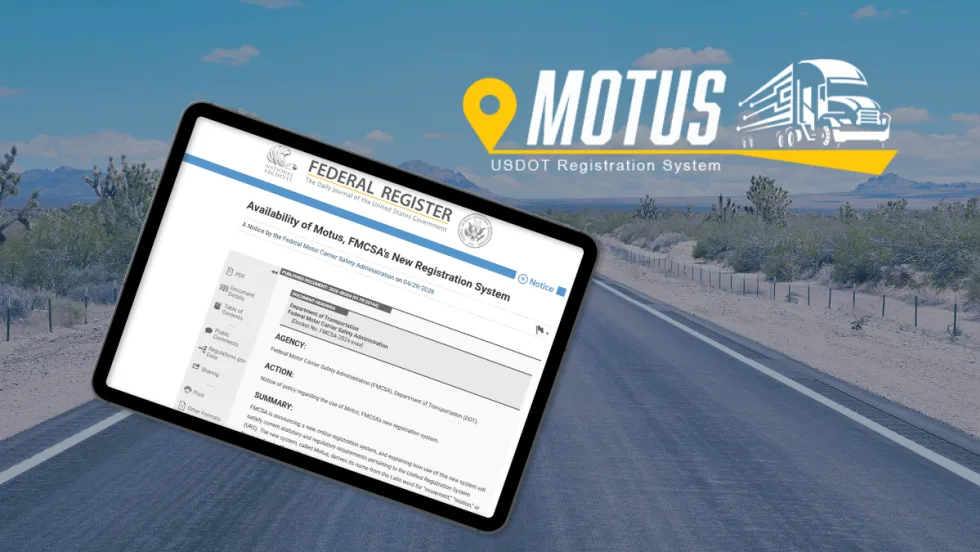
FMCSA Pauses Biennial-Update Enforcement Amid Motus Transition
Carriers whose updates were due on or after June 1 have more time, while FMCSA works to stabilize its new registration system and warns of phishing sites impersonating its new carrier registration system, Motus.
Read More →