




Cummins' SuperTruck II Achieves 55% Brake Thermal Efficiency
The Department of Energy recognized the Cummins SuperTruck II team for achieving 55% brake thermal efficiency from an engine equipped with waste heat recovery.

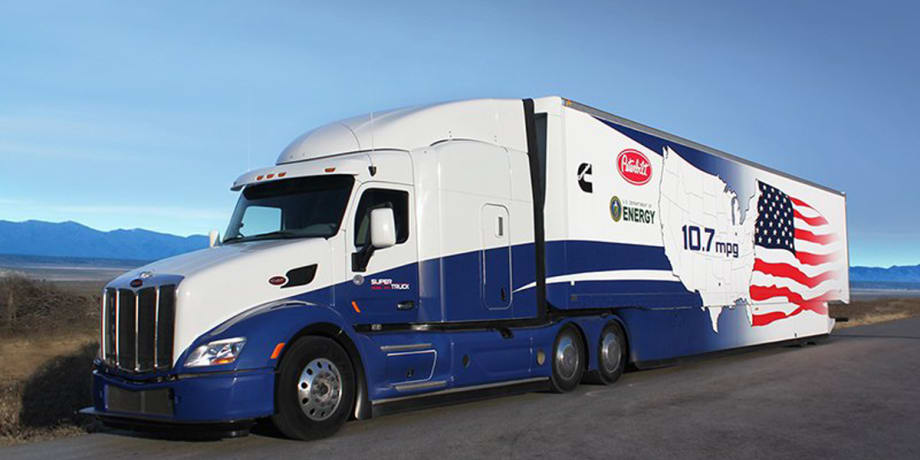
When the technologies developed under the SuperTruck I (shown) initiative hit the market, they are projected to reduce CO2 emissions by 33% from the 2009 baseline. SuperTruck II demonstrates a further 50% reduction in CO2 emissions, doubling efficiency.
Photo: Cummins
The Department of Energy recognized the Cummins SuperTruck II team for pioneering research and development in heavy-duty diesel engine technology, and achieving 55% brake thermal efficiency (BTE) from an engine equipped with waste heat recovery.
Cummins has been part of the DOE’s SuperTruck initiative since it began in 2010 with the goal to improve heavy-duty truck freight efficiency. BTE quantifies the fraction of the fuel's chemical energy that is converted into useful work by the engine system, and acts as an important measurement of overall engine efficiency, Cummins officials said in a press release.
As the SuperTruck II program progresses, the Cummins engine with 55% BTE will integrate into a Peterbilt truck to ultimately demonstrate improvement in freight efficiency.
More than 200 Cummins employees supported the core SuperTruck team of 25 innovators, who inched toward the 55% BTE goal with incremental changes and improvements until finally reaching their goal in January.
"Getting to 55% BTE was about optimally moving the needle in many areas,” said Jon Dickson, Cummins principal investigator for the SuperTruck II initiative. “The interactions among the engine subsystems complicated defining how to operate each of these subsystems to reach the optimum engine performance. Achieving the final objective occurred with careful hardware selection and a month of optimization of the engine and Waste Heat Recovery systems at the test cell.”
Daniel Mohr, system integration lead for the Cummins SuperTruck project, says they will keep building on this success.
“We set out to meet aggressive engine-level targets, but we will not meet all our goals simply by increasing engine efficiency; we need to think about investigating the use of low carbon fuels-- hydrogen, natural gas, and alcohols. This is our next focus.”
When the technologies developed under the SuperTruck I initiative hit the market, they are projected to save 7.9 million gallons of diesel fuel per day and reduce CO2 emissions by 33% from the 2009 baseline. SuperTruck II demonstrates a further 50% reduction in CO2 emissions, doubling efficiency.
More Fuel Smarts
Trucking’s Diesel Squeeze Isn’t Letting Up
With diesel topping $6 a gallon nationally, ATA's Bob Costello explains why fleets should prepare for continued pressure at the pump.
Read More →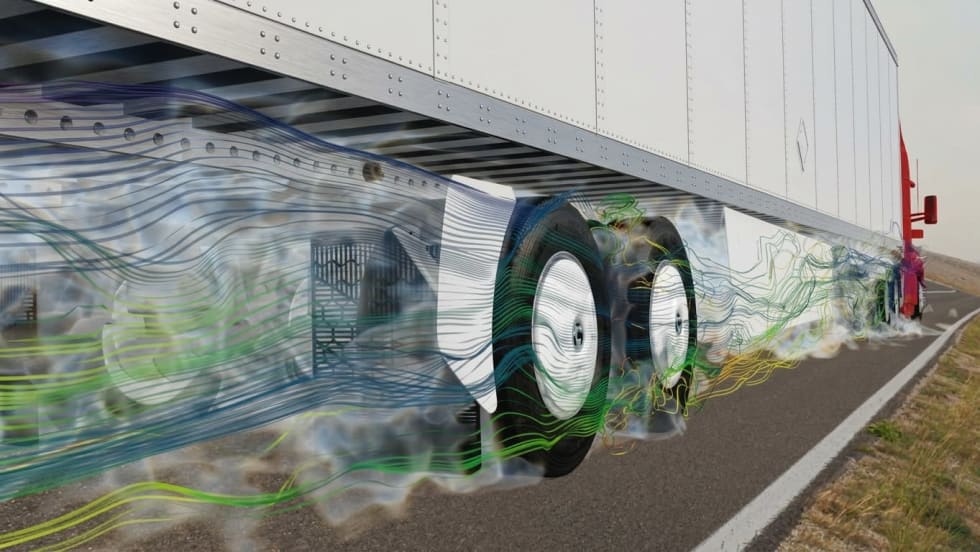
FlowBelow Redesigns Trailer AeroSlider to Cut Fuel Use
The lighter trailer aerodynamic system installs in less than 45 minutes, according to the company, with potential payback in under a year depending on fuel prices and trailer mileage.
Read More →
Why Diesel Price Relief Efforts May Fall Short
Diesel prices have eased from September’s record high, but doubts about additional Russian supply and limits on dyed-diesel tax relief mean trucking fleets still face expensive fuel. And prices could go higher.
Read More →
Why Small Fuel Savings Matter in Trucking
Can better fuel economy help pay for driver raises? In this podcast, GP Transco explains how small efficiency gains create room to reinvest in its people.
Read More →
How GP Transco Cuts Trucking Fuel Costs, a Tenth of a Gallon at a Time
What’s another tenth of a mile per gallon worth? GP Transco shares how equipment upgrades and driver coaching turn small gains into meaningful fuel savings.
Read More →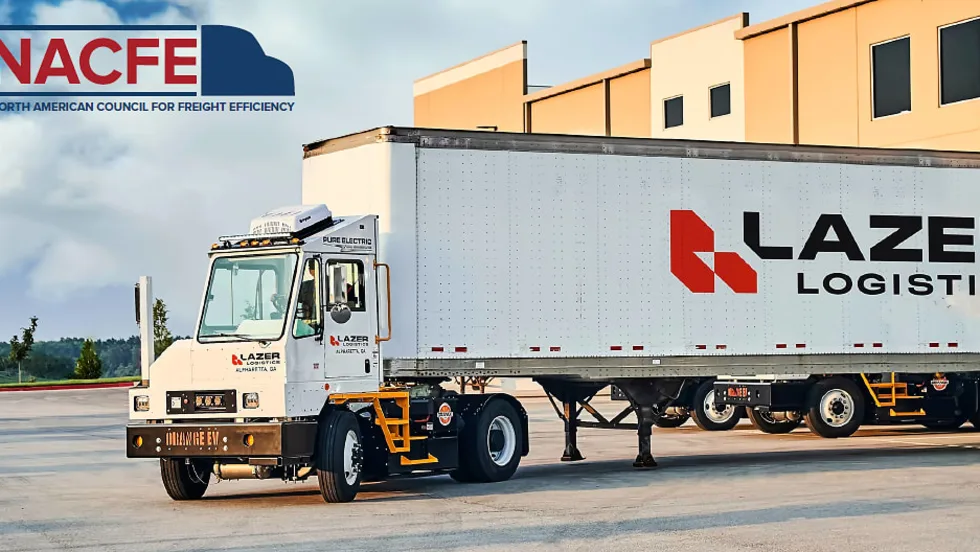
Electric Yard Tractors Move Beyond Pilots
Operating-cost savings have overtaken sustainability goals as the leading reason surveyed fleets are adopting battery-electric terminal tractors, according to new NACFE research.
Read More →
Geotab Links Fleet Card to Vehicle Data
The new card combines fuel discounts with telematics-based purchase controls. Geotab’s analysis also points to potential savings from choosing lower-priced fuel stops.
Read More →
Fleet Economics Shape Electric Truck Outlook
ACT Research expects costs, charging infrastructure, and technology improvements to drive zero-emission commercial vehicle adoption as federal regulations and incentives retreat.
Read More →
Wex Adds Cardless Fuel Payments for Over-the-Road Customers
A new fuel card feature for Wex customers offers convenience and security.
Read More →
New California Law Could Shed Light on Electric Truck Prices
Why do battery-electric Class 8 trucks remain so expensive? A California bill signed by Gov. Gavin Newsom would give fleets and state agencies more visibility into what manufacturers charge.
Read More →