




Study: Texting While Driving More Dangerous Than DUI
Texting behind the wheel impairs driving skills more than being drunk or high, according to new research carried out by British researchers
Texting behind the wheel impairs driving skills more than being drunk or high, according to new research carried out by British researchers.
The study was done by the UK's Transport Research Laboratory for the Royal Automobile Club Foundation.
The RAC Foundation and TRL used TRL's driving simulator to research the effects of writing, reading and ignoring text messages on the driving skills of a test group of 17- to 24-year-old motorists. In all key measures of driving performance, young people who were texting and driving were badly affected.
Reaction times deteriorated by over one-third (35%). This was worse than alcohol at the legal limit (12% slower) and driving under the influence of marijuana (21% slower)
In addition, drivers drifted out of their lane more often. Steering control was 91% worse, compared to 35% worse when under the influence of marijuana. The ability to maintain a safe following distance also fell.
TRL's experts concluded that "In real world traffic situations, it is suggested that poorer control of vehicle speed, lateral position, and increased reaction times in this situation would increase the likelihood of collision dramatically."
Comparing the level of distraction caused by texting to previous TRL studies into the impairment effects of drugs, alcohol and speaking on a cell phone, the report concludes that texting had the greatest impact on lane positioning, and the second greatest impact on reaction times, second only to using a hand-held phone, making texting while driving more risky than driving while on drugs or under the influence of alcohol.
TRL provides independent and impartial world class research, consultancy, advice and testing for all aspects of transport. Originally established in 1933 as part of the UK Government, TRL privatized in 1996 to become a fully independent private company. TRL is wholly owned by the Transport Research Foundation.
More Safety & Compliance

ZF Expands Commercial Vehicle Push in North America
ZF is expanding its North American commercial-vehicle presence with new transmission applications, electrification, trailer technology and autonomous-driving systems.
Read More →
Truck Drivers Need More Than Another Alert
Fleets have more visibility into truck health, safety events, and driver activity than ever. The next challenge is turning all that information into useful guidance for the person who has to decide what to do next.
Read More →
Tesla Wants a Self-Driving Semi. Are Cameras Enough?
Could Tesla’s camera-only autonomous driving technology work on an 80,000-pound Semi? In this commentary, HDT's Deborah Lockridge takes a look at Tesla, Cybercab, and how autonomous trucks see the road.
Read More →
What DOT’s Automated Vehicle Strategy Means for Trucking
The U.S. Department of Transportation issued a new automated-vehicle strategy that outlines plans for driverless-truck regulations, cross-state freight corridors, and federal safety standards.
Read More →
NYC Expands Speed, Pedestrian Safety Tech Across Fleet
New York City is expanding intelligent speed assistance and pedestrian-alert systems across its municipal fleet, moving the technologies from pilot programs into vehicle procurement and retrofit requirements.
Read More →
FMCSA Removes 110 Truck Driver Training Schools from Certified ELDT List
Federal regulators also are targeting more than 160 additional training providers and launching a nationwide audit of third-party CDL skills testers as part of a broader crackdown on trucking fraud.
Read More →
Beyond DOT Compliance: What Makes a Trucking Fleet Truly Safe?
A trucking fleet can follow every rule and still make unsafe decisions. The real test comes when safety conflicts with freight, productivity, or cost.
Read More →
Hours of Service Pilot Programs: FMCSA Readies for 2027 Rollout
Two pilot programs could eventually reshape hours-of-service rules, giving truck drivers options to pause their 14-hour clock or use longer split sleeper rest periods.
Read More →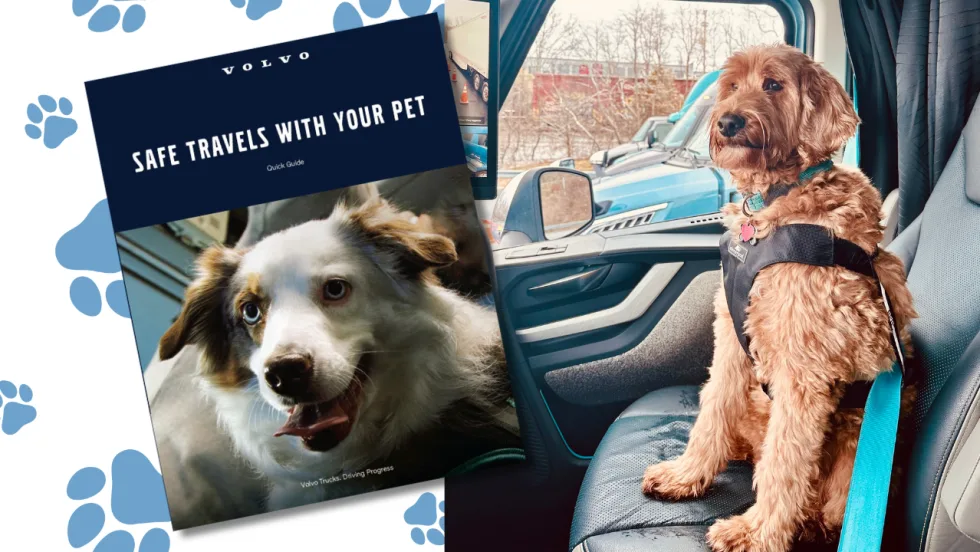
New Guide Offers Pet Safety Tips for Truck Drivers
Hundreds of thousands of pets travel in truck cabs. A new safety guide from Volvo Trucks and the Center for Pet Safety offers practical advice for truck drivers who bring dogs and cats along for the ride.
Read More →
Medical Cards, English Proficiency Reshape Roadcheck Violations
Medical-card violations jumped to the top of the driver out-of-service list during CVSA’s 2026 International Roadcheck, while English-language proficiency violations appeared among the leading violations for the first time.
Read More →