




Fleets Better at Advancing NGV Deployment
A new guide created by the Center for Climate and Energy Solutions (C2ES) states that public and private fleets that use natural gas vehicles are better at advancing their deployment than individual vehicle owners.
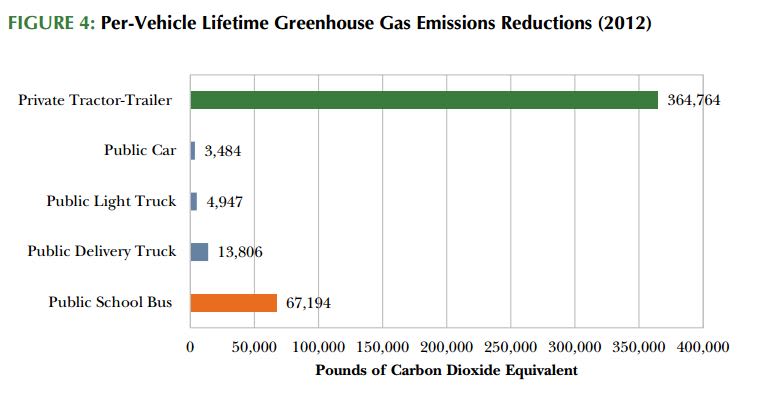
Photo courtesy of C2ES
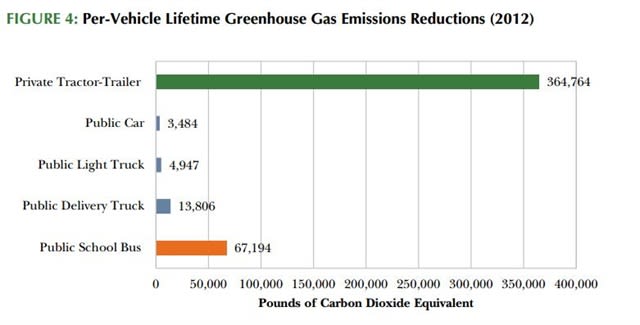
Photo courtesy of C2ES
Public and private fleets that use natural gas vehicles are better at advancing NGV deployment because they may be able to more readily overcome the barriers involved with NGVs than individual vehicle owners, according to a guide released by the Center for Climate and Energy Solutions (C2ES).
Increasing the use of natural gas vehicles (NGVs) in public and private fleets is the best way to significantly reduce gasoline and diesel use in the transportation sector, according to the independent nonprofit organization that works to advance strong policy and action to address climate and energy challenges.
The findings are part of a two-year initiative to develop groundbreaking finance mechanisms aimed at quickening the deployment of alternative fuel vehicles and fueling infrastructure, as part of a combined effort by the center and the National Association of State Energy Officials (NASEO) with funding from the U.S. Department of Energy’s Clean Cities Program.
The guide details how fleet managers were originally hesitant to adopt NGVs in the past due to high upfront vehicle costs and lack of available fueling stations. It also delves into questions that private investors, state, and local agencies may have about important concerns and strategies for deploying NGVs in public and private fleets.
An additional section of the guide analyzes a variety of scenarios for tractor-trailer truck and light-duty vehicle fleets, and estimates the potential for NGVs to achieve net cost savings compared to conventional vehicles.
Click here to read the report.
More Fuel Smarts
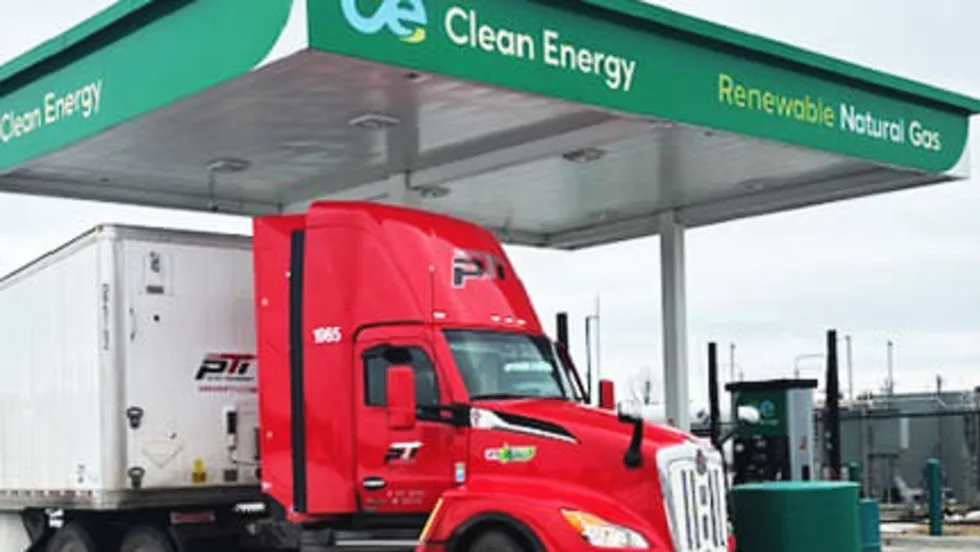
Paper Transport Puts RNG to Work for Shipper
Eight renewable natural gas trucks are hauling freight for Graphic Packaging, part of Paper Transport’s growing mix of alternative-fuel transportation options that also includes a Tesla Semi pilot.
Fleet Costs Shape ACT Expo 2027 Agenda
With diesel prices high and operating expenses under pressure, ACT Expo's 2027 agenda emphasizes fuel efficiency, AI, safety and the return on fleet technology investments.
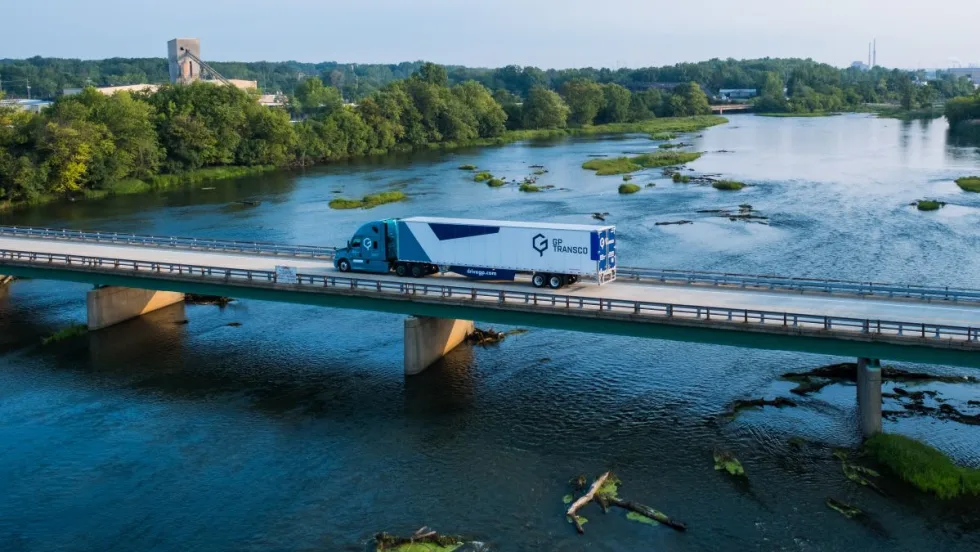
How GP Transco Builds Fuel Savings a Fraction at a Time
Aerodynamic specs, solar panels, and driver incentives help GP Transco turn small efficiency gains into savings it can reinvest in its people.
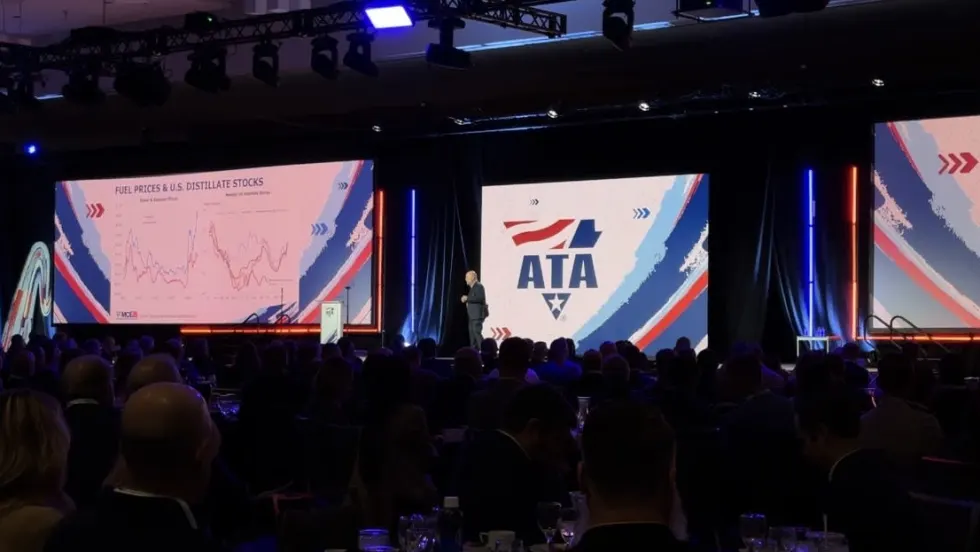
Trucking’s Diesel Squeeze Isn’t Letting Up
With diesel topping $6 a gallon nationally, ATA's Bob Costello explains why fleets should prepare for continued pressure at the pump.
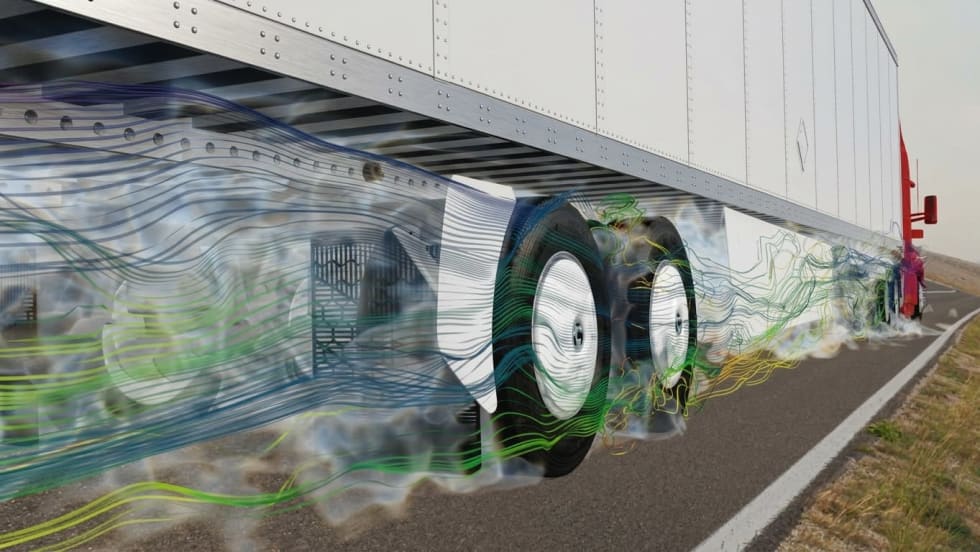
FlowBelow Redesigns Trailer AeroSlider to Cut Fuel Use
The lighter trailer aerodynamic system installs in less than 45 minutes, according to the company, with potential payback in under a year depending on fuel prices and trailer mileage.
Why Diesel Price Relief Efforts May Fall Short
Diesel prices have eased from September’s record high, but doubts about additional Russian supply and limits on dyed-diesel tax relief mean trucking fleets still face expensive fuel. And prices could go higher.
Why Small Fuel Savings Matter in Trucking [Podcast]
Can better fuel economy help pay for driver raises? In this episode of the HDT Talks Trucking podcast, GP Transco explains how small efficiency gains create room to reinvest in its people.

How GP Transco Cuts Trucking Fuel Costs, a Tenth of a Gallon at a Time
What’s another tenth of a mile per gallon worth? GP Transco shares how equipment upgrades and driver coaching turn small gains into meaningful fuel savings.

Electric Yard Tractors Move Beyond Pilots
Operating-cost savings have overtaken sustainability goals as the leading reason surveyed fleets are adopting battery-electric terminal tractors, according to new NACFE research.

Geotab Links Fleet Card to Vehicle Data
The new card combines fuel discounts with telematics-based purchase controls. Geotab’s analysis also points to potential savings from choosing lower-priced fuel stops.