




Senate Passes Highway Bill, 74-22
In an unusual display of bipartisanship, the Senate passed a two-year, $109 billion highway bill by a vote of 74 to 22. All of the Senate's Democrats and half of its Republicans voted for the bill
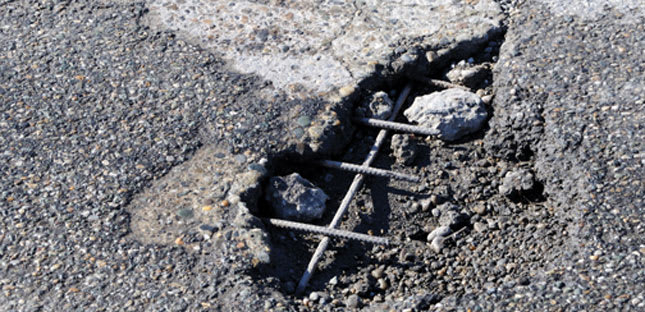
The bill is much shorter than the traditional six-year transportation law, and it does not provide funding at levels that transportation experts say is needed, but it does contain important reforms in the federal program.
In an unusual display of bipartisanship, the Senate passed a two-year, $109 billion highway bill by a vote of 74 to 22.
All of the Senate's Democrats and half of its Republicans voted for the bill.
The bill is much shorter than the traditional six-year transportation law, and it does not provide funding at levels that transportation experts say is needed, but it does contain important reforms in the federal program.
It also sets a mark for the House, which has been floundering in its effort to put together a five-year, $260 billion package.
The House is slated to resume work on transportation next week. Speaker John Boehner, R-Ohio, said the House would continue to discuss its bill while the Senate deliberated, but in the absence of agreement he will bring up the Senate's bill, or something like it.
After yesterday's vote, Senate leaders urged the House to simply adopt their bill.
The vote by a bipartisan majority for bill that will create or save nearly 3 million jobs "is exactly how Congress should work," said Majority Leader Harry Reid, D-Nev.
"I urge my colleagues in the House to pass this bipartisan bill without delay. If there was ever a piece of legislation that should not turn into a partisan fight, this is it."
The House has little time. The highway program is authorized under a temporary extension until March 31. If the House and Senate cannot complete work by then, they will have to cobble another extension or risk throwing state highway construction plans into confusion.
The Senate's bill, called Moving Ahead for Progress in the 21st Century (MAP-21), would streamline the federal transportation program, accelerate project delivery, eliminate earmarks, increase financing resources and fund improvements in freight distribution.
It would maintain overall funding at current levels by supplementing the dwindling Highway Trust Fund with tax changes and cuts in other programs. Fuel taxes, which supply the Trust Fund with most of its revenue, would not increase.
Truck safety provisions include a mandate for electronic onboard recorders, a clearinghouse for drug and alcohol test results and a written proficiency exam for new entrants into trucking - all initiatives currently under way at the Federal Motor Carrier Safety Administration.
Another safety provision gives FMCSA authority to bar truck drivers who do not meet safety standards. Under the provision, the agency could write a rule that sets safety fitness requirements for drivers based on inspections, traffic offenses and crashes, and bar drivers who don't meet the requirements for up to a year.
The bill also would provide funding for truck parking facilities.
In deliberations over the past two days, the Senate added a number of amendments to the bill.
One would remove private highways from consideration when Congress apportions federal highway money to the states.
Another would allow farm vehicle drivers to drive within 150 miles of the farm or ranch without a commercial license.
A third grants an exemption from the hours of service rules for drivers hauling agricultural goods within 100 air-miles of the farm during planting and harvest seasons. The exemption also would apply to carriage of farm supplies from or between retail or wholesale distribution points and the farm.
An amendment that would have let states commercialize highway rest areas was defeated. Also defeated was an attempt to force President Obama to approve the Keystone Pipeline across the Canadian border.
Trucking interests were deeply concerned about an amendment that would have permitted more tolls on the federal-aid highway system, but at the last moment that issue was taken off the table.
Sen. Tom Carper, D-Del., had an amendment that would have eased restrictions on tolling, and Sen. Kay Bailey Hutchison, R-Texas, had a counter-amendment to preserve current practices. After discussions with Senate leaders they both agreed to withhold their proposals, instead asking that the issue be taken up in the next highway legislation.
"We must address structural flaws in the Highway Trust Fund," Carper said. "I hope that my amendment represents the beginning of an honest and important conversation about our nation's long-term transportation needs and how we pay for them in a fiscally responsible way."
Hutchison also called for a debate. "Should states or any entity of government be able to toll any free lane of the federal highway system?" she asked.
"I believe that when President Eisenhower said we need a national highway system ... he never envisioned that a state would put up tolls across an entire federal highway and make the taxpayers who have paid for 50 years to build these highways pay again to use the highways they have built."
Hutchison also wants the debate to cover the question of allowing states to opt out of the federal highway funding system, except for maintenance.
"Texas is a fast-growing state and we need our highway dollars for our own priorities and I think that should be considered in the future," she said.
Reaction from the transportation community was positive.
The bill is an example of how things should work in Washington, said Bill Graves, president and CEO of American Trucking Associations.
"This bill advances the cause of highway safety and takes a number of important steps toward reforming our transportation system, two accomplishments that the committee chairmen and ranking members - Senators Barbara Boxer, D-Calif., James Inhofe, R. Okla., Max Baucus, D-Mont., Orrin Hatch, R-Utah, Jay Rockefeller, D-W.Va., and Kay Hutchison - are to be commended for," Graves said in a statement .
Todd Spencer, executive vice president of the Owner-Operator Independent Drivers Association, said that while the bill is not perfect, it "represents an important step forward in reforming our surface transportation programs back to where they belong, which is to focus on maintaining and improving our roads and bridges."
One of the less-than-perfect provisions, from OOIDA's perspective, is the EOBR mandate, he said. But he applauded a provision that calls for a study of heavy-duty truck cab crashworthiness standards.
John Horsley, executive director of the American Association of State Highway and Transportation Officials, lauded the passage of the bill.
"The (Senate's) bipartisan approach helped set a path forward for this bill that not only provides a greater degree of funding certainty for states, it also establishes reforms that will streamline project delivery; consolidate programs; and improve performance reporting and accountability,"
he said in a statement.
More Drivers
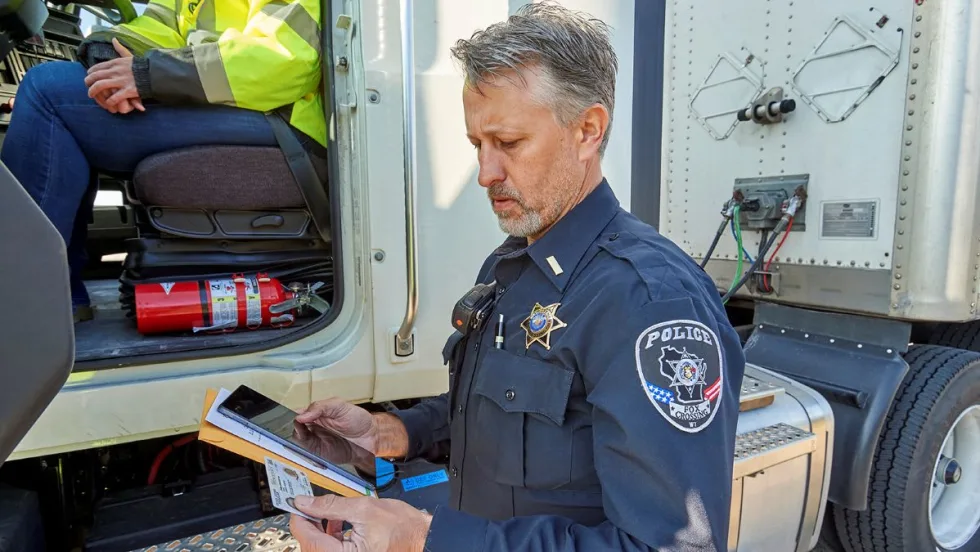
When Language Stops the Truck: The Return of ELP Out-of-Service Orders
English language proficiency rules for commercial drivers aren’t new, but renewed out-of-service enforcement has raised the stakes. Here’s what carriers need to know before a driver reaches a roadside inspection.
Read More →
Samsara Launches Custom AI Agent Builder
Agent Studio lets fleets create AI tools for hours-of-service monitoring, reporting and driver support, including agents that communicate by phone.
Read More →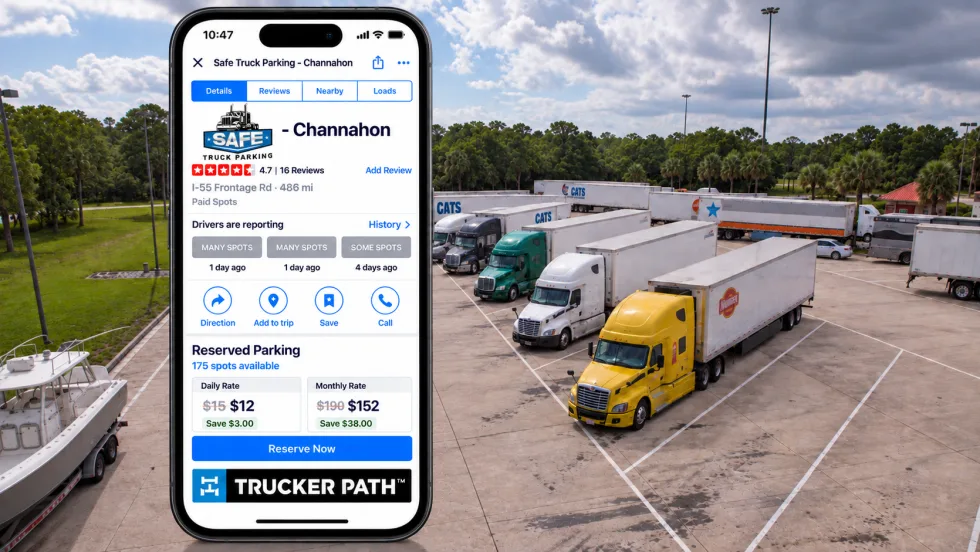
Trucker Path Expands Reserved Parking Network
Trucker Path has added close to 6,000 more truck parking spaces to its Trucker Path Reserved Parking Network with the addition of Safe Truck Parking.
Read More →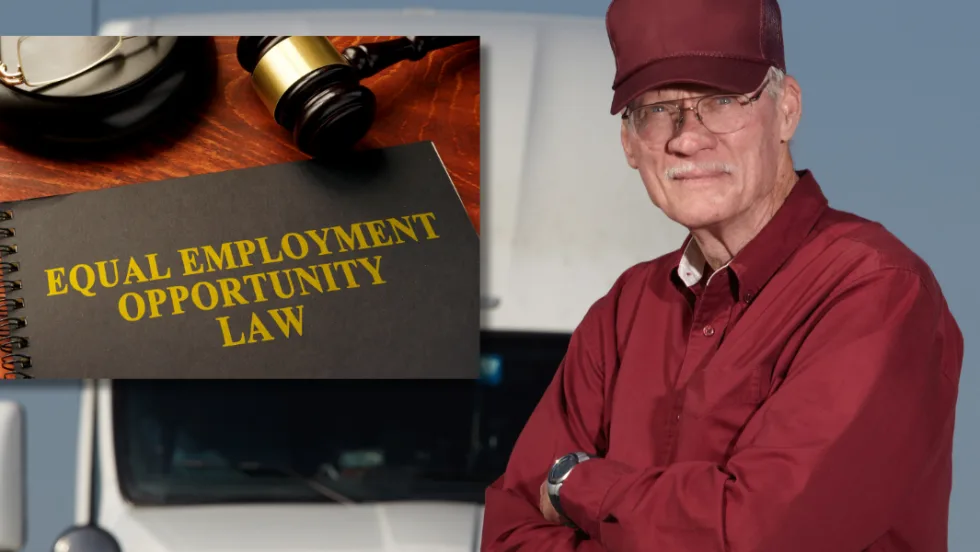
EEOC Sues Texas Trucking Company Over Driver Age Limits
The agency says Trancasa USA rejected applicants over 65 and applied tougher driving-record standards to those over 60.
Read More →
Nussbaum, Roehl Announce Second Driver Pay Increase This Year
This year has seen a swath of major truck driver pay increases as freight capacity has tightened.
Read More →
From One Generation to the Next: How Mentorship Builds Safer Truck Drivers
After three decades in trucking, Harold Perry shares what he's learned about driver safety, mentorship, and helping the next generation build confidence behind the wheel.
Read More →
Truck Drivers Need More Than Another Alert
Fleets have more visibility into truck health, safety events, and driver activity than ever. The next challenge is turning all that information into useful guidance for the person who has to decide what to do next.
Read More →
FMCSA Removes 110 Truck Driver Training Schools from Certified ELDT List
Federal regulators also are targeting more than 160 additional training providers and launching a nationwide audit of third-party CDL skills testers as part of a broader crackdown on trucking fraud.
Read More →
Hours of Service Pilot Programs: FMCSA Readies for 2027 Rollout
Two pilot programs could eventually reshape hours-of-service rules, giving truck drivers options to pause their 14-hour clock or use longer split sleeper rest periods.
Read More →
Medical Cards, English Proficiency Reshape Roadcheck Violations
Medical-card violations jumped to the top of the driver out-of-service list during CVSA’s 2026 International Roadcheck, while English-language proficiency violations appeared among the leading violations for the first time.
Read More →