




Secretary LaHood Announces Success of Driver Pre-Employment Screening Program
Commercial carriers and truck drivers conducted 380,000 pre-employment driver safety record searches during the first year of the DOT's new Pre-Employment Screening Program
Commercial carriers and truck drivers conducted 380,000 pre-employment driver safety record searches during the first year of the DOT's new Pre-Employment Screening Program.
"Our pre-employment screening program is helping us put safe drivers behind the wheel of large trucks and buses," said U.S. Transportation Secretary Ray LaHood. "PSP will help make our roads safer for everyone."
FMCSA launched PSP in May 2010 to provide access to drivers' inspection and crash records as part of the hiring process.
During its first year, 353,929 users visited the PSP website at www.psp.fmcsa.gov and PSP customer service responded to over 19,000 calls. FMCSA staff traveled to conferences and association meetings across the country to demonstrate the program's benefits. In recognition of PSP's outstanding customer service and stakeholder outreach, the program was selected as a 2011 Government Customer Support Excellence Awards finalist.
"These results show that carriers welcome PSP as an essential tool for making informed hiring decisions that lead to safer drivers on our roads," said FMCSA Administrator Anne S. Ferro. "We know that the majority of our nation's carriers and drivers strive to operate as safely as possible. PSP makes their jobs a lot easier."
PSP provides access for up to five years of driver crash data and three years of inspection data, which includes serious safety violations in the areas of unsafe driving, hours-of-service, controlled substances and alcohol, and valid medical qualifications. It also gives users access to co-driver safety records, post-crash violations and the dates that drivers' records are updated.
The PSP data is updated monthly by FMCSA's Motor Carrier Management Information System. The MCMIS is comprised of driver performance data including inspection and compliance review results, enforcement data, state-reported crashes, and motor carrier census data.
More Safety & Compliance
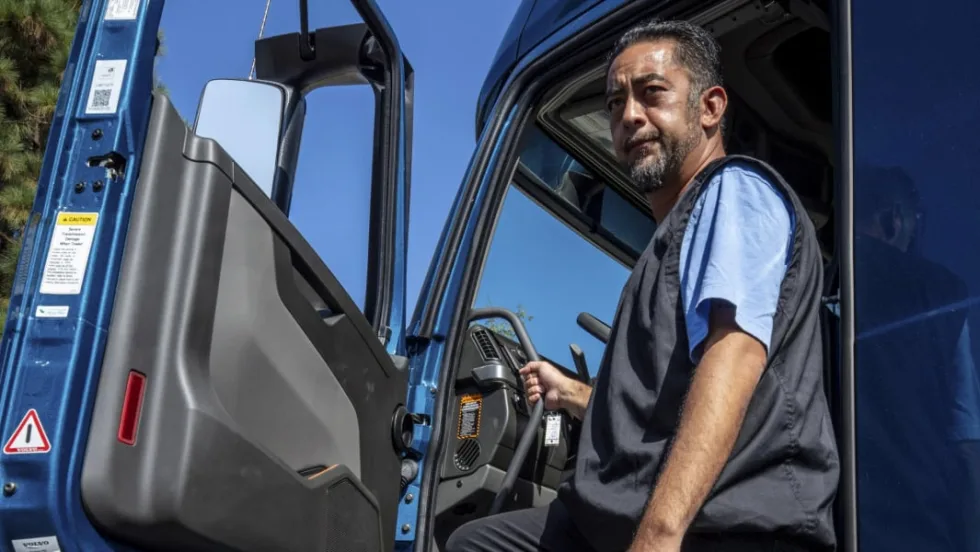
A Camera Isn't a Safety Program. Here's What Brokers Are Screening for Now
Footage alone may not be enough to pass broker vetting processes. Here's what counts as a defensible safety program now.
Read More →
Marijuana and Trucking’s Drug-Testing Dilemma
Marijuana is getting stronger, laws are changing, and drug tests still can’t reliably establish impairment. What does that mean for truck drivers and the fleets that employ them?
Read More →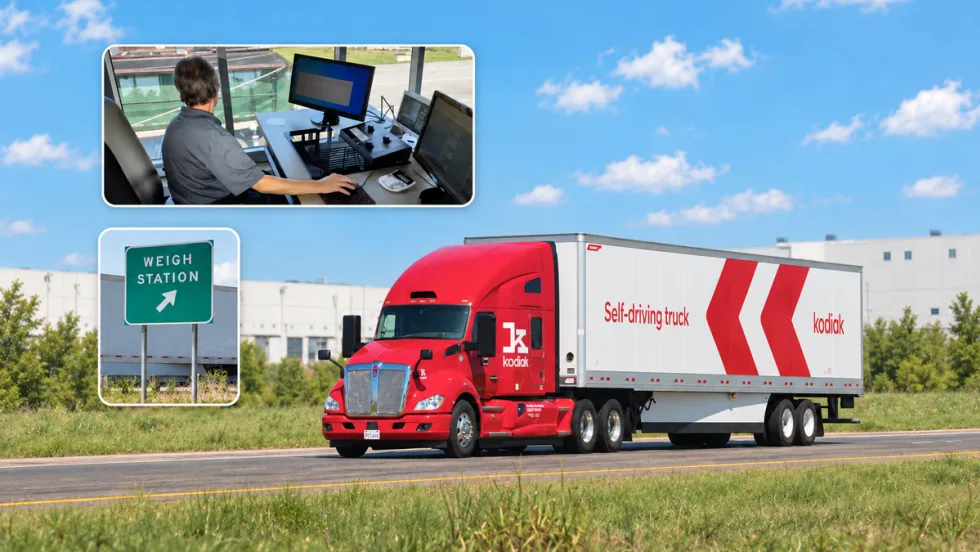
PrePass, Kodiak Connect Driverless Trucks to Roadside Enforcement
The system will allow enforcement agencies to verify Enhanced Inspection information and decide whether Kodiak’s autonomous trucks can bypass roadside screening sites.
Read More →

From One Generation to the Next: How Mentorship Builds Safer Truck Drivers
After three decades in trucking, Harold Perry shares what he's learned about driver safety, mentorship, and helping the next generation build confidence behind the wheel.
Read More →
FMCSA Pauses Biennial-Update Enforcement Amid Motus Transition
Carriers whose updates were due on or after June 1 have more time, while FMCSA works to stabilize its new registration system and warns of phishing sites impersonating its new carrier registration system, Motus.
Read More →
ZF Expands Commercial Vehicle Push in North America
ZF is expanding its North American commercial-vehicle presence with new transmission applications, electrification, trailer technology and autonomous-driving systems.
Read More →
Truck Drivers Need More Than Another Alert
Fleets have more visibility into truck health, safety events, and driver activity than ever. The next challenge is turning all that information into useful guidance for the person who has to decide what to do next.
Read More →
Tesla Wants a Self-Driving Semi. Are Cameras Enough?
Could Tesla’s camera-only autonomous driving technology work on an 80,000-pound Semi? In this commentary, HDT's Deborah Lockridge takes a look at Tesla, Cybercab, and how autonomous trucks see the road.
Read More →
What DOT’s Automated Vehicle Strategy Means for Trucking
The U.S. Department of Transportation issued a new automated-vehicle strategy that outlines plans for driverless-truck regulations, cross-state freight corridors, and federal safety standards.
Read More →
NYC Expands Speed, Pedestrian Safety Tech Across Fleet
New York City is expanding intelligent speed assistance and pedestrian-alert systems across its municipal fleet, moving the technologies from pilot programs into vehicle procurement and retrofit requirements.
Read More →