




New Oil Standard Won't Have Adhesive Wear Test
A proposed test for adhesive wear, or scuffing, will not be a part of the upcoming new API oil standard, currently known as PC-11, and the new category is running behind schedule for implementation.

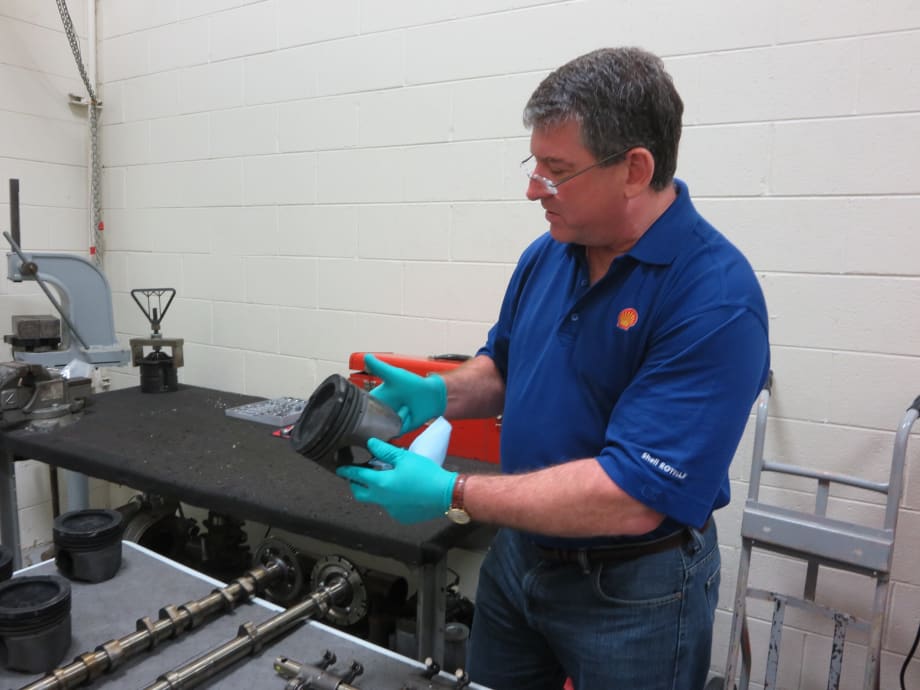
Shell's Dan Arcy explains how oils protect against scuffing or adhesive wear in the cylinders and liners in an earlier engine teardown. (Photo: Deborah Lockridge)

A proposed test for adhesive wear, or scuffing, will not be a part of the upcoming new API oil standard, currently known as PC-11, and the new category is running behind schedule for implementation, according to an update last week from Dan Arcy, global OEM technical manager for Shell Lubricants. Arcy heads up one of the committees developing the new oil category.
The new API (American Petroleum Institute) category, being called PC-11 during the development process, will be the standard for a new generation of low-viscosity engine oils, which on-highway engine manufacturers will use as part of their EPA 2017 GHG reduction strategies.
In order to be ready to meet the 2017 model year requirements, the new API category originally was planned for January 2016, but it is now looking like it won't be ready until late 2016 or even January 2017, Arcy said. It has taken longer than expected to develop and validate the tests to be used in certification of oils in the new category.
While the new oil category will offer improvements in areas such as oxidation stability, aeration performance, scuffing/adhesive wear and shear stability, one of the biggest changes is the viscosity change.
One of the unique things about this category is there will actually be two different sub-categories. In addition to the new low-viscosity oil for GHG/fuel economy, there will also be a sub-category that's backwards-compatible with older engines.
For the new oil category, it's not just a matter of using a lower-viscosity oil, but also one that will maintain its viscosity under high-temperature/high-shear, or HTHS, conditions.
Lower viscosities may save fuel, but they raise concerns about the ability to protect the engine. That's why the category will require oils to pass some 20 engine and bench tests. Some tests are carryover tests from the previous category. Others carry over but with stricter limits, and two are brand-new.
One of those is the Mack T-13 oxidation test. Oxidation is the chemical reaction that takes place when something is exposed to oxygen. It is accelerated by high temperatures, and the new engines are going to run about 10 degrees hotter. In fact, Arcy says, for every 10 degrees increase in temperature, you double the oxidation. Oxidation can lead to an increase in the oil's viscosity, the formation of acidic compounds that could lead to corrosion, and deposits of varnish and sludge.
"The oxidation test is really going to be the defining test for the category," says Shell's Arcy. The new Mack T-13 test operates at 130 degrees C and at max power and torque. "This test is designed to destroy oils," he says.
Another test that will probably be included is a Caterpillar test for aeration. The churning and splashing of oil in the engine can cause air to become entrained in the oil. Air is not a good lubricant, so the new test will measure the oil's ability to release that air.
One test that was considered but was deemed not ready for the new category was a scuffing test being developed by Detroit, which measures for adhesive wear (the kind that happens when two metal surfaces actually make contact.) Currently, oils are only subject to abrasive wear tests, the type you would get from particles in the oil.
Each of the improvements originally asked for by engine makers had a task force assigned to it, Arcy explained. The task force for the adhesive wear test decided the test wasn't ready – results that were coming from the test were not consistent enough across different labs.
While the new category won't have a test to measure for this, it's possible some equipment manufacturers will include such a test for their specific engines.
The new category does not actually have any test to measure improved fuel economy.
Read more about the new low-viscosity oils in the upcoming July issue of HDT.
More Fuel Smarts
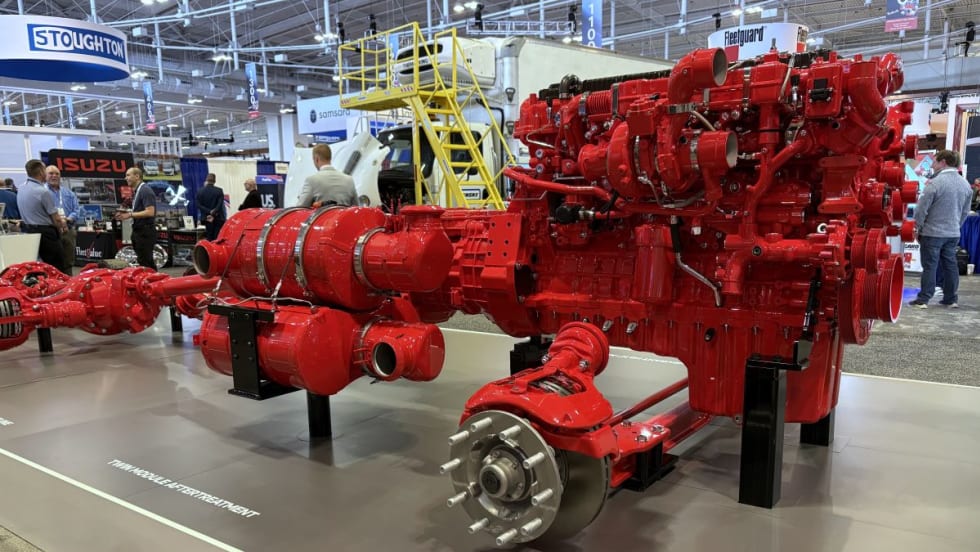
Cummins Adjusts 2027 Engine Rollout After EPA Proposal
The engine maker will gradually introduce its new Model Year 2027 diesel engines while continuing to offer current models during the transition, citing the EPA's proposed emissions rule changes.
Read More →
EPA Proposal Could Ease 2027 Truck Costs and Buying Uncertainty
The proposal doesn't change the tougher NOx standard, but it would revise key implementation requirements that manufacturers say have driven up costs and complicated fleet purchasing decisions.
Read More →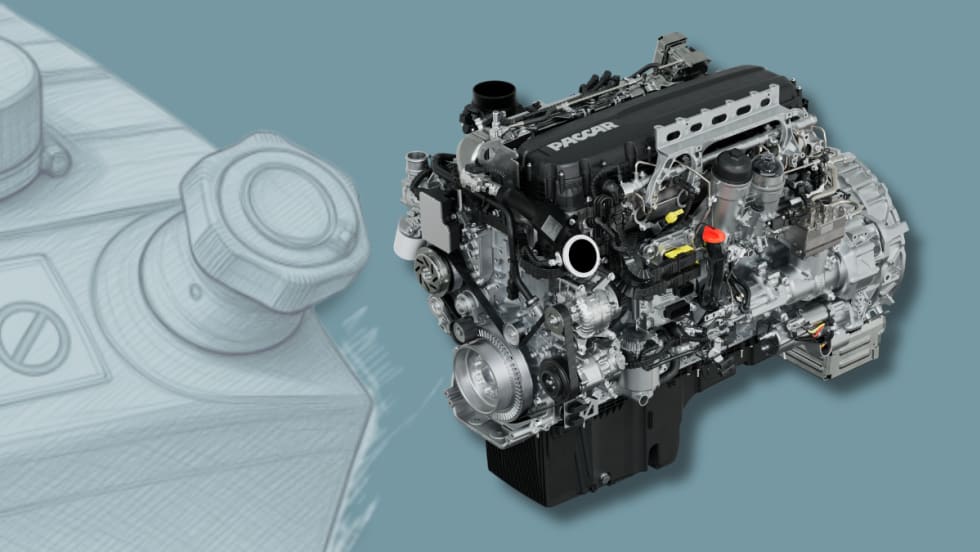
Cummins, Paccar Ease DEF Derates After EPA Guidance
Updated diesel engine software gives truck operators more time to address emissions-system issues while staying compliant with EPA emissions standards.
Read More →
Maintenance in the Messy Middle Part 3: Biodiesel
Biodiesel can reduce emissions, improve fuel-system lubricity and use existing diesel infrastructure. But NACFE’s Messy Middle maintenance report says fleets must actively manage storage, cold-weather operation, filters and oil drain intervals to avoid problems.
Read More →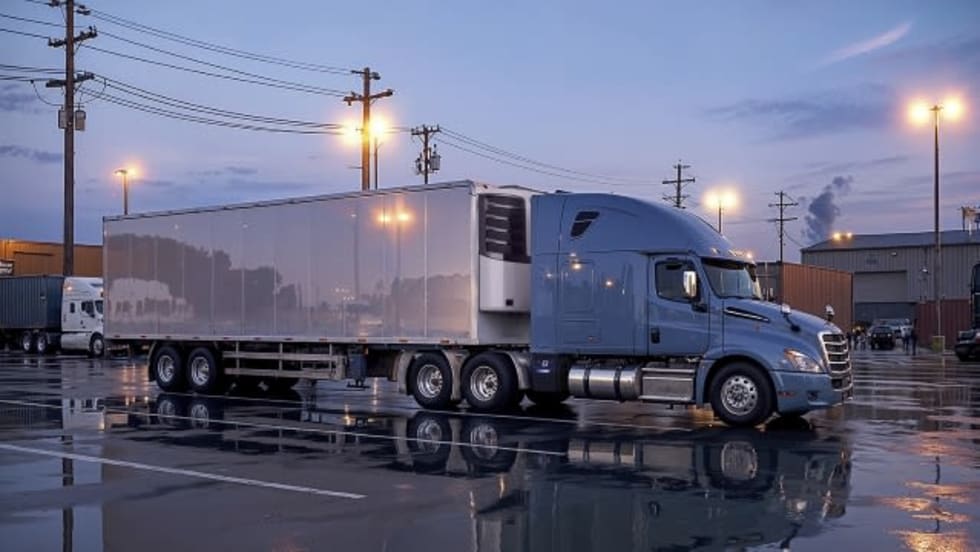
Enhance Fleet Performance with High-Efficiency Auxiliary Power Units
Drive sustainable cost savings while increasing driver comfort during short- and long-haul logistics operations.
Read More →
Maintenance in the ‘Messy Middle’ Part 2: Renewable Diesel Fuel
NACFE's latest Messy Middle Powertrain Service & Maintenance report says renewable diesel gives fleets an opportunity to reduce carbon emissions without changing trucks, fueling infrastructure or maintenance practices. But technicians still need to understand several important operational differences.
Read More →
The Diesel Engine Enters NACFE’s ‘Messy Middle’
NACFE’s new Messy Middle Powertrain Service & Maintenance report says keeping modern diesel engines running now depends as much on software, diagnostics and data as traditional mechanical service.
Read More →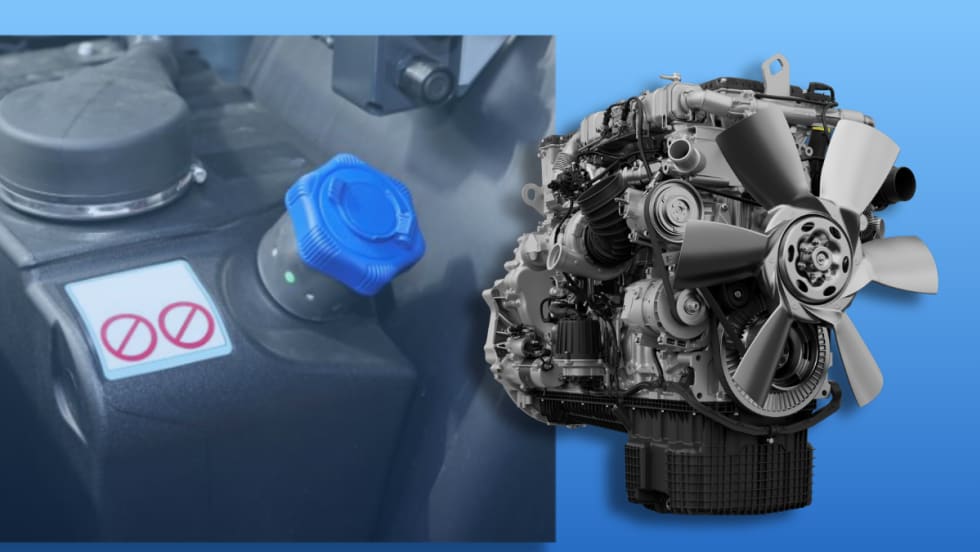
DTNA Software Update Gives Truckers More Time Before DEF Derates Take Effect
The changes reflect EPA guidance aimed at reducing downtime caused by emissions-system faults while maintaining compliance requirements.
Read More →
New Agentic Predictive Maintenance Report Demonstrates How Degraded Aftertreatment Systems Waste Fuel
Questar analyzed a large mixed-class fleet and discovered it was wasting as much as $30 in fuel per vehicle, per day, because of mechanically degraded aftertreatment systems.
Read More →
New York City's Microhub Project is Delivering Results
Trucking, last-mile delivery companies, and environmental advocates like what they are seeing so far with New York's microhub program.
Read More →