




San Francisco Toll Hike Waiver Nears End
The San Francisco Bay Area Tolls Authority's one year toll increase exemption for vehicles of combinations with two or more axels will end on July 1, 2011
The San Francisco Bay Area Tolls Authority's one year toll increase exemption for vehicles of combinations with two or more axels will end on July 1, 2011.
The first step in the two-phase toll increase for multi-axle vehicles takes effect July 1 and will remain in place through June 30, 2012. During this period, the toll for three-axle vehicles or combinations on the region's seven state-owned toll bridges will increase to $10.50 from the current $6. Tolls for four-axle vehicles will rise to $14 from the current $8.25; tolls for five-axle vehicles will climb to $18 from the current $11.25; tolls for six-axle rigs will go to $21 from the current $12 and tolls for vehicles with seven or more axles will increase to $24.25 from the current $13.50.
On the Golden Gate Bridge, toll rates for customers who pay cash will be set at $13 for three axles; $18 for four axles; $22 for five axles; $27 for six-axles; and $31 for vehicles with seven or more axles. Discounted tolls for customers who pay their tolls with FasTrak will be set at $11.25 for three axles; $15 for four axles; $18.75 for five axles; $22.50 for six axles; and $26.25 for vehicles with seven or more axles.
Beginning in July 2012, tolls for vehicles or combinations with three or more axles on the seven state-owned toll bridges will be fully indexed at $5 times the number of axles, or $15 for three-axle vehicles; $20 for four axles; $25 for five axles; $30 for six axles; and $35 for rigs with seven or more axles. The fully indexed toll rate on the Golden Gate Bridge will be $6 times the number of axles, with a $5-per-axle rate for FasTrak customers.
BATA approved the two-step increase in tolls for multi-axle vehicles on the state-owned bridges in January 2010 as part of a comprehensive toll increase package to finance seismic retrofits of the Antioch and Dumbarton bridges. The tolls will help offset the increased cost of debt financing resulting from financial market turmoil that began in 2007, and counter revenue losses caused by a decline in toll-paying traffic on the bridges since fiscal year 2003-04.
While the toll hike went into effect in July 2010 for most vehicles, the increase for multi-axle vehicles was delayed for one year to allow commercial trucking firms to incorporate the higher tolls into new contracts with shippers. These contracts typically carry 18- to 24-month terms. California state law requires that tolls on state-owned toll bridges be based on the number of axles on a vehicle or the total number of axles on a vehicle plus the total number of axles on a drawn trailer or vehicle.
More Drivers
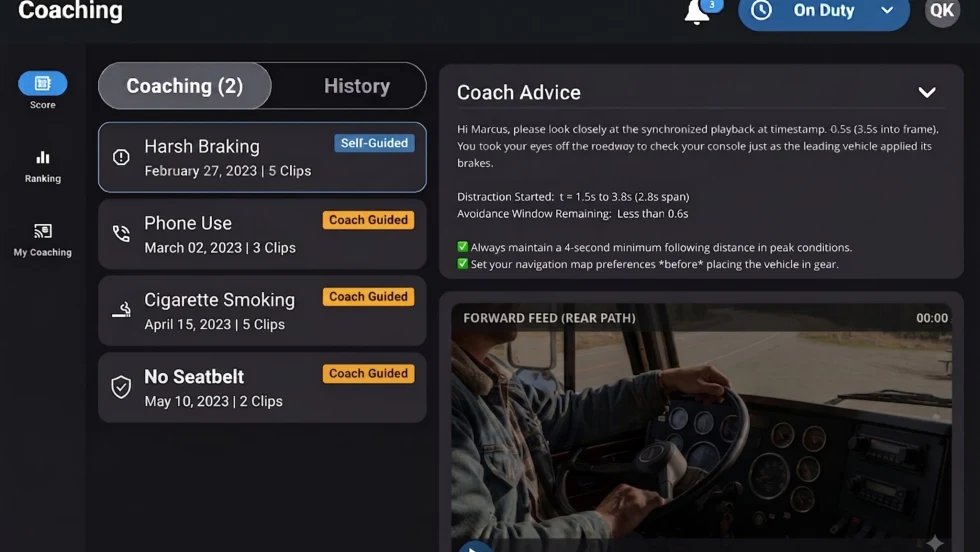
Platform Science Adds Dispatch and Safety Tools
Four additions to PS Fleet help fleets monitor loads, manage driver coaching, share truck locations and adjust video system settings.
Read More →
When Language Stops the Truck: The Return of ELP Out-of-Service Orders
English language proficiency rules for commercial drivers aren’t new, but renewed out-of-service enforcement has raised the stakes. Here’s what carriers need to know before a driver reaches a roadside inspection.
Read More →
Samsara Launches Custom AI Agent Builder
Agent Studio lets fleets create AI tools for hours-of-service monitoring, reporting and driver support, including agents that communicate by phone.
Read More →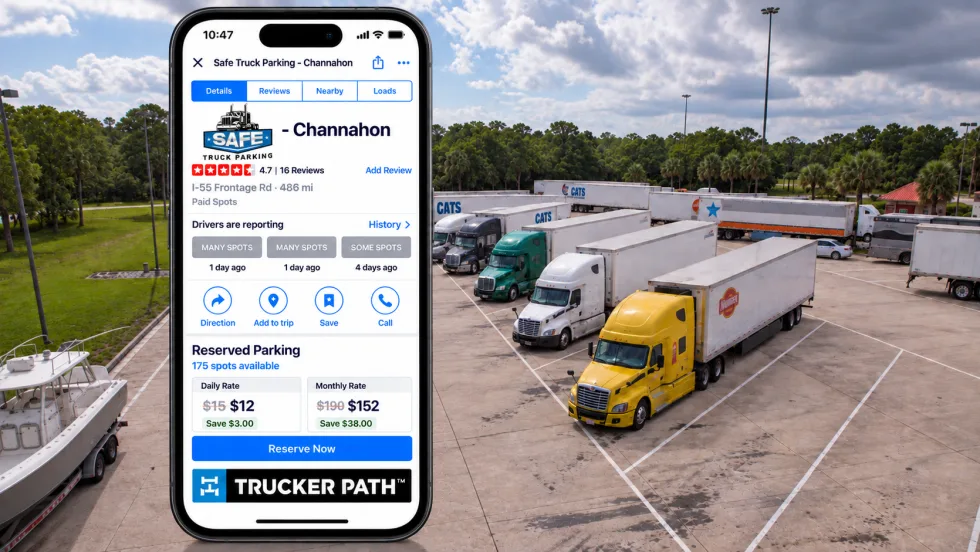
Trucker Path Expands Reserved Parking Network
Trucker Path has added close to 6,000 more truck parking spaces to its Trucker Path Reserved Parking Network with the addition of Safe Truck Parking.
Read More →
EEOC Sues Texas Trucking Company Over Driver Age Limits
The agency says Trancasa USA rejected applicants over 65 and applied tougher driving-record standards to those over 60.
Read More →
Nussbaum, Roehl Announce Second Driver Pay Increase This Year
This year has seen a swath of major truck driver pay increases as freight capacity has tightened.
Read More →
From One Generation to the Next: How Mentorship Builds Safer Truck Drivers
After three decades in trucking, Harold Perry shares what he's learned about driver safety, mentorship, and helping the next generation build confidence behind the wheel.
Read More →
Truck Drivers Need More Than Another Alert
Fleets have more visibility into truck health, safety events, and driver activity than ever. The next challenge is turning all that information into useful guidance for the person who has to decide what to do next.
Read More →
FMCSA Removes 110 Truck Driver Training Schools from Certified ELDT List
Federal regulators also are targeting more than 160 additional training providers and launching a nationwide audit of third-party CDL skills testers as part of a broader crackdown on trucking fraud.
Read More →
Hours of Service Pilot Programs: FMCSA Readies for 2027 Rollout
Two pilot programs could eventually reshape hours-of-service rules, giving truck drivers options to pause their 14-hour clock or use longer split sleeper rest periods.
Read More →