




Editor's Note: Tom Hawks, a driver for Overnite Transportation and the American Trucking Associations' Truck Driver of the Year, wrote the following for The Commercial Appeal in Memphis in response to a rash of accidents involving big trucks in Tennessee.
What would it be like if trucks stopped rolling for just one week?
Supermarkets would not have their shelves stocked. Medicine for the sick, clothes for the family, gas for your car, parts for manufacturing -- all would be in short supply. Prices would skyrocket. Our economy is robust and growing, putting large demands on truckers to make deliveries. It takes a special individual to drive long hours on the nation's highways to bring the products you need daily. As a professional truck driver, I know what it takes to do the job safely.
I also know that some truckers do not care enough to do the job right. A rash of incidents of carelessness has embarrassed the trucking industry, and killed and injured people.
Our industry does not condone such behavior. Trucking companies and the federal government have programs in place to eliminate bad drivers. The Commercial Driver's License program requires truckers to pass stringent written tests and physical exams every two years, and to know how to react in emergencies. Drivers are subject to random drug tests; a trucker who is found to be under the influence faces harsh punishment.
We have to keep our trucks mechanically fit. We are subject to inspection at highway weigh stations. We must keep a logbook of our daily activities on the job, to show that we do not speed and that we get enough rest. If you do wrong long enough, sooner or later it will catch up with you.
The highway is my workplace. I want it to be as safe as possible, so I can make it to my destination and back. I have a family, too. I don't want to hurt anyone. Each year, I go into high schools in Memphis to teach kids getting their first driver's license how to share the roads safely with big trucks. I set up situation in which kids get in my truck and look for a car I have put in my blind spot. This allows the kids to see the world as I see it.
But there are some points that all motorists -- not just young ones -- need to understand about big trucks:
· If you can't see me in my mirror, I can't see you, either. If you are in such a blind spot, move out of it. If something goes wrong, I need more than one way out to avoid an accident; do not block my ways out. Pass if you must, but wait until it is safe to do so, do it quickly, and move on.
· Highway Construction Zones are dangerous and require special attention. People are working. The roadway is narrow and barrels and cones are strewn about, making navigation tedious. Many people get careless and accidents happen. Slow down and observe posted speed limits and other cautions in construction zones. Put on your four-way flashers if you can. Keep an eye out for problems and be prepared to stop.
· Motorists often misunderstand the stopping distances a truck needs. We carry loads of as much as 80,000 pounds. If I am driving 55 mph and someone cuts me off and causes me to hit the brakes, I will need the length of A FOOTBALL FIELD to stop! And if it is raining or snowing, or any other condition that makes traction less than perfect, throw away the book!
· Professional truckers keep a 4 second interval of distance from other vehicles. You need to watch out for the ones who don't!
· I shake my head in disbelief each year when I see cars and trucks speeding through school zones. It is truly a wonder that more children are not killed. Observe the flashing signs, slow down, and expect the unexpected.
· I constantly see families on Interstate highways with back seats full of kids, none of them wearing seatbelts. They're asking for trouble. If a car is going 30 mph and his something stationary, an 8-pound baby lying unrestrained in the front seat will hit the dashboard with the force of 600 pounds of pressure! In a wreck at 70 mph, a 75-pound kid, unbuckled in the back seat, becomes a missile.
· Flat tires or breakdowns are the only reasons you should ever park on the shoulder or in an emergency lane. I pull two trailers. The back trailer has a sway in its movements of about 1-1/2 feet to each side, making the total swing about 3 feet. If I am passing you on the shoulder, and I hit wind turbulence or a rut in the road that makes the rear trailer sway to the side, you are in trouble if you are parked too close to the main travel lanes. If you have kids who are out of the car, they have a tendency to dart into traffic without warning. If I am traveling at a high rate of speed, that makes things very dangerous.
· Don't cut off trucks in traffic. Drive DEFENSIVELY, not OFFENSIVELY. What we now call "Road Rage" is simply IMPATIENCE! Don't carry your problems to the vehicle and act them out.
Last week, a man passed me at about 80 mph. He was reading a newspaper stretched over the steering wheel; he had his dome light on. I see drivers talking on the phone, drinking and eating, paying more attention to what the kids are doing in the back seat, even putting their clothes on. These are accidents waiting to happen.
Driving is not easy today. The temptation is great to cut corners to save a few minutes. But breaking into a line of traffic, or driving to the end of a lane that is about to close, will only make things worse. And what if you get hurt in a collision, or hurt someone else? You will only lose a few seconds if you merge when signs tell you to do so. I have been driving for more than 25 years and I never stop learning. It is up to each of us to do what is right behind the wheel of any vehicle.
Truckers are responsible for our actions as well. We must leave on time to arrive on time. We can't speed to make up time. All of us must share the roads safely. The most important mile you ever drive is the one in front of you!
Safety: A Driver's Advice
Editor's Note: Tom Hawks, a driver for Overnite Transportation and the American Trucking Associations' Truck Driver of the Year, wrote the following for The Commercial Appeal in Memphis in response to a rash of accidents involving
More Safety & Compliance

FMCSA Revamps DataQs to Improve Fairness, Speed of Reviews
New requirements add firm deadlines and independent review steps, addressing long-standing complaints about inconsistent rulings and slow response times.
Read More →
FMCSA Extends Paper Medical Card Exemption … Again
Five states still aren't ready to accept commercial driver medical exam information directly from the medical examiner's registry.
Read More →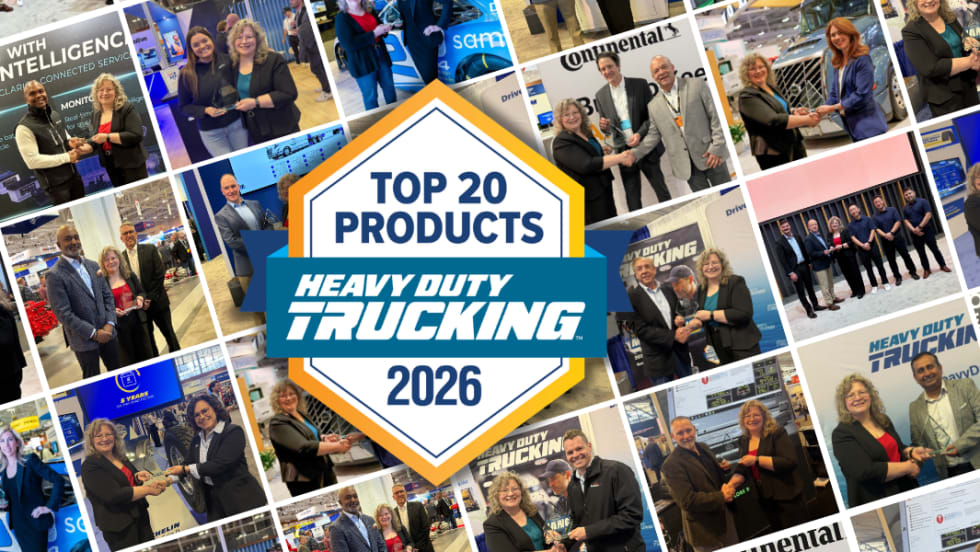
HDT Honors the Best New Products of 2025 at TMC [Photos]
Heavy Duty Trucking's Top 20 Products awards recognize the best new products and technologies. Check out the award presentations at the 2026 Technology & Maintenance Council annual meeting.
Read More →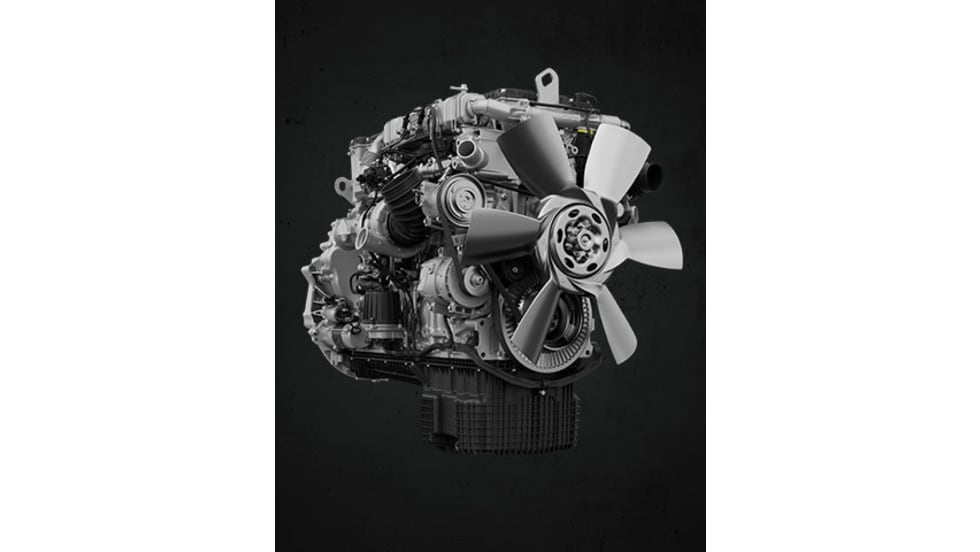
Detroit Engines: Trusted Performance, Built for What's Next
The Detroit® Gen 6 engine platform proves that real progress doesn’t require a complete redesign. Built on 20 years of trusted technology, these engines are designed for efficiency, stronger performance, and greater reliability than before. And they do it all while complying with 2027 EPA standards on every mile.
Read More →
Aperia Expands Halo Platform with Steer-Tire Inflation System, Fifth-Wheel Integration
Aperia Technologies introduced a new automatic tire inflation system for steer axles and a partnership with Fontaine Fifth Wheel to integrate coupling status into its Halo Connect platform.
Read More →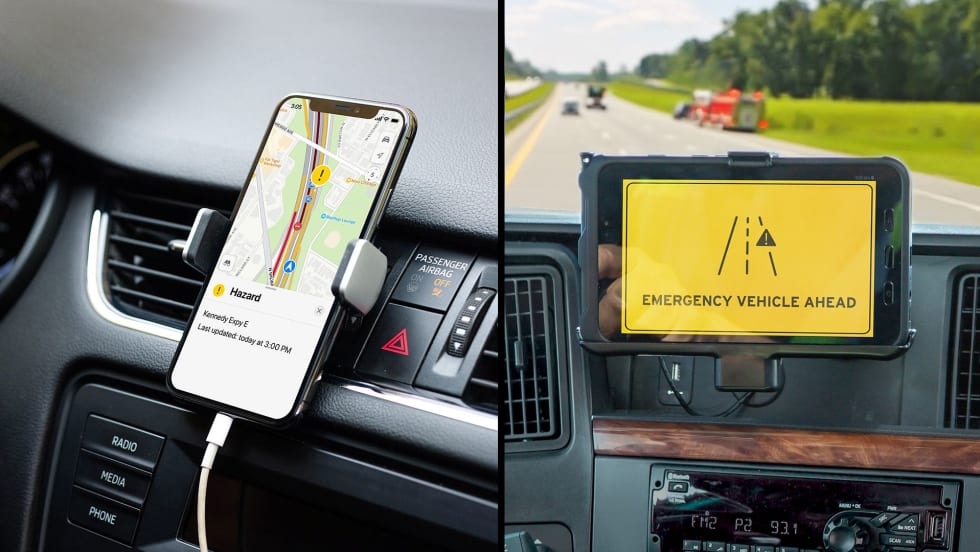
Fleetworthy and HAAS Alert Expand Partnership Stopped Truck Protection Alerts
Fleetworthy and HAAS Alert expanded their partnership to deliver real-time digital alerts that warn motorists when commercial trucks are stopped roadside and notify truck drivers when approaching emergency responders.
Read More →
New Entrants, Chameleon Carriers, and Safety: Is It Too Easy to Start a Trucking Company?
More than 100,000 new trucking companies enter the industry each year, but regulators manage to audit only a fraction of them. That churn creates opportunities for inexperienced startups — and for “chameleon carriers” that shut down after safety violations and reappear under new identities. Read more from Deborah Lockridge in this commentary.
Read More →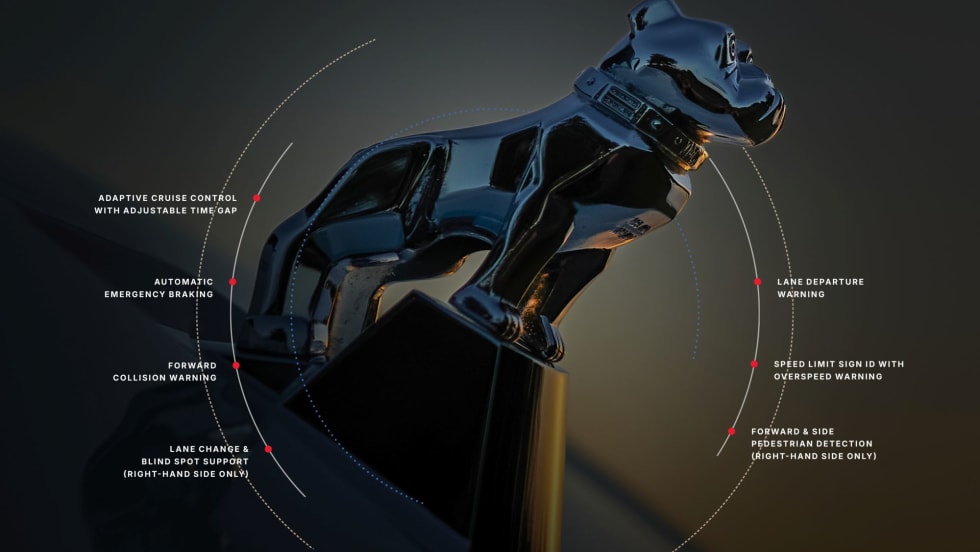
Mack Introduces Mack Protect Collision Mitigation System for MD Series
Mack Trucks has expanded its proprietary Mack Protect collision mitigation platform to the Mack MD Series, bringing heavy-duty safety technology to medium-duty trucks operating in urban and regional environments.
Read More →
Bison Transport, Mill Creek Motor Freight Win TCA Fleet Safety Awards Grand Prize
Two Canadian fleets earned the Grand Prize in the Truckload Carriers Association’s 2025 Fleet Safety Awards, recognizing the industry’s top safety performance based on accident frequency and safety programs.
Read More →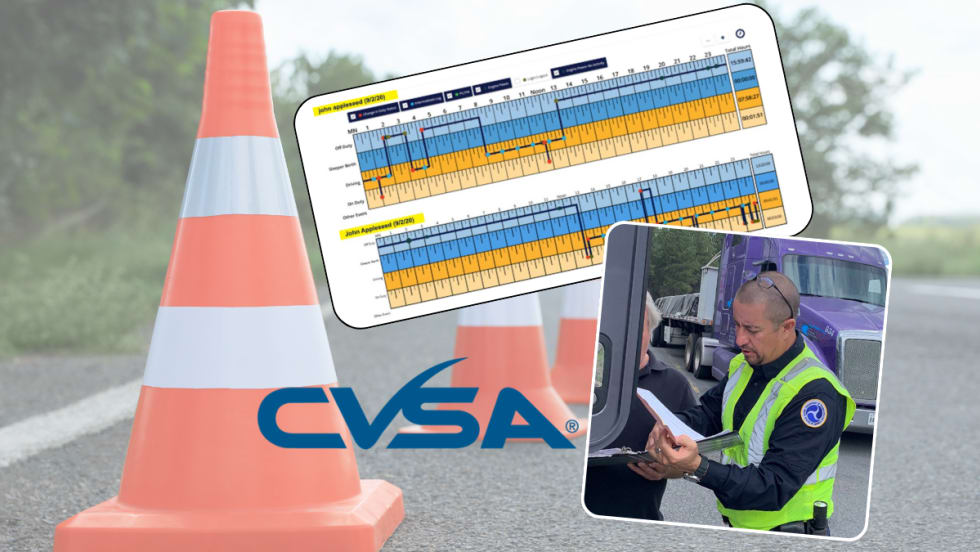
CVSA Issues New Inspection Guidance on ELD Tampering, False Logs
New guidance for commercial vehicle inspectors distinguishes between more traditional logbook violations and tampered ELD data that can result in mandatory 10-hour out-of-service orders.
Read More →