




Ryder’s Natural Gas Fleet Surpasses 20 Million Miles
Ryder System has achieved a significant milestone with its fleet of over 500 natural gas vehicles surpassing 20 million miles. The fleet consists of liquefied natural gas and compressed natural gas tractors serving over 40 customer operations in California, New York, Texas, Arizona, Michigan, Utah, Georgia, and Louisiana.
Ryder System has achieved a significant milestone with its fleet of over 500 natural gas vehicles surpassing 20 million miles. The fleet consists of liquefied natural gas and compressed natural gas tractors serving over 40 customer operations in California, New York, Texas, Arizona, Michigan, Utah, Georgia, and Louisiana.
Since deploying its natural gas vehicle program in 2011, Ryder has replaced approximately 3.1 million gallons of diesel fuel with domestically produced natural gas and reduced emissions by more than 559,000 MTCO2e (metric tons of carbon dioxide equivalent) emissions.
In addition to making natural gas vehicles available for rent or lease, Ryder’s “Flex-to-Green Lease” solution is designed to ease the transition to a greener fleet. Businesses that opt for Ryder’s Flex-to-Green Lease start out with a diesel-powered vehicle and then have the option to convert to a natural gas vehicle at any time following the first full year of the lease. Flex-to-Green customers enjoy all the maintenance and service benefits of a standard Ryder Full Service Lease, which includes substitute vehicles during unexpected downtime.
Ryder’s natural gas vehicle offering also includes a selection of light- and medium-duty compressed natural gas vehicles. The CNG trucks range in gross vehicle weight from 16,000 to 33,000 pounds and are ideal for metro/city delivery applications.
More Fuel Smarts
Maintenance in the Messy Middle Part 3: Biodiesel
Biodiesel can reduce emissions, improve fuel-system lubricity and use existing diesel infrastructure. But NACFE’s Messy Middle maintenance report says fleets must actively manage storage, cold-weather operation, filters and oil drain intervals to avoid problems.
Read More →
Enhance Fleet Performance with High-Efficiency Auxiliary Power Units
Drive sustainable cost savings while increasing driver comfort during short- and long-haul logistics operations.
Read More →
Maintenance in the ‘Messy Middle’ Part 2: Renewable Diesel Fuel
NACFE's latest Messy Middle Powertrain Service & Maintenance report says renewable diesel gives fleets an opportunity to reduce carbon emissions without changing trucks, fueling infrastructure or maintenance practices. But technicians still need to understand several important operational differences.
Read More →
The Diesel Engine Enters NACFE’s ‘Messy Middle’
NACFE’s new Messy Middle Powertrain Service & Maintenance report says keeping modern diesel engines running now depends as much on software, diagnostics and data as traditional mechanical service.
Read More →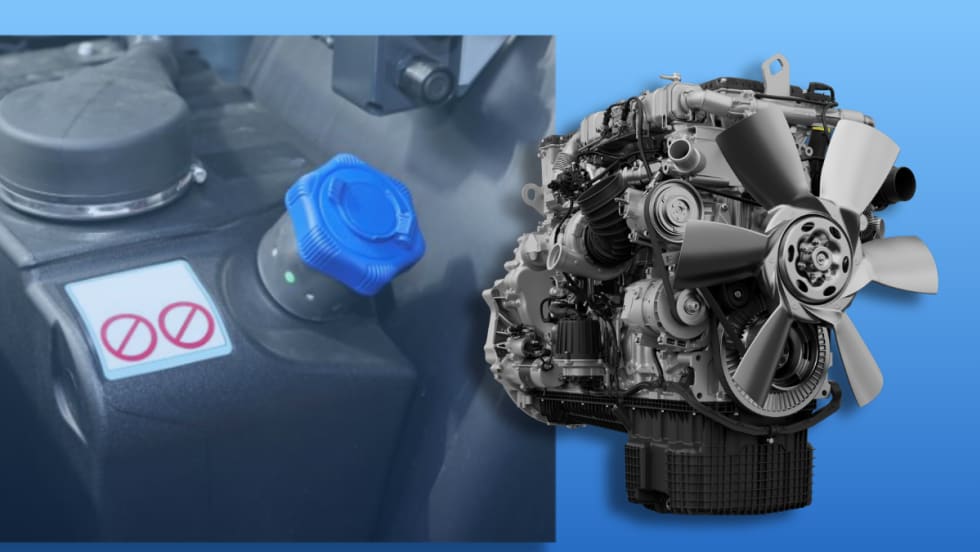
DTNA Software Update Gives Truckers More Time Before DEF Derates Take Effect
The changes reflect EPA guidance aimed at reducing downtime caused by emissions-system faults while maintaining compliance requirements.
Read More →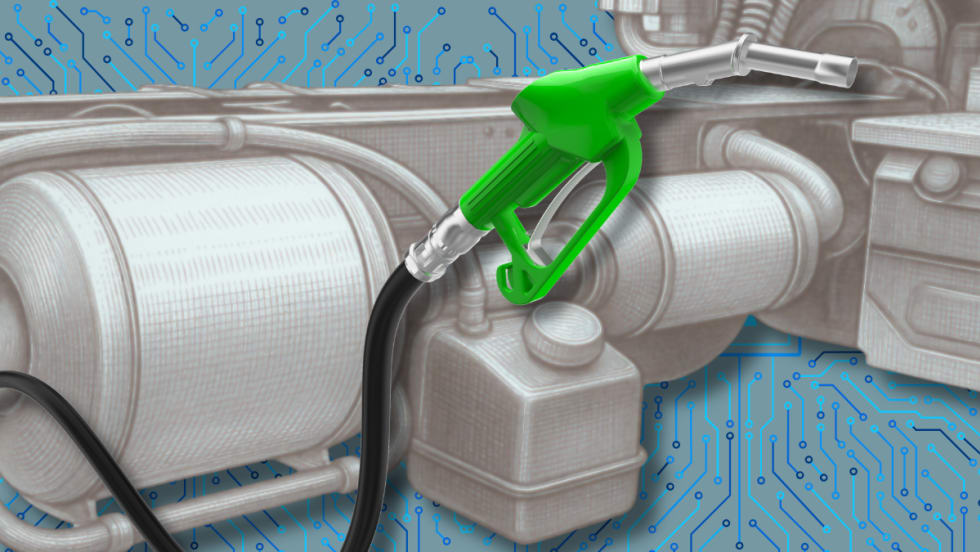
New Agentic Predictive Maintenance Report Demonstrates How Degraded Aftertreatment Systems Waste Fuel
Questar analyzed a large mixed-class fleet and discovered it was wasting as much as $30 in fuel per vehicle, per day, because of mechanically degraded aftertreatment systems.
Read More →
New York City's Microhub Project is Delivering Results
Trucking, last-mile delivery companies, and environmental advocates like what they are seeing so far with New York's microhub program.
Read More →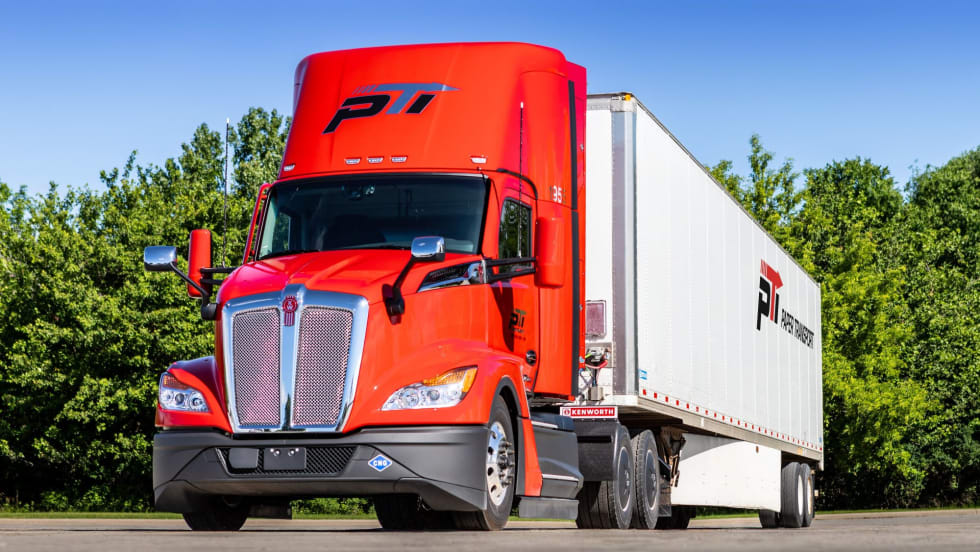
Lessons Learned About Alternative Fuels: Start Small, Stay Flexible
Practical advice on adopting alternative fuels and ZEVs from HDT's 2026 Top Green Fleets, from renewable diesel and natural gas to electric trucks.
Read More →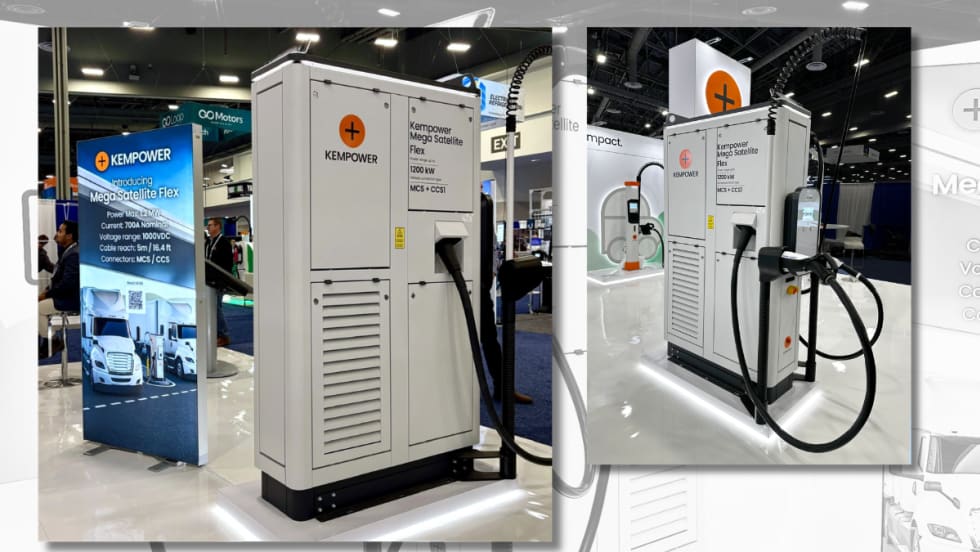
Kempower Adds Flex EV Charger to Help Support Transition to Megawatt Charging
The Kempower Mega Satellite Flex has both a CCS and MCS connector, allowing operators to serve both types of heavy-duty vehicles.
Read More →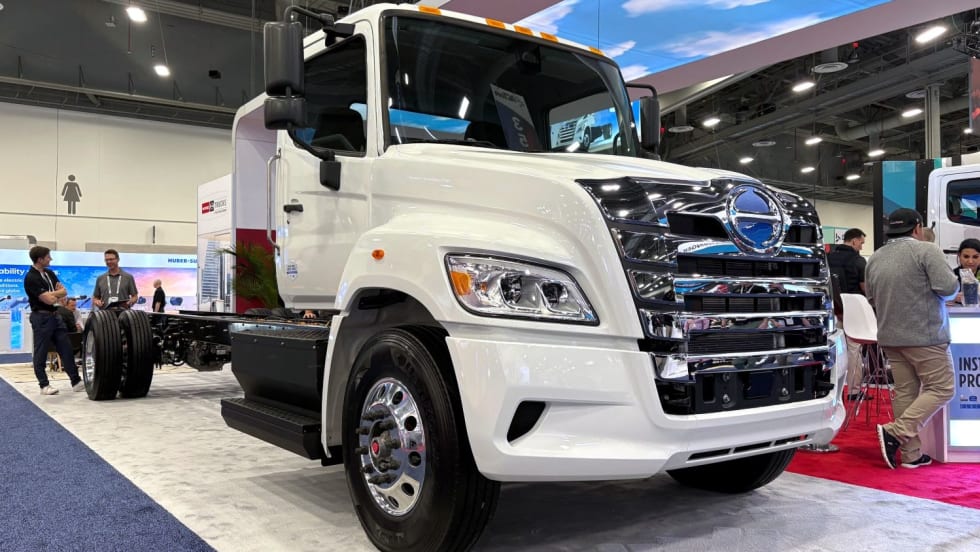
Hino Adds Electric Class 6/7 Truck
Hino says the Le Series is an important step in the company's efforts to reduce environmental impact and support its customers’ sustainability goals.
Read More →