




Cell phones are great for emergencies. Dialing 911 is great for emergencies. But the two don't necessarily work well together, as dispatchers in the past have not been able to easily locate 911 callers on cell phones.
That's beginning to change, as Rhode Island rolls out the country's first e911 system.
According to the Wall Street Journal, the wireless tracking technology called e911 can track users' whereabouts down to within 10 feet. For now, this is only available on certain Sprint PCS phones with global positioning chips built in. It will take another year before all mobile phone providers in Rhode Island have the capability.
The federal government's five-year-old federal plan to install e911 nationwide is seriously behind schedule, reports the Journal. As originally envisioned, all of the country's approximately 5,000 911 centers were supposed to have been able to track mobile phone locations by Oct. 1. The six largest wireless carriers are currently operating under a patchwork of extensions granted by the Federal Communications Commission. Significant rollouts aren't expected for a year or two, but by 2005, 95 percent of handsets are supposed to be location-capable.
Rhode Island Deploys First e911 System
Cell phones are great for emergencies. Dialing 911 is great for emergencies. But the two don't necessarily work well together, as dispatchers in the past have not been able to easily locate 911 callers on cell phones. That's beginning to change, as Rhode Island rolls out the country's first e911 system
More Safety & Compliance
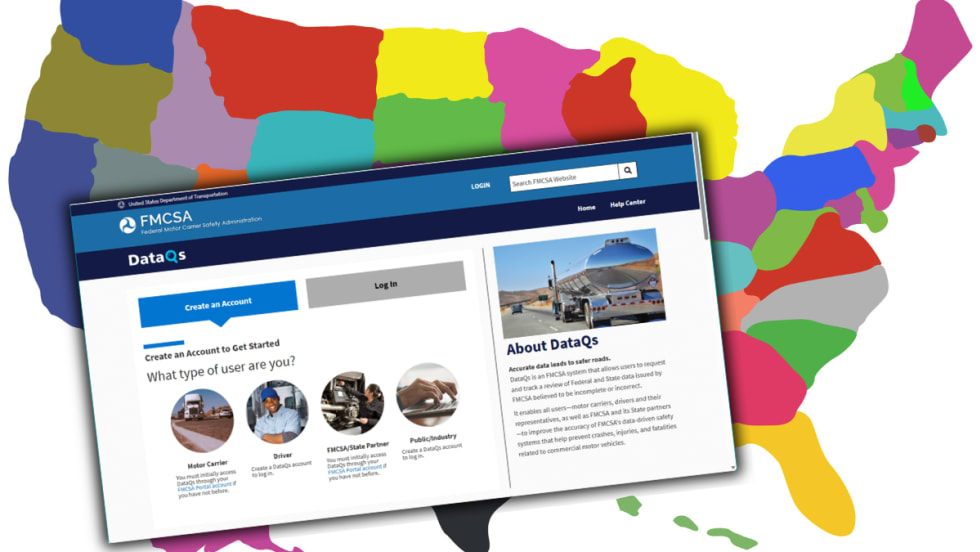
FMCSA Revamps DataQs to Improve Fairness, Speed of Reviews
New requirements add firm deadlines and independent review steps, addressing long-standing complaints about inconsistent rulings and slow response times.
Read More →
FMCSA Extends Paper Medical Card Exemption … Again
Five states still aren't ready to accept commercial driver medical exam information directly from the medical examiner's registry.
Read More →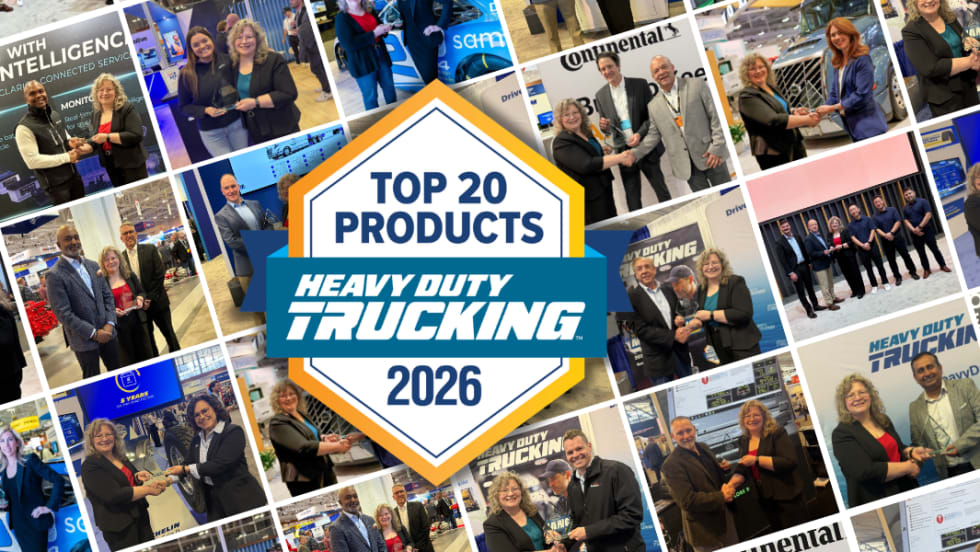
HDT Honors the Best New Products of 2025 at TMC [Photos]
Heavy Duty Trucking's Top 20 Products awards recognize the best new products and technologies. Check out the award presentations at the 2026 Technology & Maintenance Council annual meeting.
Read More →
Detroit Engines: Trusted Performance, Built for What's Next
The Detroit® Gen 6 engine platform proves that real progress doesn’t require a complete redesign. Built on 20 years of trusted technology, these engines are designed for efficiency, stronger performance, and greater reliability than before. And they do it all while complying with 2027 EPA standards on every mile.
Read More →
Aperia Expands Halo Platform with Steer-Tire Inflation System, Fifth-Wheel Integration
Aperia Technologies introduced a new automatic tire inflation system for steer axles and a partnership with Fontaine Fifth Wheel to integrate coupling status into its Halo Connect platform.
Read More →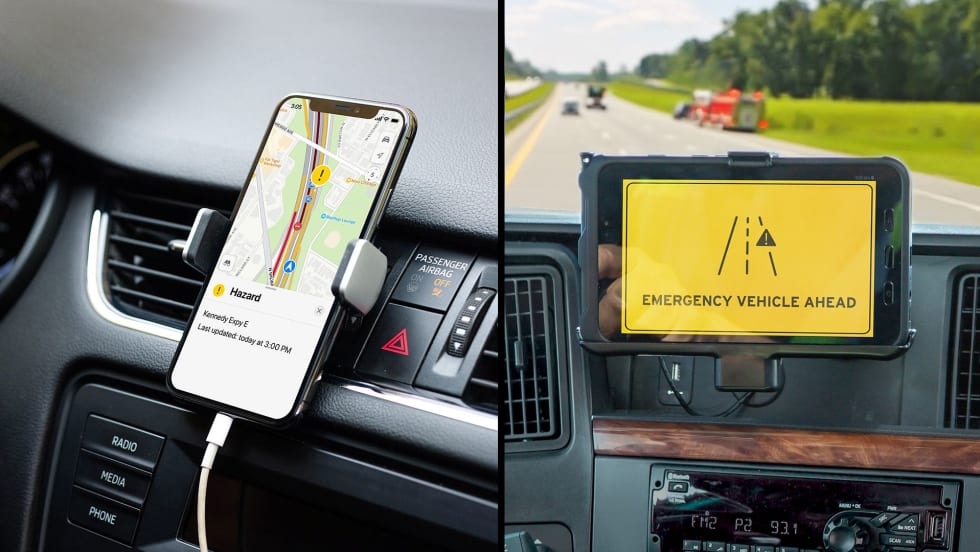
Fleetworthy and HAAS Alert Expand Partnership Stopped Truck Protection Alerts
Fleetworthy and HAAS Alert expanded their partnership to deliver real-time digital alerts that warn motorists when commercial trucks are stopped roadside and notify truck drivers when approaching emergency responders.
Read More →
New Entrants, Chameleon Carriers, and Safety: Is It Too Easy to Start a Trucking Company?
More than 100,000 new trucking companies enter the industry each year, but regulators manage to audit only a fraction of them. That churn creates opportunities for inexperienced startups — and for “chameleon carriers” that shut down after safety violations and reappear under new identities. Read more from Deborah Lockridge in this commentary.
Read More →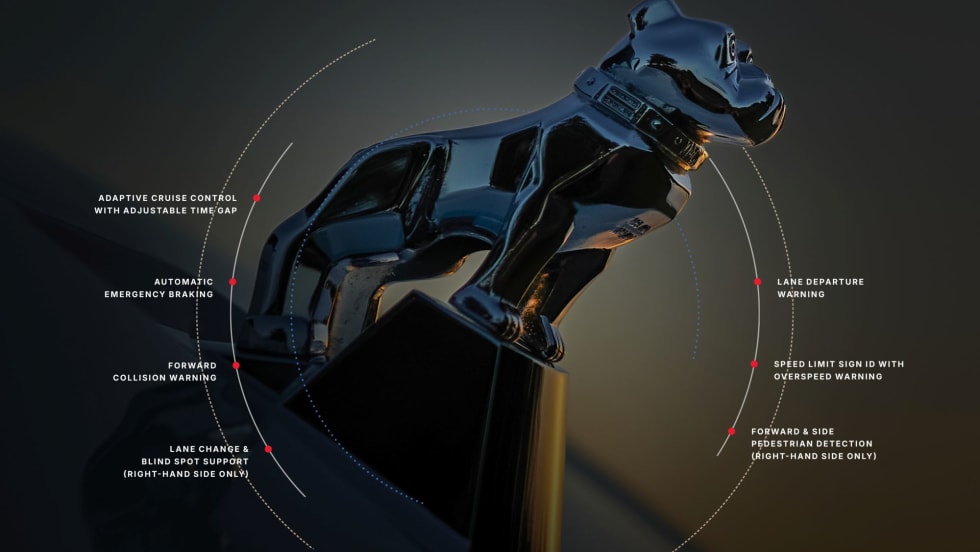
Mack Introduces Mack Protect Collision Mitigation System for MD Series
Mack Trucks has expanded its proprietary Mack Protect collision mitigation platform to the Mack MD Series, bringing heavy-duty safety technology to medium-duty trucks operating in urban and regional environments.
Read More →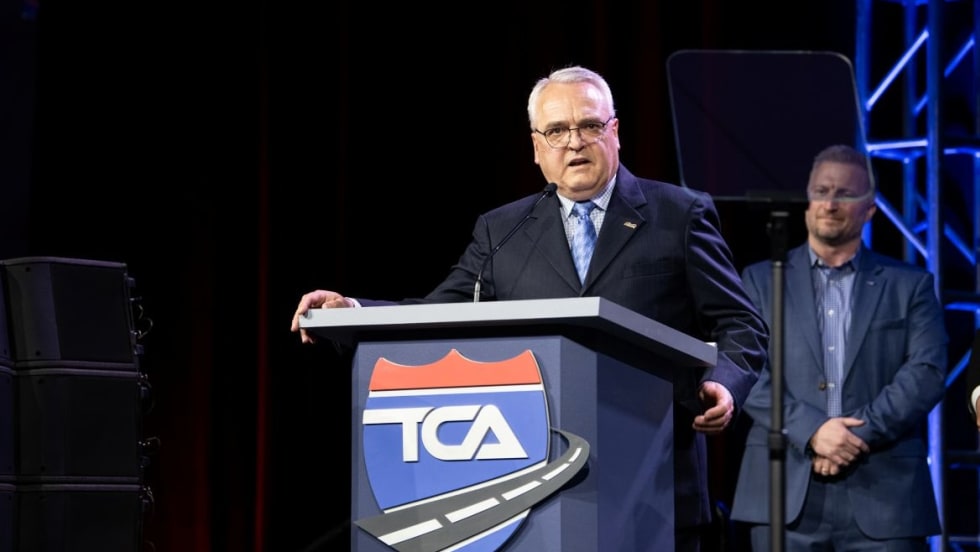
Bison Transport, Mill Creek Motor Freight Win TCA Fleet Safety Awards Grand Prize
Two Canadian fleets earned the Grand Prize in the Truckload Carriers Association’s 2025 Fleet Safety Awards, recognizing the industry’s top safety performance based on accident frequency and safety programs.
Read More →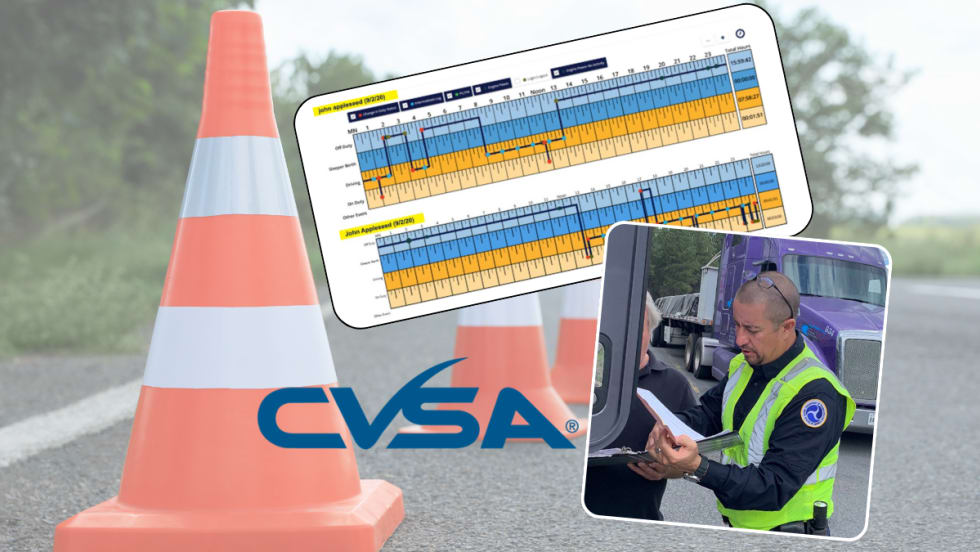
CVSA Issues New Inspection Guidance on ELD Tampering, False Logs
New guidance for commercial vehicle inspectors distinguishes between more traditional logbook violations and tampered ELD data that can result in mandatory 10-hour out-of-service orders.
Read More →