




Postal Fleet Services Leases 20 CNG Trucks from Ryder
Postal Fleet Services has signed a Ryder ChoiceLease Full Service agreement for 20 compressed natural gas heavy-duty trucks to support its mail-delivery operations in four states.
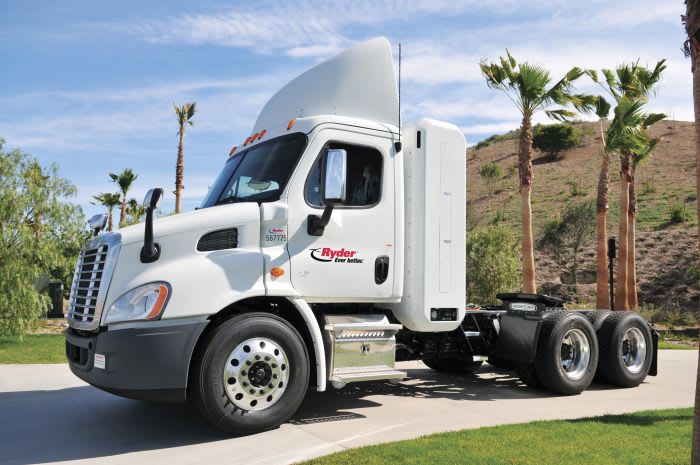
Postal Fleet Services has signed a Ryder ChoiceLease Full Service agreement for 20 compressed natural gas heavy-duty trucks to support its mail-delivery operations in four states.
The trucks will be working out of locations in Orlando, Fla., Lafayette, La., Jackson, Miss., and La Vergne, Tenn. Postal Fleet Services has used Ryder for fleet leasing and maintenance for over a decade. The 20 new vehicles will be added to the existing fleet of Ryder diesel-powered vehicles already supporting the carrier's operations.
As part of the agreement, the vehicles will be serviced by Ryder’s maintenance network of natural gas-trained technicians within Ryder maintenance facilities designed for the compliance requirements of servicing alternate-fueled vehicles.
“Ryder continues to see demand for natural gas vehicles from businesses that are looking through a longer term lens, and want to realize the environmental and fuel efficiency benefits,” said Dennis Cooke, Ryder president of global fleet management solutions. “When companies outsource to Ryder, they get the benefits of our extensive experience operating and maintaining natural gas fleets, so they can reduce risk, maximize performance, speed return on investment, and focus on driving what matters to them – managing their core business and servicing their customers.”
Ryder has 22 NGV maintenance facilities and more than 5,500 NGV-trained maintenance and support personnel. With the Postal Fleet Services agreement, the company has expanded its NGV offering into 16 states and two Canadian provinces.
More Fleet Management

Color Match Smarter: Tools That Restore & Perform
For fleet managers and collision repair professionals keeping heavy-duty trucks on the road, getting the color right the first time isn't just about appearance — it's about efficiency, turnaround time, and bottom-line results. Discover how today's digital color tools are transforming the repair process from guesswork to precision.
Read More →
FMCSA Pauses Biennial-Update Enforcement Amid Motus Transition
Carriers whose updates were due on or after June 1 have more time, while FMCSA works to stabilize its new registration system and warns of phishing sites impersonating its new carrier registration system, Motus.
Read More →
2026 Blueprint for Countering Smarter Supply Chain Theft
Cargo theft is no longer just the cost of doing business. It's a multi-billion-dollar criminal enterprise exploiting vulnerabilities across your fleet, drivers, and supply chain.
Read More →


How Telematics Improves Visibility, Control, and Performance in Refrigerated Fleets
Explore how telematics help refrigerated fleets improve visibility, uptime, efficiency, compliance, and cargo protection across connected cold chain operations.
Read More →
What the U.S.-Canada Trade War Means for Trucking
Escalating U.S.-Canada tariffs could disrupt cross-border freight, reduce truck volumes, raise costs, and create new uncertainty for carriers on both sides of the border.
Read More →
What Are Trucking’s Top Concerns for 2026?
The American Transportation Research Institute wants to know what's worrying trucking fleet managers, drivers, and other stakeholders in its annual Industry Issues survey.
Read More →
American Trucking Associations Looks for a New Leader
ATA President and CEO Chris Spear abruptly left his job at the association on August 21, at a pivotal time for the trucking industry.
Read More →
Public Wi-Fi Cybersecurity Risks: How Truck Drivers and Fleets Can Protect Their Data
Public Wi-Fi can expose truck drivers and fleets to credential theft, malware, and other cyber threats. Here’s how to reduce the risk on the road.
Read More →
For Nicky Cupp, Fleet Innovation Starts With Frustration
HDT Truck Fleet Innovator Nicky Cupp turns everyday pain points at Fraley & Schilling into opportunities for better technology and smarter processes.
Read More →
Adam Buttgenbach’s Approach to Electric Trucks: Start With Where They Fit
HDT Truck Fleet Innovator Adam Buttgenbach helped PepsiCo build one of North America’s largest EV fleets by focusing on where electric trucks make operational sense.
Read More →