




Port Traffic Expected to Return to Normal Patterns
Import cargo volume at the nation’s major retail container ports should see its traditional buildup toward the summer, despite difficult comparisons with last year’s unusual patterns, according to one report.

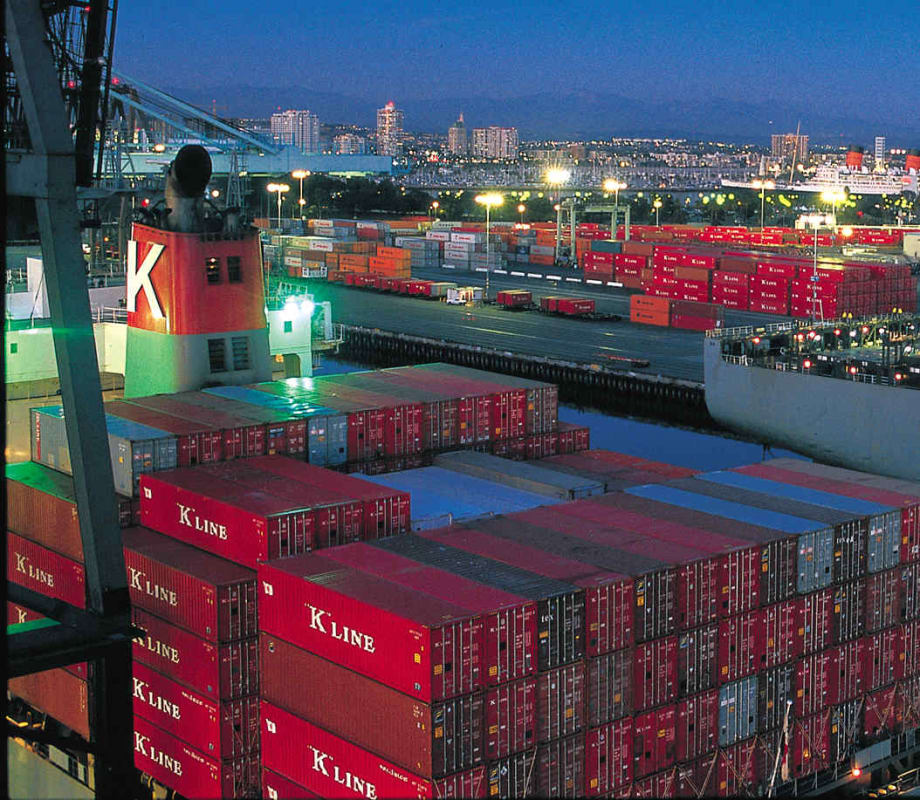
Photo courtesy the Port of Long Beach
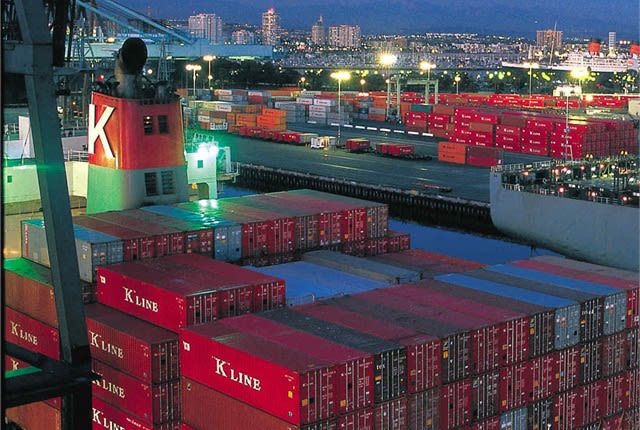
Photo courtesy the Port of Long Beach
Import cargo volume at the nation’s major retail container ports should see its traditional buildup toward the summer, despite difficult comparisons with last year’s unusual patterns, according to one report.
According to the monthly Global Port Tracker report released by the National Retail Federation and the consulting firm Hackett Associates, ports covered in the survey handled 1.5 million 20-foot equivalent Units (TEUs) in January, the latest month for which after-the-fact numbers are available.
That was up 4.4% from December and 21.4% from unusually low figures in January 2015, the month before a new contract with dockworkers was signed to end a near-shutdown at West Coast ports.
“Comparisons are still complicated because of last year’s situation at the West Coast ports but should clear up in the second half of the year,” said NRF vice president for supply chain and customs policy Jonathan Gold. “Year-over-year numbers are skewed but on a monthly basis imports are building normally as the back-to-school season approaches.”
February was estimated at 1.4 million TEUs, up 17.1% from the same month in 2015 and also skewed by last year’s congestion. March is forecast at 1.35 million TEUs, 22.2% lower from the flood of traffic seen as the backlog of cargo began to move through ports at this time last year. April is forecast 1.8% less from last year; May 3.4% lower; June down 1.6%; and July 0.4% less.
The first half of 2016 is expected to be down 0.2% from the same period in 2015.
With cargo volume down so far this year, Hackett Associates Founder Ben Hackett said recent decisions by major shipping lines to add new super-large capacity vessels to routes between Asia and the U.S. West Coast are likely to bring lower shipping rates at the risk of “chaos” in the balance between supply and demand.
“Does this make sense? Absolutely not,” Hackett said. “It flies in the face of financial and economic wisdom and totally ignores the state of the freight market.”
Global Port Tracker covers the U.S. ports of Los Angeles/Long Beach, Oakland, Seattle and Tacoma on the West Coast; New York/New Jersey, Hampton Roads, Charleston, Savannah, Port Everglades and Miami on the East Coast, and Houston on the Gulf Coast.
More Fleet Management

Your Trucks Are Busy. That Doesn’t Mean They’re Winning.
High utilization doesn’t always mean strong margins. Looking beyond the current load can help fleets make better dispatch decisions and get more value from each truck’s time.
Read More →
Why This Trucking Recovery Is Different
Freight demand remains sluggish, but rising costs and tougher enforcement have taken enough capacity out of the market to change the outlook for motor carriers.
Read More →
Platform Science Adds Dispatch and Safety Tools
Four additions to PS Fleet help fleets monitor loads, manage driver coaching, share truck locations and adjust video system settings.
Read More →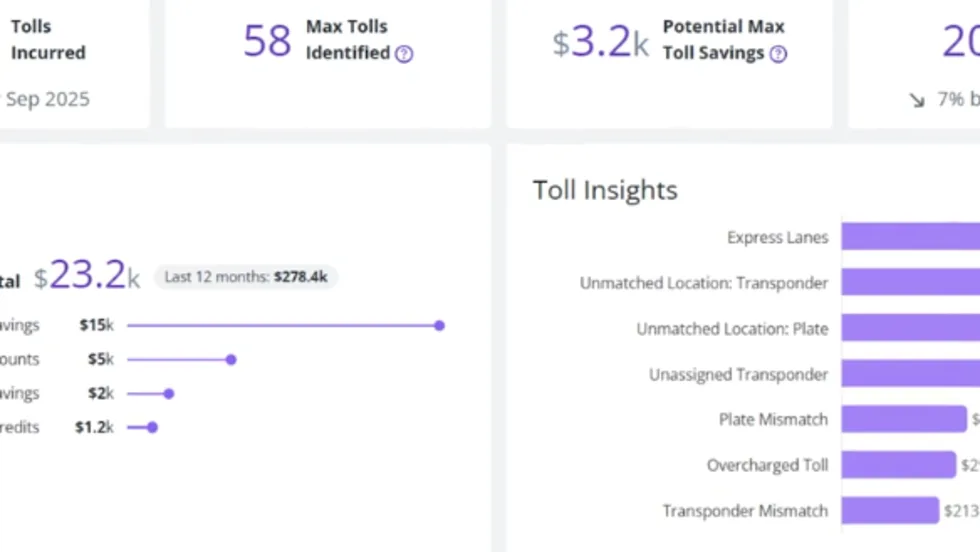
PrePass Intelligence Mines Fleet Bypass, Toll and Safety Data
PrePass Intelligence helps fleets measure bypass savings, flag potential toll overcharges, and spot suspicious transactions by combining data from separate systems.
Read More →
Motive Adds AI Agents for Fleet Operations
New tools automate follow-up on fleet data, from maintenance work orders to driver alerts, with two-way voice conversations planned for later this year.
Read More →
Can You Beat Our Trucking Trivia Challenge?
Test your truck knowledge with 19 trivia questions from Heavy Duty Trucking Exchange. Can you keep up with the fleet pros?
Read More →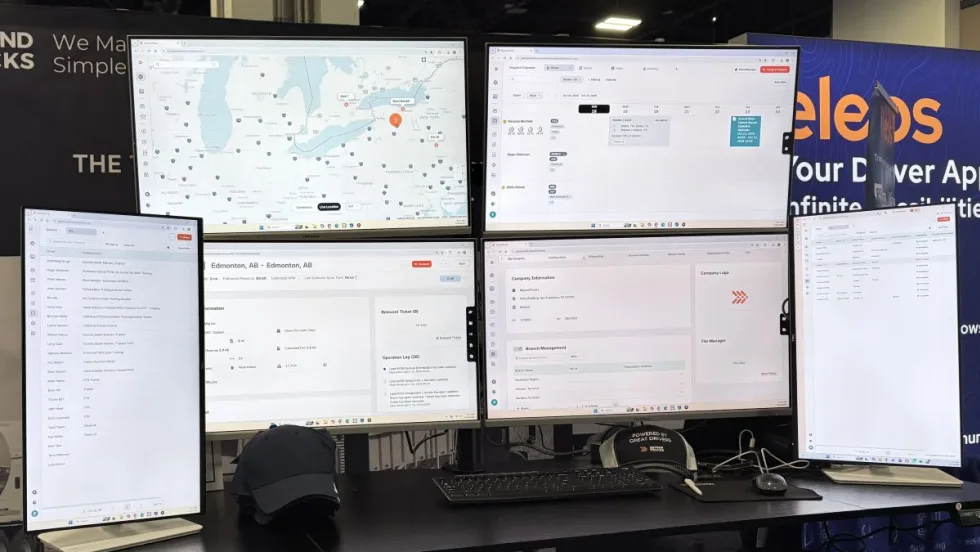
BeyondTrucks Adds Rules Checks to Dispatch
New Compatibility Engine checks driver qualifications, equipment requirements and fleet policies before loads are dispatched.
Read More →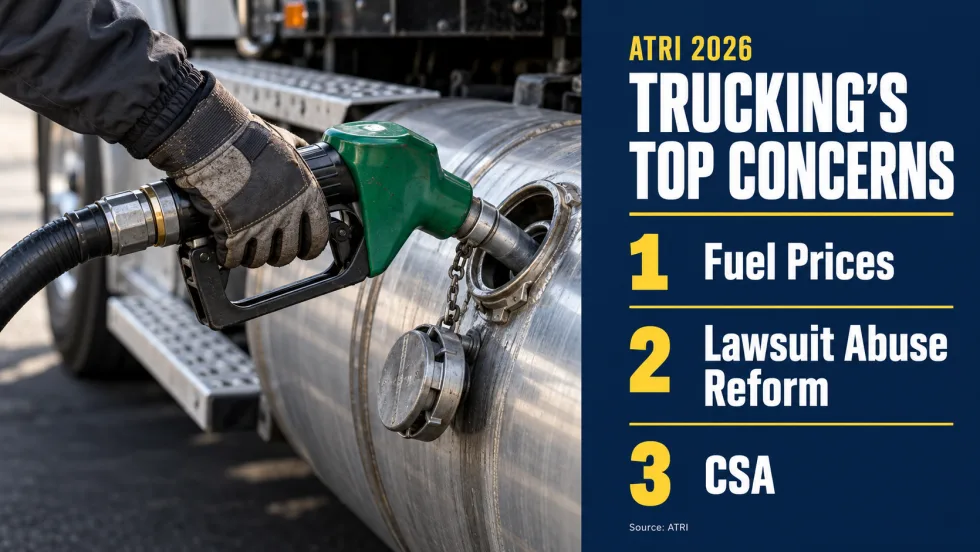
Diesel Prices Hijack Trucking’s Worry List
ATRI’s annual survey finds cautious optimism about freight, but diesel costs, litigation, and insurance continue to squeeze fleets. Drivers have different priorities on several issues.
Read More →
Nomination Deadline Extended for HDT Emerging Leaders
Just a few more days to nominate accomplished trucking fleet professionals under 40 who are making an impact and helping lead the industry forward for the HDT Emerging Leaders award. Deadline extended to October 20!
Read More →
What Will ATA’s New Leader Bring to Trucking's Table?
Incoming President and CEO Mark Colson’s record in Alabama offers clues about his priorities and approach following Chris Spear’s abrupt departure as the head of the American Trucking Associations.
Read More →