




Port of Los Angeles To Test Hydrogen Fuel Cell Trucks
The Port of Los Angeles’ Shore-to-Store pilot demonstration will assess the operational and technical feasibility of hydrogen-powered fuel cell electric trucks in a heavy-duty setting.


The Port of Los Angeles’ Shore-to-Store pilot demonstration will assess the operational and technical feasibility of hydrogen-powered fuel cell electric trucks in a heavy-duty setting.
Photo: Port of Los Angeles
As part of a push to launch a new era of “pollution-free” goods movement, the Port of Los Angeles has deployed five hydrogen-powered fuel cell electric vehicles and opened of two hydrogen fueling stations.
The roll out is part of a $82.5 million project, called Shore-to-Store, which includes more than a dozen public and private sector partners who teamed up for a 12-month demonstration of zero-emission Class 8 trucks.
The project will expand to include five more hydrogen-fueled heavy-duty trucks, two battery-electric yard tractors, and two battery-electric forklifts, port officials said in a press release.
The Class 8 fuel cell electric trucks will have the ability to travel 300 miles on one charge of hydrogen, with 560 hp.
“It has enough torque that we can do a standing start at 20% grade,” Andrew Lund, chief engineer of advanced product planning at Toyota, said on the new trucks in a video posted by the port. “That is incredible power. All of this without any emissions. The only thing that comes out of the tailpipe is water.”
The demonstration is designed to advance the port’s Clean Air Action Plan goals and help California achieve statewide climate change, air quality improvement and sustainability targets for reducing greenhouse gases and toxic air emissions.
Through the demonstration, the port will assess the operational and technical feasibility of the vehicles in a heavy-duty setting, as well as to expand infrastructure to support hydrogen throughout the region.
“This project is a model for developing and commercializing the next generation of clean trucks and cargo-handling equipment for the region and beyond,” said Port of Los Angeles Executive Director Gene Seroka.
Toyota designed and built the powertrain’s fuel cell electric power supply system; Kenworth designed and built 10 of the Class 8 T680 fuel cell electric trucks; and Shell designed, built and will operate the project’s two new high-capacity hydrogen fueling stations in Wilmington and Ontario, California.
The first five vehicles, which were assembled at the Kenworth plant in Renton, Washington, are now delivered to fleets in California for commercial service at the Port of Los Angeles. Partners operating the trucks are Toyota Logistics Services, UPS, and trucking companies Total Transportation Services and Southern Counties Express.
“Shell believes hydrogen offers a promising solution to achieving net-zero emissions both in terms of immediate improvements of local air quality as well as meeting long-term climate goals especially for heavy-duty vehicles and for long-distance travel,” said Paul Bogers, vice president of hydrogen for Shell. “That’s why we are working with truck manufacturers, fleets, governments and others to coordinate hydrogen infrastructure investments in high-traffic freight areas like the Port of Los Angeles, Port of Long Beach, the Los Angeles basin and the Inland Empire.
The California Air Resources Board is supporting the project with a matching grant of $41.1 million. Project partners are contributing the remaining $41.4 million in financial and in-kind support.
Gas and technology leader Air Liquide is participating as a fuel supplier. The Port of Hueneme will partner on drayage runs and serve as the site for testing the zero-emissions yard tractors.
Other public sector partners are the South Coast Air Quality Management District, serving as a project advisor; the National Renewable Energy Laboratory, which will collect and analyze project data; and the Coalition for a Safe Environment, representing the community.
The vehicles’ duty cycles will consist of local pickup and delivery and drayage near the Port and short regional haul applications in the Inland Empire. Partners will study the technical feasibility of hydrogen-fueled tractors and battery-electric cargo handling equipment operating under the rigorous demands of the Southern California market. At the same time, they will measure the reduction of nitrogen oxide, particulate matter, and greenhouse gas emissions, as well as other pollutants.
The Port of Los Angeles S2S Project is part of California Climate Investments, a statewide initiative that puts billions of Cap-and-Trade dollars to work reducing greenhouse gas emissions, strengthening the economy, and improving public health and the environment.
Planning for S2S began in 2018. The project is one of 16 demonstrations underway at the Port to accelerate near-zero and zero-emissions solutions for moving cargo.
North America’s leading seaport by container volume and cargo value, the Port of Los Angeles facilitated $259 billion in trade during 2020.
More Fuel Smarts
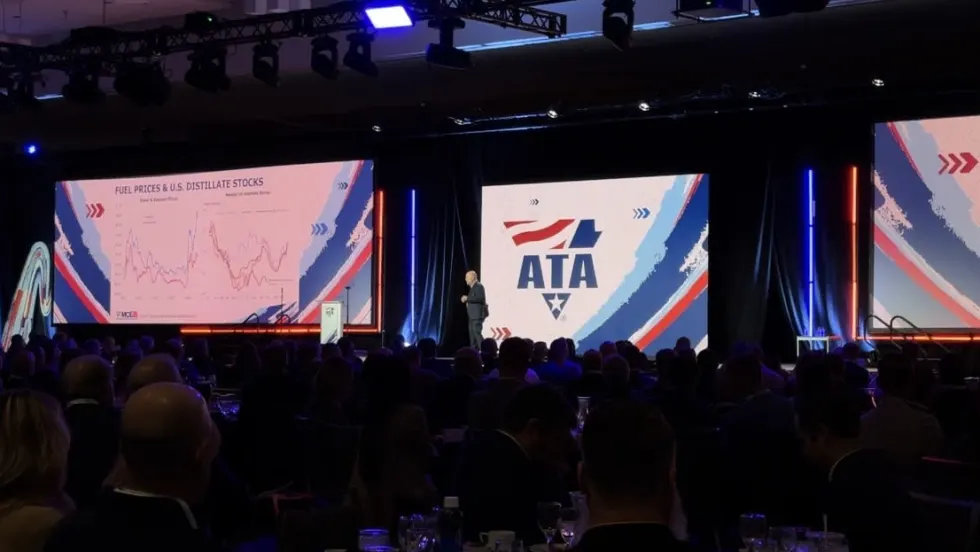
Trucking’s Diesel Squeeze Isn’t Letting Up
With diesel topping $6 a gallon nationally, ATA's Bob Costello explains why fleets should prepare for continued pressure at the pump.
Read More →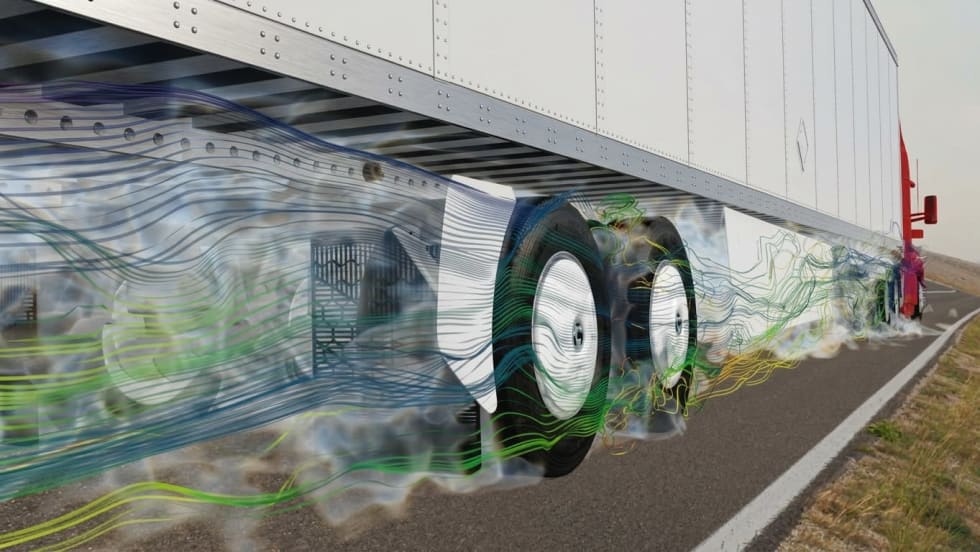
FlowBelow Redesigns Trailer AeroSlider to Cut Fuel Use
The lighter trailer aerodynamic system installs in less than 45 minutes, according to the company, with potential payback in under a year depending on fuel prices and trailer mileage.
Read More →
Why Diesel Price Relief Efforts May Fall Short
Diesel prices have eased from September’s record high, but doubts about additional Russian supply and limits on dyed-diesel tax relief mean trucking fleets still face expensive fuel. And prices could go higher.
Read More →
Why Small Fuel Savings Matter in Trucking
Can better fuel economy help pay for driver raises? In this podcast, GP Transco explains how small efficiency gains create room to reinvest in its people.
Read More →
How GP Transco Cuts Trucking Fuel Costs, a Tenth of a Gallon at a Time
What’s another tenth of a mile per gallon worth? GP Transco shares how equipment upgrades and driver coaching turn small gains into meaningful fuel savings.
Read More →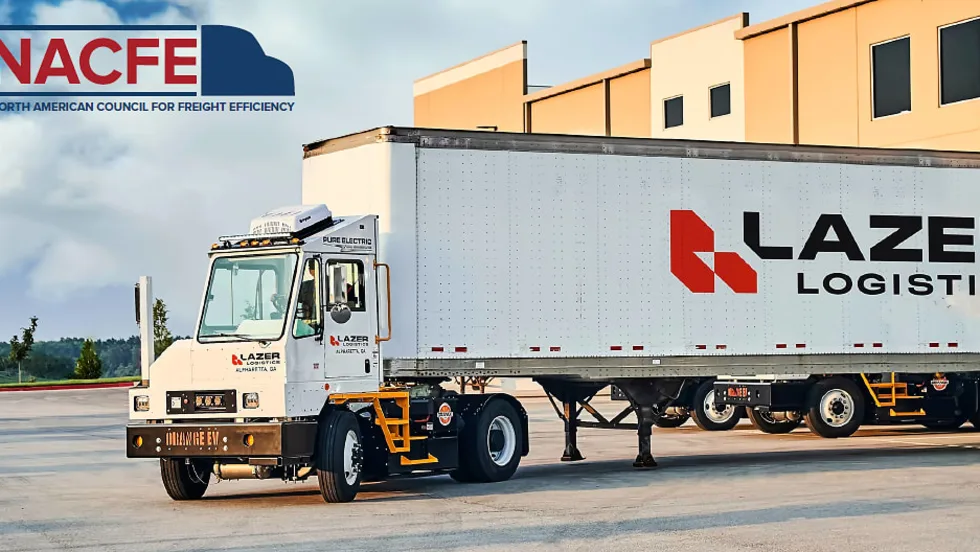
Electric Yard Tractors Move Beyond Pilots
Operating-cost savings have overtaken sustainability goals as the leading reason surveyed fleets are adopting battery-electric terminal tractors, according to new NACFE research.
Read More →
Geotab Links Fleet Card to Vehicle Data
The new card combines fuel discounts with telematics-based purchase controls. Geotab’s analysis also points to potential savings from choosing lower-priced fuel stops.
Read More →
Fleet Economics Shape Electric Truck Outlook
ACT Research expects costs, charging infrastructure, and technology improvements to drive zero-emission commercial vehicle adoption as federal regulations and incentives retreat.
Read More →
Wex Adds Cardless Fuel Payments for Over-the-Road Customers
A new fuel card feature for Wex customers offers convenience and security.
Read More →
New California Law Could Shed Light on Electric Truck Prices
Why do battery-electric Class 8 trucks remain so expensive? A California bill signed by Gov. Gavin Newsom would give fleets and state agencies more visibility into what manufacturers charge.
Read More →