




Port of L.A. Breaks Ground on $137.7 million Project
Los Angeles Mayor Antonio Villaraigosa and Port of Los Angeles officials broke ground on a new intermodal storage railyard that will improve a vital link in the national freight network. The new yard will function as a critical link between the Port of Los Angeles and the Alameda Corridor, providing staging and storage for trains using the corridor.
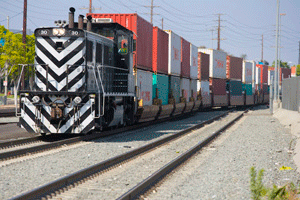
Los Angeles Mayor Antonio Villaraigosa and Port of Los Angeles officials broke ground on a new intermodal storage railyard that will improve a vital link in the national freight network. The new yard will function as a critical link between the Port of Los Angeles and the Alameda Corridor, providing staging and storage for trains using the corridor.
Construction of the $137.7 million rail project at Berth 200, also known as the West Basin Railyard, will generate about 2,000 direct and indirect jobs. When completed, the new yard will move cargo more safely and efficiently, reduce truck traffic on roads and freeways and improve regional air quality while strengthening the Port of Los Angeles' position as the nation's No. 1 trade gateway.
The Berth 200 railyard project also enables track space at the TraPac container terminal to serve as TraPac's future on-dock rail facility. With completion of the $365 million in rail, roadway and terminal improvements at TraPac over the next three years, TraPac will join the other seven container terminals at the Port of Los Angeles that offer shippers the speed-to-market advantage of on-dock rail.
The railyard will be constructed with $16 million in federal grant money from the U.S. Department of Transportation's highly competitive Transportation Investment Generating Economic Recovery program known as the TIGER Discretionary Grant program. The Port secured $51.2 million from the State Proposition 1B Trade Corridors Improvement Fund Grant that is administered by Caltrans and $22.1 million from METRO-awarded federal funds. The Port is investing $48.37 million from its Harbor Revenue funds for the project.
Project benefits include:
- Creating approximately 2,000 direct construction and indirect jobs.
- Maximizing use of on-dock rail shifts container transport from trucks to on-dock rail, reducing harmful emissions by 593,955 tons over a 20-year period.
- Improving safety via truck trip reductions on I-710, which has the highest accident rate in California, and via the removal of two at-grade rail-roadway crossings that are impediments between the community and the waterfront area.
- The new yard is projected to generate $1 billion in annual state revenues by 2030.
- When completed, the railyard will eliminate 2,300 daily truck trips from the Long Beach (710) and Harbor (110) freeways.
- Using the most up-to-date green and clean Tier IV construction equipment.
The project will be built in two phases. Phase I includes construction of the new yard, support tracks for the TraPac and China Shipping/West Basin Container terminals, double-track connections to the Alameda Corridor and national rail network, and access road improvements.
Phase II is due to begin construction in 2013 and includes final rail network connections and vehicle overpasses to eliminate at-grade crossings for safer, more efficient flow of truck and commuter traffic. Both phases are due to be completed in summer 2014.
Construction of the rail project begins on the heels of completion of the Harry Bridges Boulevard Roadway Improvements, a $22 million project also built with federal stimulus dollars.
More Fleet Management

Public Wi-Fi Cybersecurity Risks: How Truck Drivers and Fleets Can Protect Their Data
Public Wi-Fi can expose truck drivers and fleets to credential theft, malware, and other cyber threats. Here’s how to reduce the risk on the road.
Read More →
For Nicky Cupp, Fleet Innovation Starts With Frustration
HDT Truck Fleet Innovator Nicky Cupp turns everyday pain points at Fraley & Schilling into opportunities for better technology and smarter processes.
Read More →
Adam Buttgenbach’s Approach to Electric Trucks: Start With Where They Fit
HDT Truck Fleet Innovator Adam Buttgenbach helped PepsiCo build one of North America’s largest EV fleets by focusing on where electric trucks make operational sense.
Read More →
Deen Albert: Let Automation Do the Math, People Make the Decisions
HDT Truck Fleet Innovator Deen Albert makes sure people are still at the heart of operations at Grand Island Express, even while adopting artificial intelligence tools. AI-assisted dispatch helped boost revenue 25% with the same number of trucks.
Read More →
Trimble’s New AI Agent Takes Aim at Fleet Back-Office Busywork
Arc Agent works across Trimble TMS products to automate repetitive tasks such as freight orders, maintenance, invoices, fuel costs and more.
Read More →
How HDT’s 2026 Truck Fleet Innovators Are Rethinking Fleet Operations
Meet five trucking leaders who are challenging assumptions, solving operational problems, and putting innovative ideas to work.
Read More →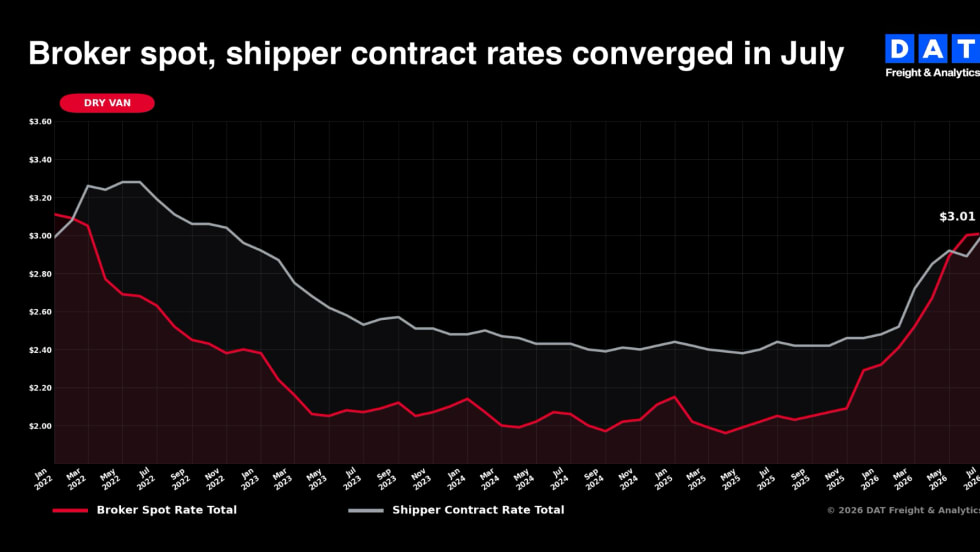
Tight Trucking Capacity Pushes Rates Higher Even as Freight Volumes Fall
“Spot rates moving ahead of contract rates have historically signaled a tightening market, but we haven’t seen a capacity-driven market quite like this one,” said DAT's Dean Croke.
Read More →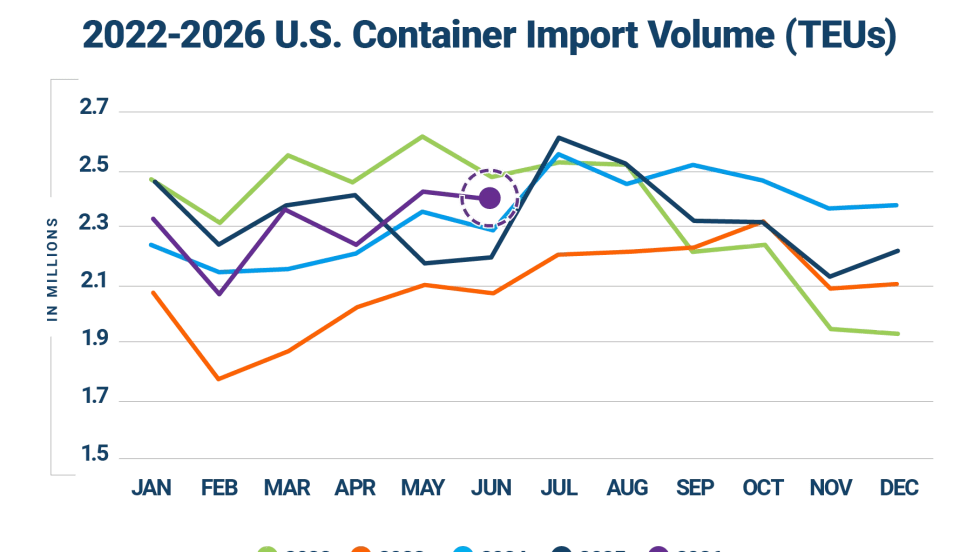
Import Cargo’s Early Peak Season is Winding Down
There was an early start to peak season this year at the nation's gateway ports, as retailers brought in merchandise ahead of tariff changes in late July and responded to other supply chain uncertainties,
Read More →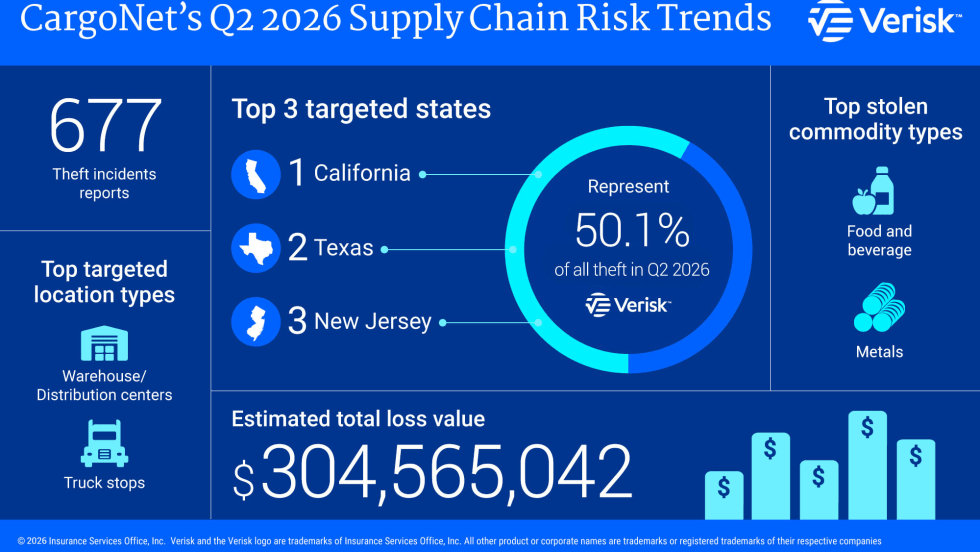
Fewer Cargo Thefts, Bigger Losses: Criminals Target Higher-Value Loads
CargoNet says organized theft rings are stealing fewer shipments but choosing more valuable freight, including metals and technology, resulting in record losses.
Read More →
How Innovative Trucking Leaders Turn Change Into an Advantage
As the pace of change accelerates in trucking, the fleets that adapt best have more than the latest technology. They have cultures that embrace improvement.
Read More →