




Related: Upgrading Refuse Fleets to CNG: Three Considerations Beyond Economics
Peterbilt Unveils Model 520 for Refuse Fleets
Peterbilt has expanded its refuse truck lineup with the Model 520, which features new seating configurations for route collection, more versatility and the availability of the Paccar MX-11 engine.
by Staff
May 26, 2016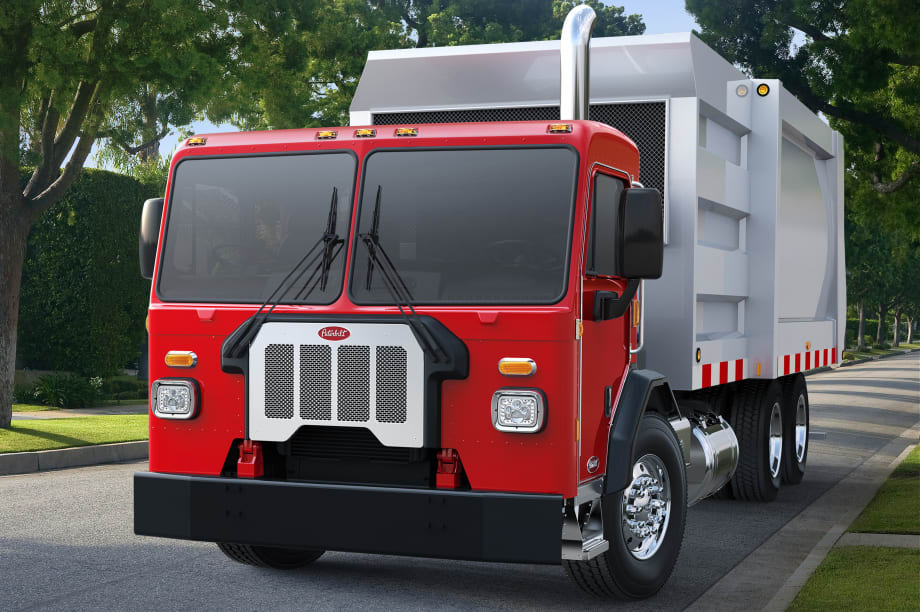
Photo of the Model 520 courtesy of Peterbilt.
2 min to read
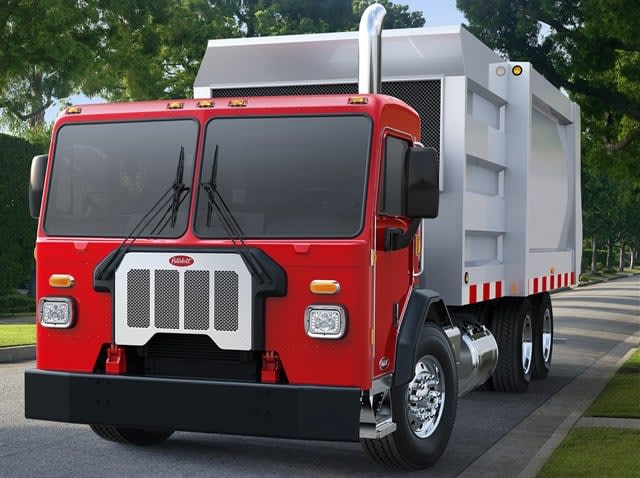
Photo of the Model 520 courtesy of Peterbilt.
Peterbilt has expanded its refuse truck lineup with the Model 520, which features new seating configurations for route collection, more versatility and the availability of the Paccar MX-11 engine.
The dual-station cab has two nearly identical work environments so drivers can operate from the left or right-hand side, including dual controls for the parking brakes, HVAC system and stereo. The console sides are angled to give operators better visibility and access to the same controls and displays from the right and left.
The cab also features an enhanced HVAC system for improved airflow and climate control.
The Model 520 is available with the Paccar MX-11 engine, which went into production earlier this year. The engine is available with up to 430 horsepower and 1,550 lb.-ft. of torque. It can also be powered by natural gas, with both 9- and 11-liter engine options.
The truck also features a new grille designed to accommodate pantograph wipers that cover 27% more of the windshield than previous designs for increased safety in bad weather. Two headlight technologies are available for the Model 520, optional LED lamps and standard single-halogen bulb lamps.
“The Model 520 is the foundation of Peterbilt refuse-collection vehicles,” said Darrin Siver, Peterbilt general manager and Paccar vice president. “The dual-seated/dual-drive configuration allows customers to operate the vehicle from both sides of the cab for greater convenience and comfort.”
More Equipment

Help HDT Find Trucking’s Top Products
Have you come across a new product that could make a difference for trucking fleets? Nominate it for HDT’s 2027 Top 20 Products Awards by November 9.
Read More →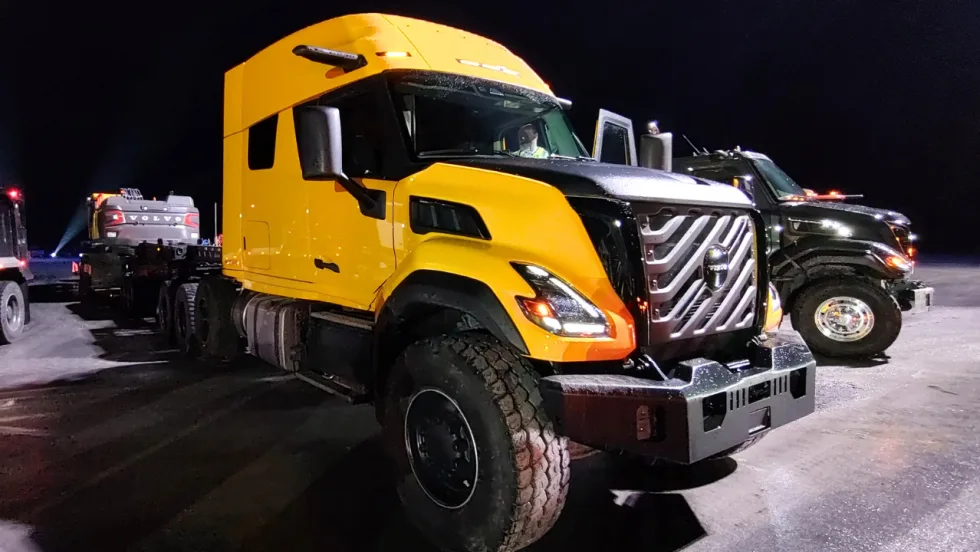
Volvo Unveils New VNX Heavy-Haul and Vocational Truck
Volvo Trucks has launched the VNX, a new vocational truck also available as a tractor in day cab and two sleeper configurations, with one heavy-haul model. The Volvo VNX is powered by Volvo's D13 platform, which delivers up to 540 horsepower and 1,950 pound-feet of torque and is EPA 2027-compliant.
Read More →
How GP Transco Cuts Trucking Fuel Costs, a Tenth of a Gallon at a Time
What’s another tenth of a mile per gallon worth? GP Transco shares how equipment upgrades and driver coaching turn small gains into meaningful fuel savings.
Read More →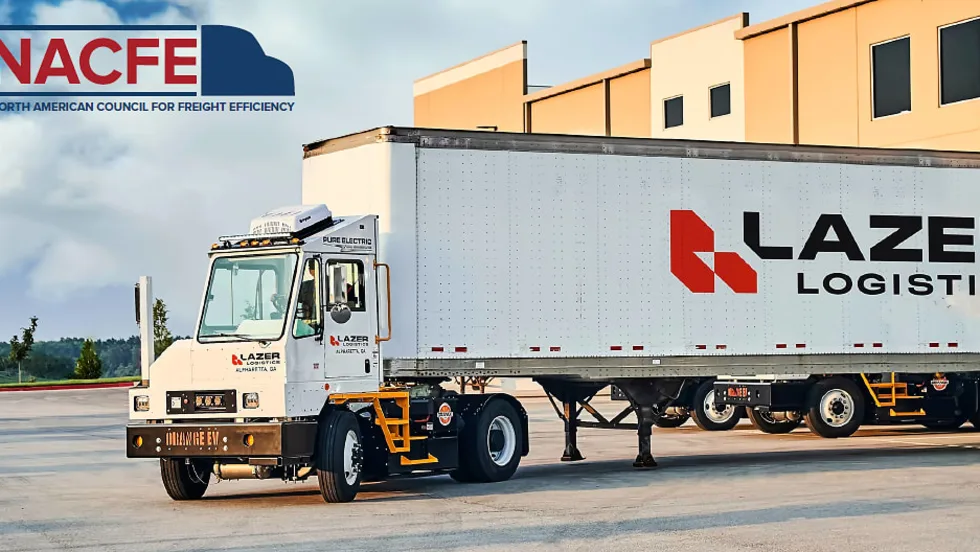
Electric Yard Tractors Move Beyond Pilots
Operating-cost savings have overtaken sustainability goals as the leading reason surveyed fleets are adopting battery-electric terminal tractors, according to new NACFE research.
Read More →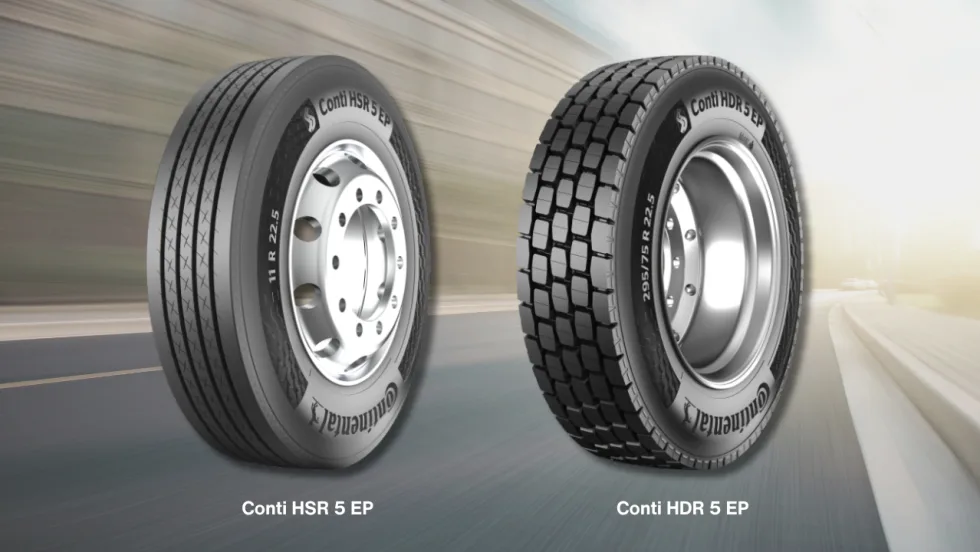
Continental Introduces New Regional Truck Tires
Continental says its new Generation 5 steer and drive tires for regional operations offer longer tread life, with estimated mileage gains of 22% and 19%, respectively.
Read More →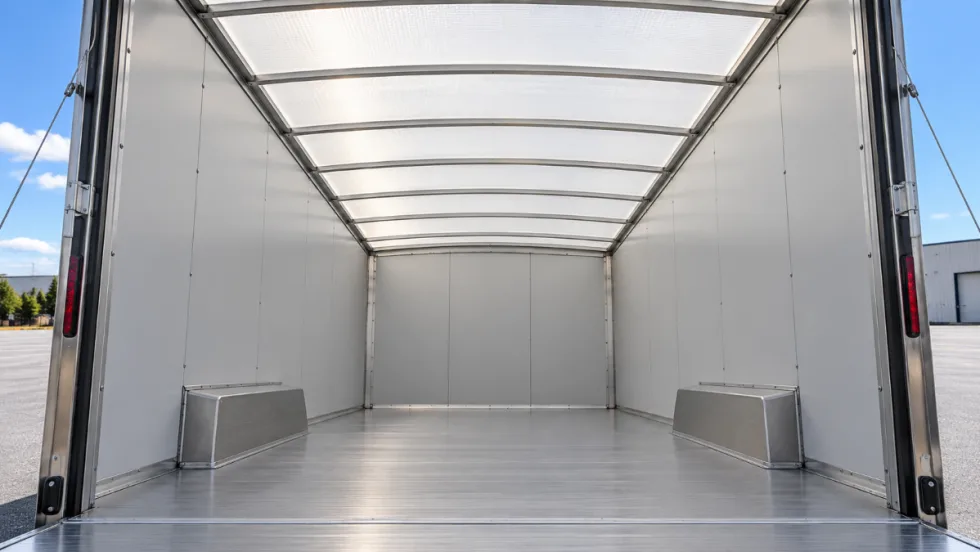
Tekmodo Introduces CargoBright Brand for Translucent Trailer Roofs
CargoBright is designed to diffuse daylight across the cargo area while performing as a working vehicle roof.
Read More →
Fleet Economics Shape Electric Truck Outlook
ACT Research expects costs, charging infrastructure, and technology improvements to drive zero-emission commercial vehicle adoption as federal regulations and incentives retreat.
Read More →
Kodiak Targets Dallas–Houston for Driverless Trucks
The company says its autonomous trucks are completing the I-45 run without a safety observer taking control. It plans to remove the observer by the end of 2026.
Read More →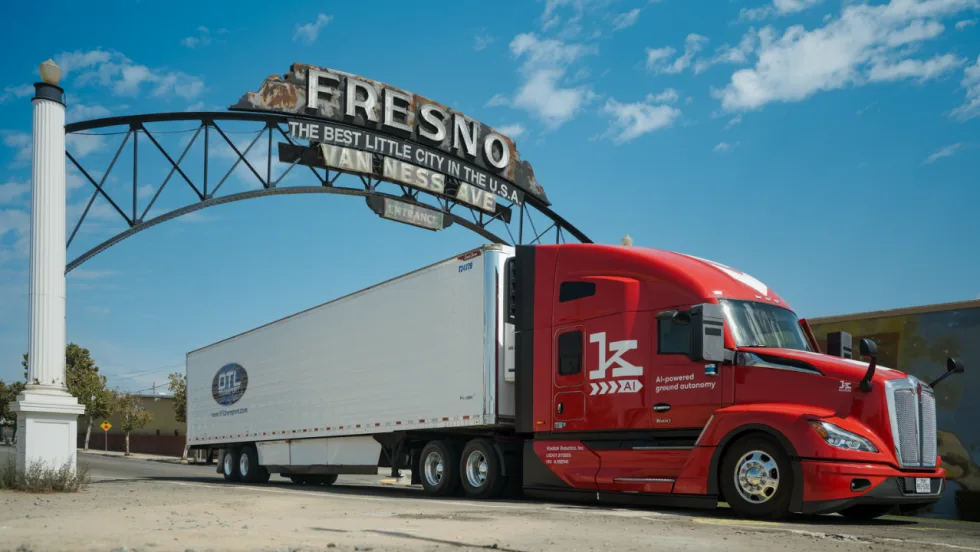
Kodiak Hauls Produce in California Autonomous Truck Pilot
Kodiak AI and DTL Transport have begun hauling produce between Fresno and Los Angeles under California’s new rules for testing heavy-duty autonomous trucks. A safety driver remains behind the wheel.
Read More →
Used-Truck Remarketing Math Is Changing
Used-truck value is no longer just a concern at trade-in. Decisions made throughout a truck’s first life can influence what it’s worth years later.
Read More →