





Related: Canada to Turn Away Unvaccinated Truck Drivers at Border
OSHA: Some Truck Drivers Exempt from COVID-19 Vaccine-or-Test Mandate
The Occupational Safety and Health Administration has officially addressed the issue of whether truck drivers are subject to its controversial COVID-19 vaccine-or-test emergency rule.
January 13, 2022

New OSHA information confirms that most solo truck drivers would not be subject to the COVID-19 vaccine-or-test mandate.
Photo: U.S. Secretary of Defense, CC BY 2.0 via Wikimedia Commons
2 min to read
The Occupational Safety and Health Administration has officially addressed the issue of whether truck drivers are subject to its controversial COVID-19 vaccine-or-test emergency rule.
That rule, which is under review by the Supreme Court, requires companies with more than 100 employees to ensure workers are vaccinated against COVID-19. As an alternative they may implement a weekly testing requirement and require face masks of unvaccinated employees. Either one would be a daunting task when dealing with truck drivers.
In an updated entry to the frequently asked questions about the emergency temporary standard its website, OSHA said:
“There is no specific exemption from the standard’s requirements for truck drivers. However, paragraph (b)(3) provides that, even where the standard applies to a particular employer, its requirements do not apply to employees ‘who do not report to a workplace where other individuals such as coworkers or customers are present’ or employees ‘who work exclusively outdoors. Therefore, the requirements of the ETS do not apply to truck drivers who do not occupy vehicles with other individuals as part of their work duties. Additionally, the requirements of the ETS do not apply to truck drivers who encounter other individuals exclusively in outdoor environments.”
In an email to members, the American Trucking Associations said, “we believe this guidance is still too narrow and fails to fully address our concerns as it relates to team drivers and other segments of our workforce.”
The FAQ says the requirements do apply to “truck drivers who work in teams (e.g., two people in a truck cab) or who must routinely enter buildings where other people are present.”
Drivers who only occasionally go indoors where other people may be present, such as using a multi-stall bathroom or entering an administrative office only to drop off paperwork, would still be exempted, OSHA said, as long as time spent indoors is brief.
The FAQ also makes clear that even when the requirements do not apply to specific truck drivers, those drivers are still counted for purposes of the 100-employee threshold.
Following the publication of the ETS, ATA said, Labor Secretary Martin Walsh indicated in public statements that most drivers meet the criteria to be exempt from the vax-or-test mandate for employers with more than 100 employees. “We sought written confirmation from the agency on this matter as well as expansion of the exemption toward other trucking industry workers.”
In an e-mail alert, the transportation attorneys at Scopelitis, Garvin, Light, Hanson & Feary said, "The guidance should prove helpful to many carriers faced with the logistical challenges of testing over-the-road drivers – and may suggest certain operational changes designed to ensure application of the exemption."
More Safety & Compliance

Kodiak Lines Up Fleets for Driverless Trucking
An agreement for 75 trucks, a new Texas freight lane, and progress on safety validation move Kodiak closer to its planned driverless highway launch.
Read More →
More Trailer Data Through the Same Seven-Way [Video]
Can trucking’s standard seven-way connector handle more cameras and trailer data? Grote’s Adam Slade shows HDT how the company is using new technology with its 4See trailer system, not only to add a new backup camera but also to expand other capabilities — without adding another connection.
Read More →
PrePass Intelligence Mines Fleet Bypass, Toll and Safety Data
PrePass Intelligence helps fleets measure bypass savings, flag potential toll overcharges, and spot suspicious transactions by combining data from separate systems.
Read More →
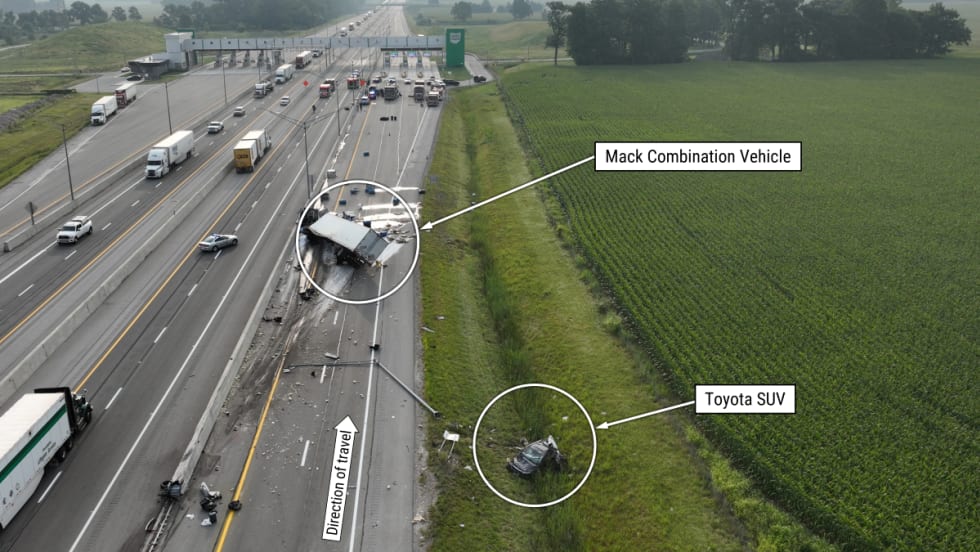
Fatal Crash Exposes Toll Plaza Risks
An NTSB investigation found that last-minute lane changes and large speed differences at an Ohio toll plaza created a hazard the truck driver couldn't avoid in time.
Read More →
When Language Stops the Truck: The Return of ELP Out-of-Service Orders
English language proficiency rules for commercial drivers aren’t new, but renewed out-of-service enforcement has raised the stakes. Here’s what carriers need to know before a driver reaches a roadside inspection.
Read More →
Sponsored•October 6, 2026
A Camera Isn't a Safety Program. Here's What Brokers Are Screening for Now
Footage alone may not be enough to pass broker vetting processes. Here's what counts as a defensible safety program now.
Read More →
Marijuana and Trucking’s Drug-Testing Dilemma
Marijuana is getting stronger, laws are changing, and drug tests still can’t reliably establish impairment. What does that mean for truck drivers and the fleets that employ them?
Read More →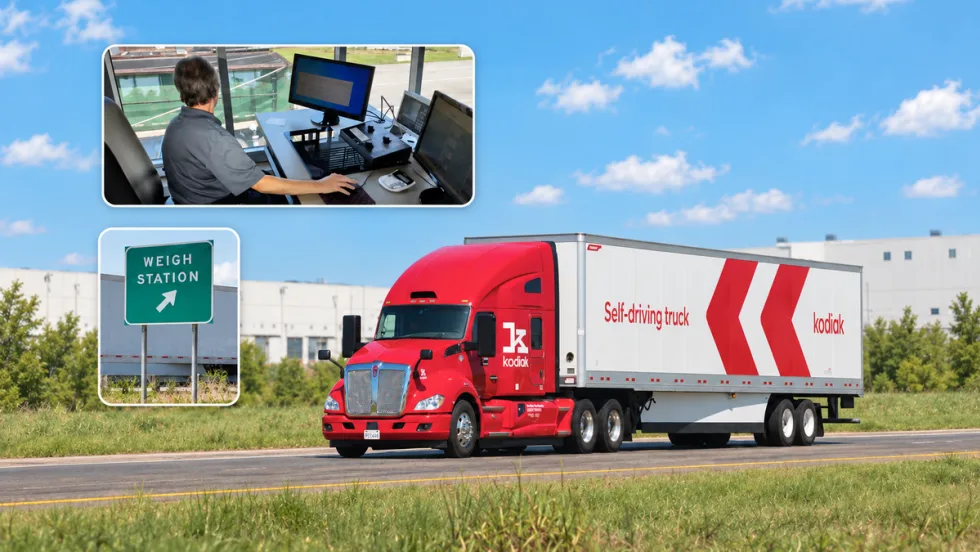
PrePass, Kodiak Connect Driverless Trucks to Roadside Enforcement
The system will allow enforcement agencies to verify Enhanced Inspection information and decide whether Kodiak’s autonomous trucks can bypass roadside screening sites.
Read More →
From One Generation to the Next: How Mentorship Builds Safer Truck Drivers
After three decades in trucking, Harold Perry shares what he's learned about driver safety, mentorship, and helping the next generation build confidence behind the wheel.
Read More →
FMCSA Pauses Biennial-Update Enforcement Amid Motus Transition
Carriers whose updates were due on or after June 1 have more time, while FMCSA works to stabilize its new registration system and warns of phishing sites impersonating its new carrier registration system, Motus.
Read More →