




Obama Administration Steps Up Action Against Unsafe Motor Carriers
The U.S. Department of Transportation announced that in the last two years, the Obama Administration has issued as many imminent hazard orders placing unsafe bus and truck companies out of service as in the previous 10 years combined
The U.S. Department of Transportation announced that in the last two years, the Obama Administration has issued as many imminent hazard orders placing unsafe bus and truck companies out of service as in the previous 10 years combined.
As part of the administration's effort to step up motorcoach safety, the Federal Motor Carrier Safety Administration says it has cracked down on unsafe carriers through surprise inspections, full compliance reviews, and enforcement actions.
Between 2000 and 2009, FMCSA issued a total of 14 imminent hazard orders placing unsafe carriers out of service. In just the last two years, FMCSA has already issued another 14 imminent hazard orders to take carriers that pose an immediate risk to passengers off the road. Just last month the DOT issued an imminent hazard order to a Michigan company found to be transporting passengers in luggage compartments.
"From Day One, I have pledged to put public safety above all else, and we will continue to take action when we see carriers placing passengers at risk," said U.S Transportation Secretary Ray LaHood. "We continue using all of the tools at our disposal to get unsafe carriers off the road and hope that Congress will act on our proposal to provide us with the necessary authority to expand our safety oversight."
In the past four months, FMCSA has issued eight out-of-service orders. FMCSA issued these orders immediately following safety investigations that found the carriers and/or the drivers to be in such substantial non-compliance with federal safety regulations as to pose an imminent hazard to public safety. The eight imminent hazard out-of-service orders in 2011 have been issued to seven interstate motorcoach companies: two each based in Georgia and Pennsylvania, and one each in Michigan, Mississippi and North Carolina. One order was issued to a Tennessee-based truck driver.
The Obama Administration has also doubled the number of bus inspections and comprehensive safety reviews of the nation's estimated 4,000 passenger bus companies. Roadside inspections of motorcoaches have jumped nearly 100 percent, from 12,991 in 2005 to 25,703 in 2010, while compliance reviews are up 128 percent, from 457 in 2005 to 1,042 in 2010. In addition, FMCSA has initiated a greater number of enforcement cases against unsafe passenger carriers under the current administration: these cases have risen from 36 in 2008 to 44 in 2010.
In May, FMCSA and its state and local law enforcement partners conducted more than 3,000 surprise passenger carrier safety inspections over a two-week period that resulted in 442 unsafe buses or drivers being removed from the nation's roadways. The strike force took 127 unsafe drivers and 315 unsafe vehicles off the road during these unannounced inspections.
The DOT has asked Congress to provide FMCSA with greater authority to pursue unsafe "reincarnated" passenger carriers by establishing a uniform federal standard to help determine whether a new carrier is a reincarnation of an old, unsafe carrier.
The DOT has also asked Congress to approve a new procedure that would allow FMCSA to conduct bus safety inspections at en route locations such as rest stops, and to require new motorcoach companies to undergo a full safety audit before receiving operating authority.
To ensure passenger carriers operating in violation of DOT regulations are punished, DOT has asked Congress to raise the penalty for operating illegally or without authority from $2,000 a day to $25,000 per violation.
More Drivers
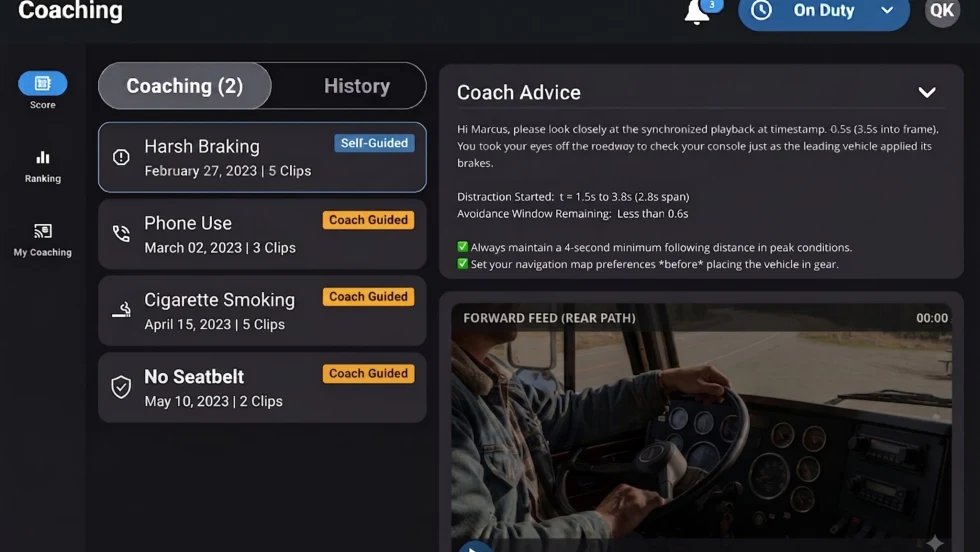
Platform Science Adds Dispatch and Safety Tools
Four additions to PS Fleet help fleets monitor loads, manage driver coaching, share truck locations and adjust video system settings.
Read More →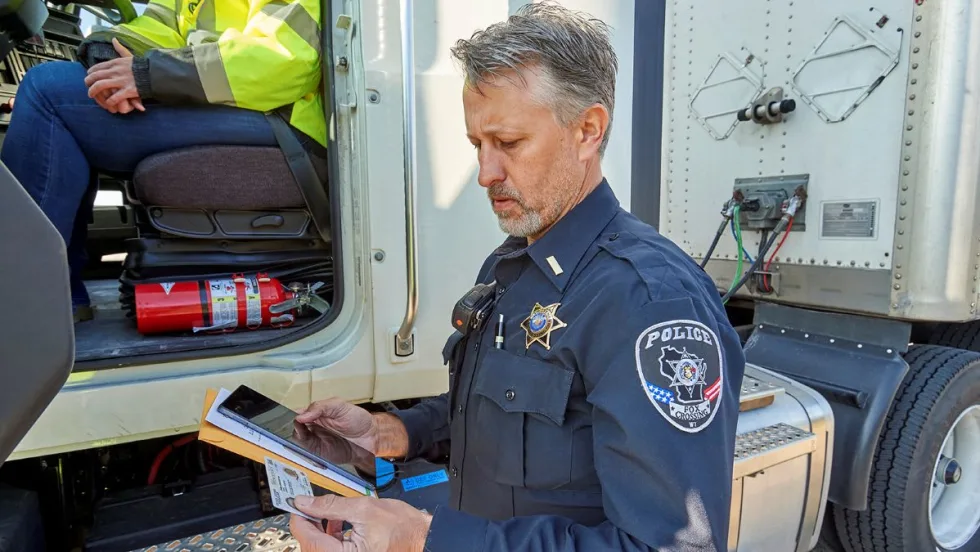
When Language Stops the Truck: The Return of ELP Out-of-Service Orders
English language proficiency rules for commercial drivers aren’t new, but renewed out-of-service enforcement has raised the stakes. Here’s what carriers need to know before a driver reaches a roadside inspection.
Read More →
Samsara Launches Custom AI Agent Builder
Agent Studio lets fleets create AI tools for hours-of-service monitoring, reporting and driver support, including agents that communicate by phone.
Read More →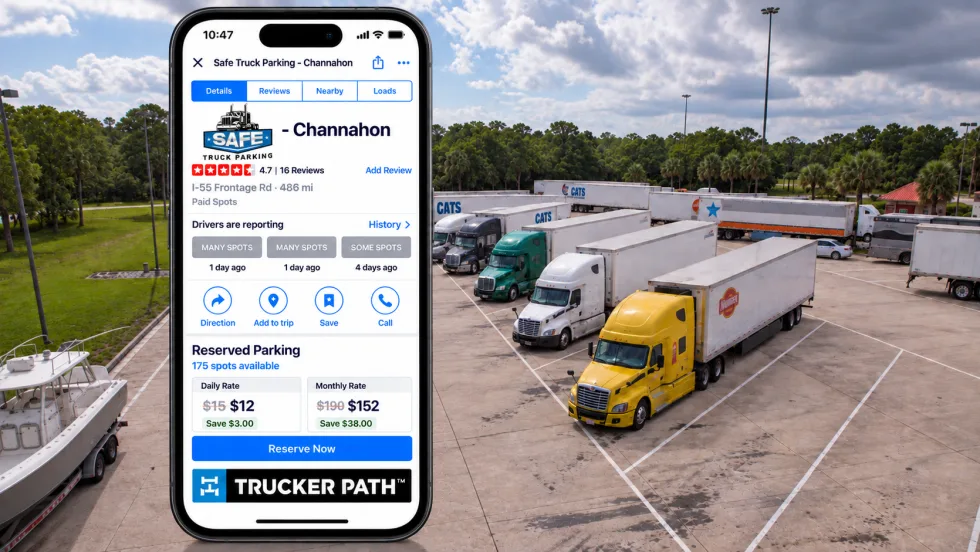
Trucker Path Expands Reserved Parking Network
Trucker Path has added close to 6,000 more truck parking spaces to its Trucker Path Reserved Parking Network with the addition of Safe Truck Parking.
Read More →
EEOC Sues Texas Trucking Company Over Driver Age Limits
The agency says Trancasa USA rejected applicants over 65 and applied tougher driving-record standards to those over 60.
Read More →
Nussbaum, Roehl Announce Second Driver Pay Increase This Year
This year has seen a swath of major truck driver pay increases as freight capacity has tightened.
Read More →
From One Generation to the Next: How Mentorship Builds Safer Truck Drivers
After three decades in trucking, Harold Perry shares what he's learned about driver safety, mentorship, and helping the next generation build confidence behind the wheel.
Read More →
Truck Drivers Need More Than Another Alert
Fleets have more visibility into truck health, safety events, and driver activity than ever. The next challenge is turning all that information into useful guidance for the person who has to decide what to do next.
Read More →
FMCSA Removes 110 Truck Driver Training Schools from Certified ELDT List
Federal regulators also are targeting more than 160 additional training providers and launching a nationwide audit of third-party CDL skills testers as part of a broader crackdown on trucking fraud.
Read More →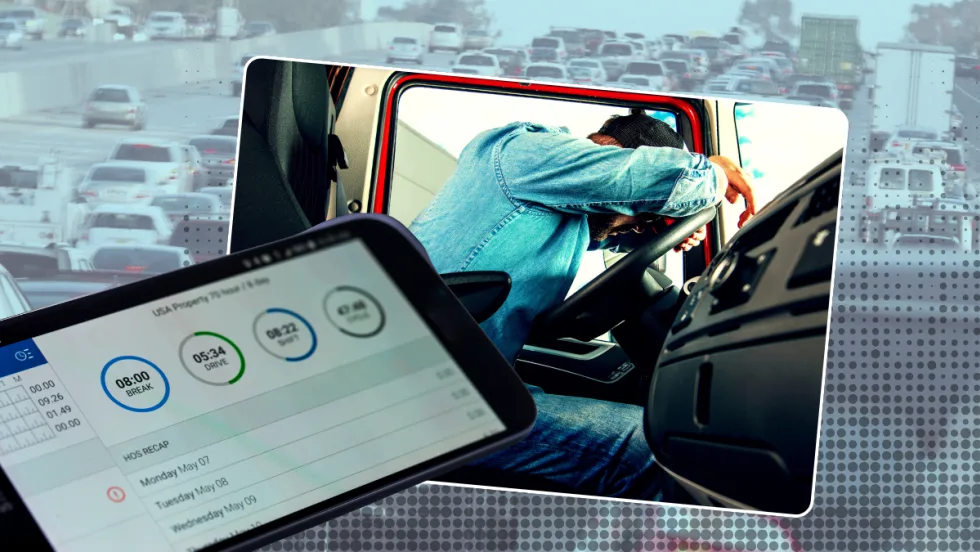
Hours of Service Pilot Programs: FMCSA Readies for 2027 Rollout
Two pilot programs could eventually reshape hours-of-service rules, giving truck drivers options to pause their 14-hour clock or use longer split sleeper rest periods.
Read More →