




NYC Congestion Pricing to Start in June — Or Will It?
New York City’s controversial congestion-pricing program is set to begin June 30 — unless one of several legal challenges blocks or delays its implementation.

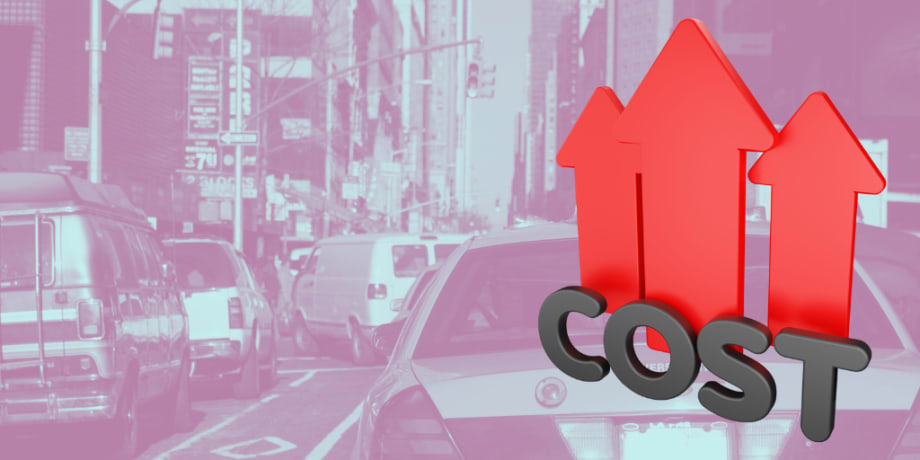
MTA projects the toll will result in 100,000 fewer vehicles entering the Congestion Relief Zone every day.
Image: HDT Graphic
New York City’s controversial congestion-pricing program is set to begin June 30 — unless one of several legal challenges blocks or delays its implementation.
The new Central Business District Tolling Program, the country’s first congestion pricing program, will begin in the Congestion Relief Zone early on Sunday, June 30, at 12:01 a.m.
Under the program, most passenger cars will be charged $15 a day to enter the “congestion zone” in Manhattan. Trucks and buses will pay a toll of $24 or $36 during the peak period, depending on their size and function, and $6 or $9 during the overnight period.
According to the New York Times, the plan faces six lawsuits in federal courts in New York and New Jersey, so court rulings could possibly delay or block it going into effect.
Trucking Association Calls NY Congestion Toll Plan 'Reckless'
In late March when the plan was made official (but before an implementation date was announced), the Trucking Association of New York issued a statement from President Kendra Hems.
“We are extremely disappointed by the MTA’s reckless decision to implement a congestion pricing policy that fails to prioritize essential cogs in New York City’s economic engine, including the trucking industry that moves nearly 90% of goods in the five boroughs.
“It did not have to be this way. The MTA could have chosen to exempt the supply chain from its plan, attempted to find a middle ground by introducing pricing parity with passenger vehicles, or even implemented a once-a-day cap on charges to trucks — all options we have repeatedly presented to senior leadership.”
More Details About Manhattan's Congestion Pricing Program
Manhattan below 60 St is one of the most congested districts in the United States, according to the Metropolitan Transportation Authority, with average traffic speeds of just 7 mph.
MTA projects the toll will result in 100,000 fewer vehicles entering the Congestion Relief Zone every day, resulting in less traffic and cleaner air, while providing $15 billion in funding for transit investments.
Tolling infrastructure has been installed across 108 locations. Drivers will be charged a toll on their E-ZPass to enter the Manhattan CBD. This includes streets in Manhattan below 60 Street.
Drivers without E-ZPass will be mailed a toll bill to the address of the registered vehicle.
The toll does not apply to FDR Drive, West Side Highway, and Hugh L. Carey Tunnel connecting to West Street. However, you will be tolled if you exit from an excluded roadway onto a street within the CBD.
There will be a 30-day testing phase and a 60-day public information campaign before the start of toll collection. By law, the first 60 days, only the established tolls will be collected. There will be no additional fees, charges, or fines.
A credit will reduce Congestion Relief Zone tolls for vehicles using a valid E-ZPass and entering during the peak period via one of the four tolled entries: Lincoln Tunnel, Holland Tunnel, Queens-Midtown Tunnel, and Hugh L. Carey Tunnel. The credit amount will be up to $12 for small trucks and charter buses, and up to $20 for large trucks and tour buses.
No crossing credits will be offered overnight, when the toll will be reduced by 75% from the peak period toll.
More Fleet Management

How Telematics Improves Visibility, Control, and Performance in Refrigerated Fleets
Explore how telematics help refrigerated fleets improve visibility, uptime, efficiency, compliance, and cargo protection across connected cold chain operations.
Read More →
What the U.S.-Canada Trade War Means for Trucking
Escalating U.S.-Canada tariffs could disrupt cross-border freight, reduce truck volumes, raise costs, and create new uncertainty for carriers on both sides of the border.
Read More →
What Are Trucking’s Top Concerns for 2026?
The American Transportation Research Institute wants to know what's worrying trucking fleet managers, drivers, and other stakeholders in its annual Industry Issues survey.
Read More →

American Trucking Associations Looks for a New Leader
ATA President and CEO Chris Spear abruptly left his job at the association on August 21, at a pivotal time for the trucking industry.
Read More →
Public Wi-Fi Cybersecurity Risks: How Truck Drivers and Fleets Can Protect Their Data
Public Wi-Fi can expose truck drivers and fleets to credential theft, malware, and other cyber threats. Here’s how to reduce the risk on the road.
Read More →
For Nicky Cupp, Fleet Innovation Starts With Frustration
HDT Truck Fleet Innovator Nicky Cupp turns everyday pain points at Fraley & Schilling into opportunities for better technology and smarter processes.
Read More →
Adam Buttgenbach’s Approach to Electric Trucks: Start With Where They Fit
HDT Truck Fleet Innovator Adam Buttgenbach helped PepsiCo build one of North America’s largest EV fleets by focusing on where electric trucks make operational sense.
Read More →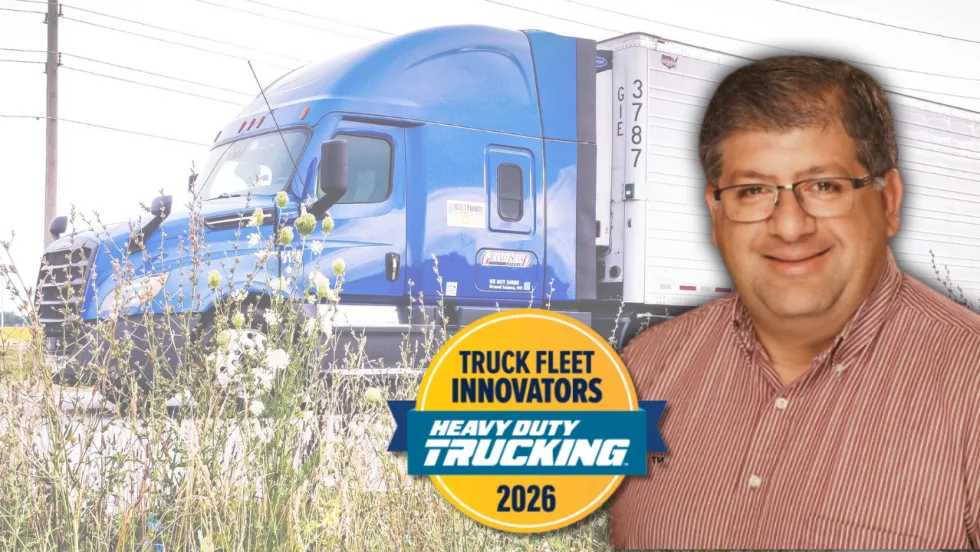
Deen Albert: Let Automation Do the Math, People Make the Decisions
HDT Truck Fleet Innovator Deen Albert makes sure people are still at the heart of operations at Grand Island Express, even while adopting artificial intelligence tools. AI-assisted dispatch helped boost revenue 25% with the same number of trucks.
Read More →
Trimble’s New AI Agent Takes Aim at Fleet Back-Office Busywork
Arc Agent works across Trimble TMS products to automate repetitive tasks such as freight orders, maintenance, invoices, fuel costs and more.
Read More →
How HDT’s 2026 Truck Fleet Innovators Are Rethinking Fleet Operations
Meet five trucking leaders who are challenging assumptions, solving operational problems, and putting innovative ideas to work.
Read More →