




New Study Says ‘Don’t Jump’!
Sept. 22 — Every day, thousands of truck drivers risk injuring their ankles, knees and lower back by jumping from their cabs or trailers without using grab rails and steps, according to a recent study
Sept. 22 — Every day, thousands of truck drivers risk injuring their ankles, knees and lower back by jumping from their cabs or trailers without using grab rails and steps, according to a recent study completed by the Liberty Mutual Research Center for Safety and Health in Hopkinton, MA.
Using steps and rails can reduce the impact forces to a trucker’s body by 75% to 80%, the research found. When drivers exit a conventional tractor without grab rails and steps, the force of impact averages more than seven times their body weight and reaches as high as 10 times body weight. If they use rails and steps, the forces are less than two times body weight on average. Numbers were similar for cabover tractors and trailers.
In the study, 10 male drivers performed more than 400 exits from the cabs and backs of five commonly used commercial vehicles, including cabover and conventional tractors, a cube van and a box trailer. Drivers exited the vehicles under various conditions, both with and without using grab rails and steps, while researchers measured foot-to-surface impacts.
More Safety & Compliance
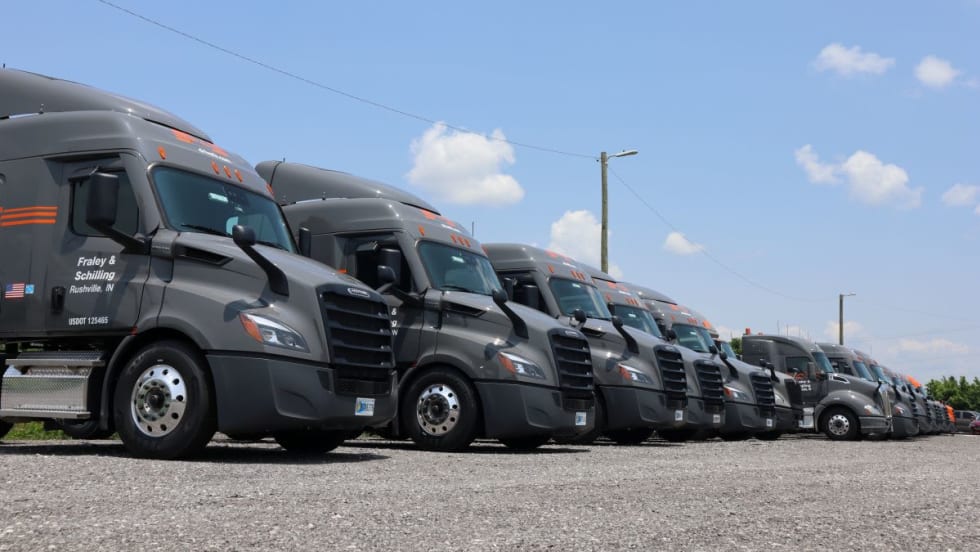
How Fraley & Schilling Improved Logbook Compliance by Over 50%
Fraley & Schilling needed a way to close a compliance workflow gap in its ELD system without adding more work from driver training, reminders, and back-office follow-ups. It found the answer in a custom driver app.
Read More →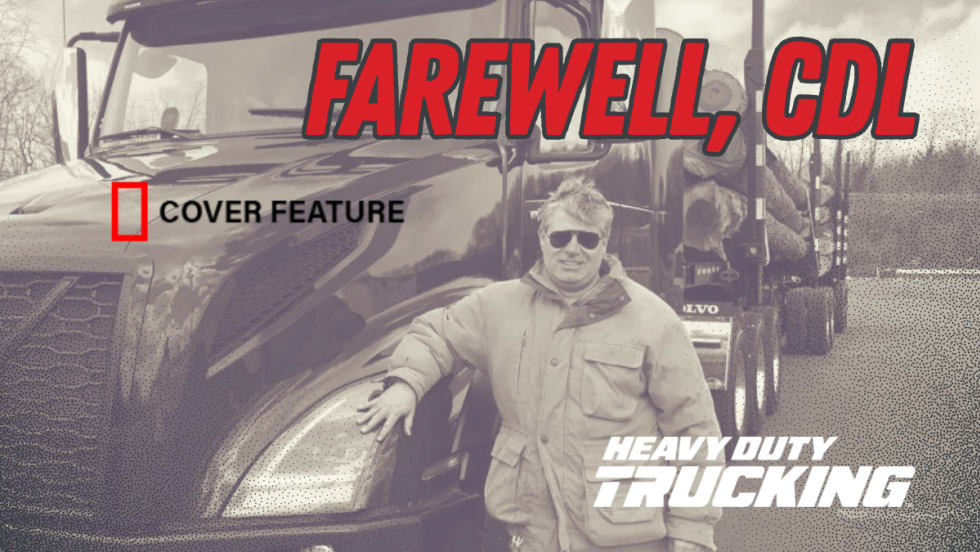
Farewell, CDL: Why I'm Giving Up My Commercial Driver's License
After more than 20 years as a CDL holder, HDT Executive Editor Jack Roberts is letting his commercial license expire. Not because he wants to — but because trucking's nuclear verdict crisis has made the risks of public-road test drives too great for editors, manufacturers, and everyone involved.
Read More →
Enhance Fleet Performance with High-Efficiency Auxiliary Power Units
Drive sustainable cost savings while increasing driver comfort during short- and long-haul logistics operations.
Read More →

Wabash Trailers Recalled for Improperly Installed Underride Guards
More than 900 Wabash dry van trailers may not comply with the Federal Motor Vehicle Safety Standard for rear impact guards.
Read More →
Why K&B Trucking Is Embracing AI and Driver Safety Technology
Crunching data and embracing artificial intelligence are key in K&B Trucking's safety efforts, says the company's safety director.
Read More →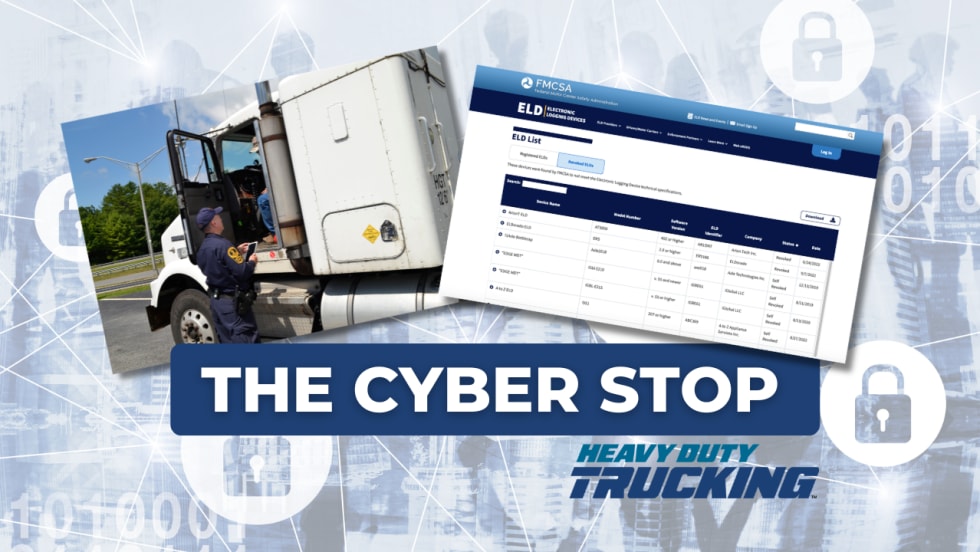
The Hidden Problem Behind FMCSA's ELD Revocations
NMFTA researchers say dozens of registered ELDs may be built on the same software platforms, allowing compliance and security concerns to persist even after individual devices are removed from the market.
Read More →
ATRI Wants Motor Carriers for Driver-Facing Camera Study
In this new study, the American Transportation Research Institute will explore how driver-facing cameras can impact safety and operational metrics in trucking fleets.
Read More →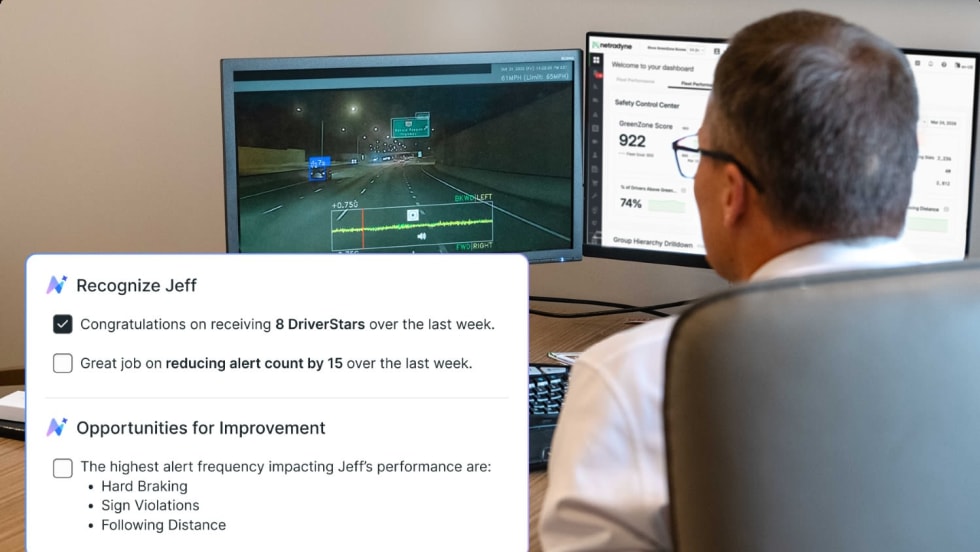
Netradyne Intelligence Uses New AI Agents to Automate Response to In-Cab Camera Data
The company called the next-generation in-cab camera safety platform "a fundamental shift from systems that report on what happened to systems that actively drive what should happen next."
Read More →Mack, Volvo Issue ‘Do Not Drive’ Recall on Possible Wheel-Offs
Owners will be sent advance notice not to operate their affected vehicles until the remedy is performed.
Read More →
Fleetworthy Integrates Lytx Video Snapshots into Safety+ Platform
A new Fleetworthy-Lytx integration gives fleet managers access to video context alongside safety event data, streamlining driver coaching and incident review.
Read More →