




New Rail Giant Targets Long-Haul Truckload Carriers
A proposed merger between two railway giants could mean long-term increased competition for truckload carriers
A proposed merger between two railway giants could mean long-term increased competition for truckload carriers.
North American Railways Inc., the proposed parent of Burlington Northern Sante Fe and Canadian National Railway Company, would be North America's largest rail system with 50,000 miles of track covering the continent except the U.S. Atlantic seaboard. The new railroad would be a huge cross-continent and north-south single line service, posing a threat to long haul truckload carriers.
The north-south routes are on the Pacific Coast and the Mississippi. Midwestern and western shippers would get single line access to Halifax, the closest deep-water port to Europe.
The CEOs of both railroads told the merger announcement meeting that they expect to become more truck competitive and to begin to reverse their falling market share in transportation revenue. CN CEO Paul M. Tellier said that the railway share has fallen from 33% to 12% of North American truck/rail revenues since 1960.
How serious is this threat? Four recent big rail mergers all made the same promise but instead drove some of their existing customers from intermodal to truck with unreliable deliveries. Burlington Northern bought Sante Fe in 1995. Union Pacific bought Southern Pacific in 1996. Norfolk Southern and CSX bought Conrail in 1998 and Canadian National bought Illinois Central earlier this year.
Motor carriers should assume that the railroads will eventually learn to operate their merged lines as a single system and become more truck competitive. Investors appear to expect this to be a tough task to accomplish. Burlington Northern Sante Fe (BNI) shares fell more than 10% after the announcement. CN shares fell several percent on the Toronto exchange.
Robert D. Krebs, the CEO of Burlington Northern Sante Fe, said the partners had identified $7 billion of truck and rail freight they could divert to the new line. They expect to divert 10% of this quickly. This is an ambitious target. If they achieve it, this would be a $400 million shift from truckload carriers to rail, equivalent to about 8% of all U.S. truck tonnage shipped more than 500 miles. It would amount to about one-half of one percent of truckload revenues and would represent about one eighth to one tenth of the expected annual freight volume growth in the next few years.
Carriers have more than a year to get ready for this new intermodal competition. Regulatory review in both countries is expected to keep the merger on hold until the summer of 2001. It will be a long ugly process. Canadian nationalists, U.S. farm belt shippers and more than dozen labor unions will all try to extract some special privileges in the process. And U.S. regulators are nervous about another mega merger before shippers' complaints from the previous mergers are resolved.
The proposed merger signals that railroads still believe that they can take market share back from trucks as soon as they lean how not to lose track of their freight cars.
More Fleet Management
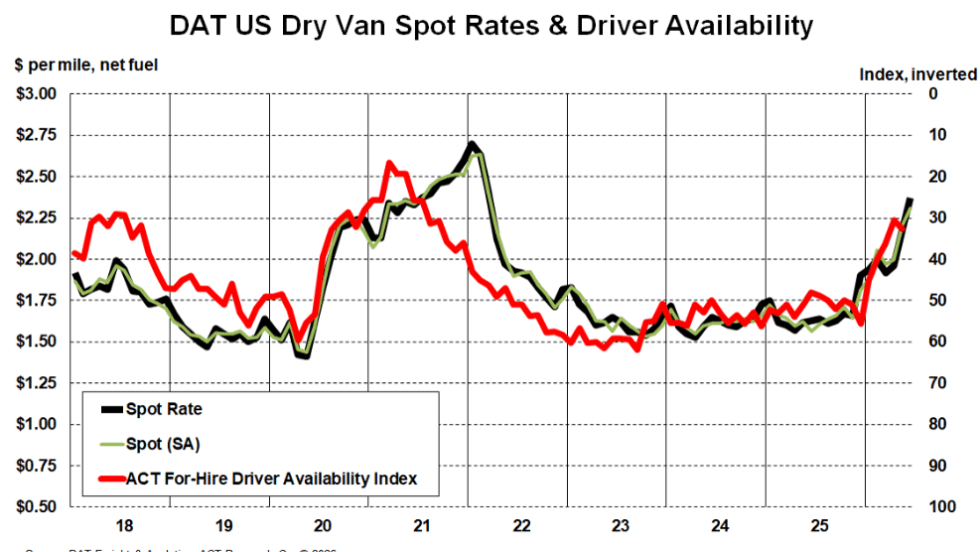
Truckload Rates Keep Rising as Tight Capacity Fuels Freight Market Recovery
Spot and contract rates continued climbing in May and June, not because freight demand is surging, but because fewer trucks and drivers are available.
Read More →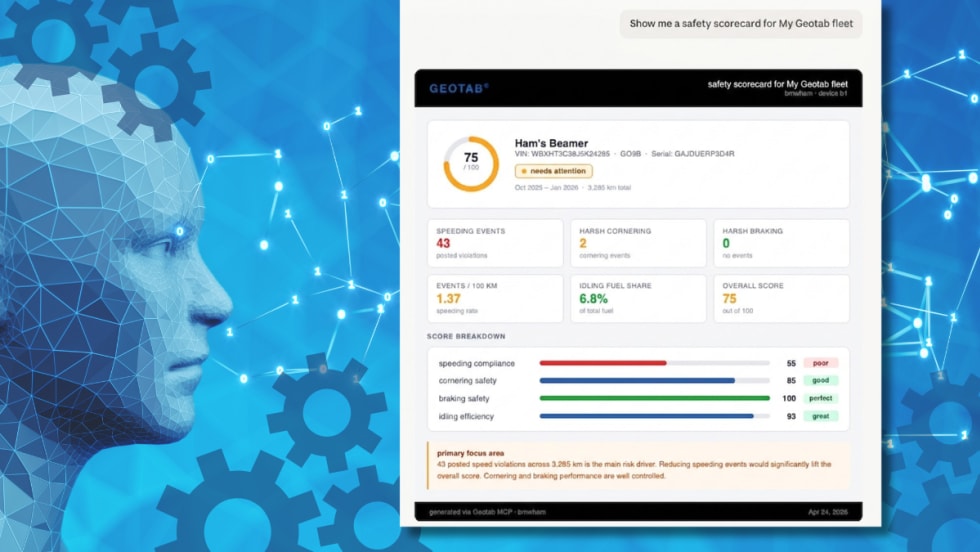
What Geotab's New AI Connector Means for Fleets
Fleets can now ask their usual AI assistants questions about maintenance, safety, fuel use, and vehicle performance, using their live Geotab data, and take action on the answers without leaving their preferred AI tool.
Read More →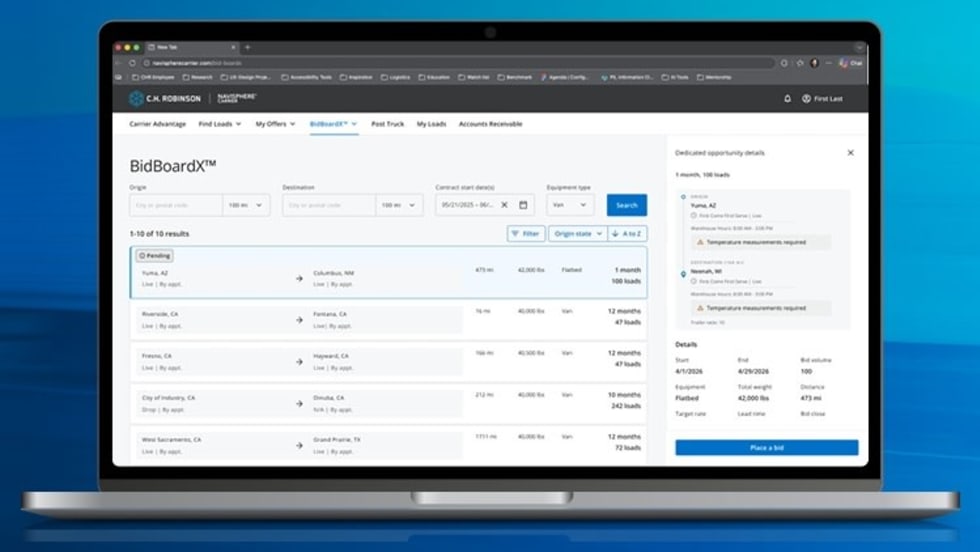
New C.H. Robinson Tool Opens Door to More Predictable Freight
BidBoardX lets carriers search, bid on, and secure committed freight opportunities through a single digital marketplace.
Read More →

New York City's Microhub Project is Delivering Results
Trucking, last-mile delivery companies, and environmental advocates like what they are seeing so far with New York's microhub program.
Read More →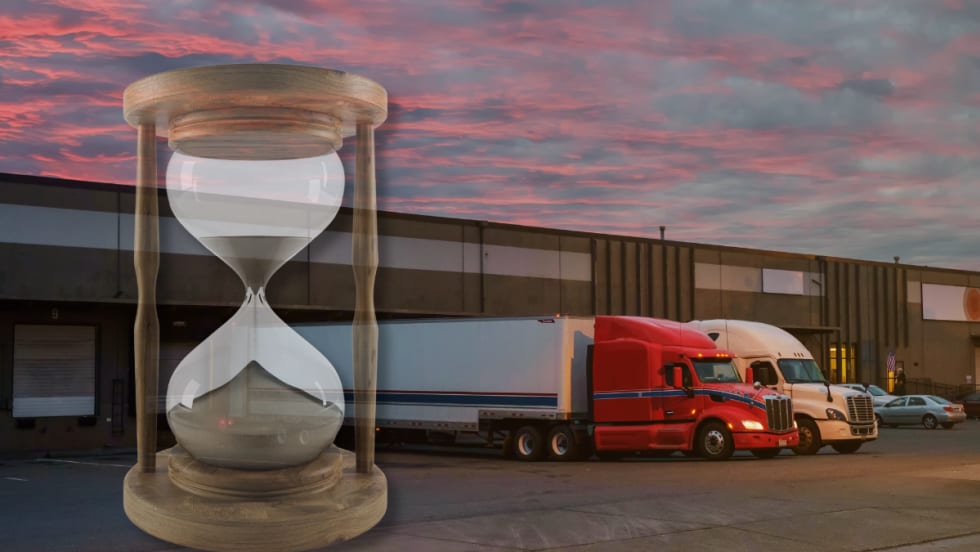
Why Truck Detention Keeps Costing Fleets Time and Money
A 2024 ATRI study found detention affects nearly 40% of truckload stops and costs the industry more than $15 billion annually. Despite the toll on drivers, fleets, and supply chains, the problem remains stubbornly persistent.
Read More →
Time is Running Out to Apply for Exclusive HDT Event
Heavy Duty Trucking Exchange brings fleet managers and suppliers together for the deeper conversations that lead to ideas, partnerships, and solutions. Time is running out to apply for the September event.
Read More →
Amazon Launches Less-Than-Truckload Freight Offering for All Businesses
This launch is the latest addition to Amazon Supply Chain Services, a portfolio of supply chain capabilities from Amazon, including freight, distribution, fulfillment, and parcel shipping.
Read More →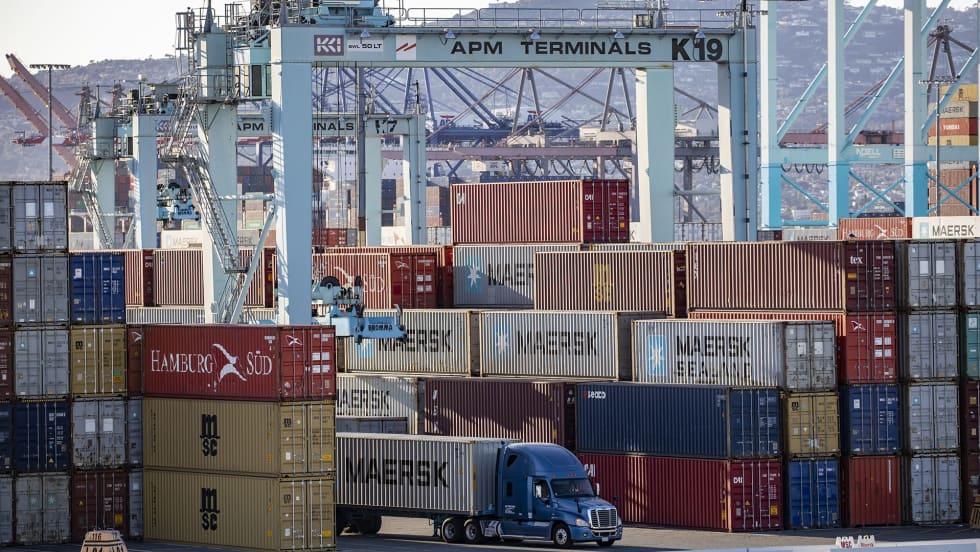
Import Cargo Volume to See Year-Over-Year Gain Again in June, Then Remain Below 2025 Levels Into Fall
After July, the report predicts a weakening in import volume as consumer uncertainty remains high and the impact of increasing inflation takes its toll.
Read More →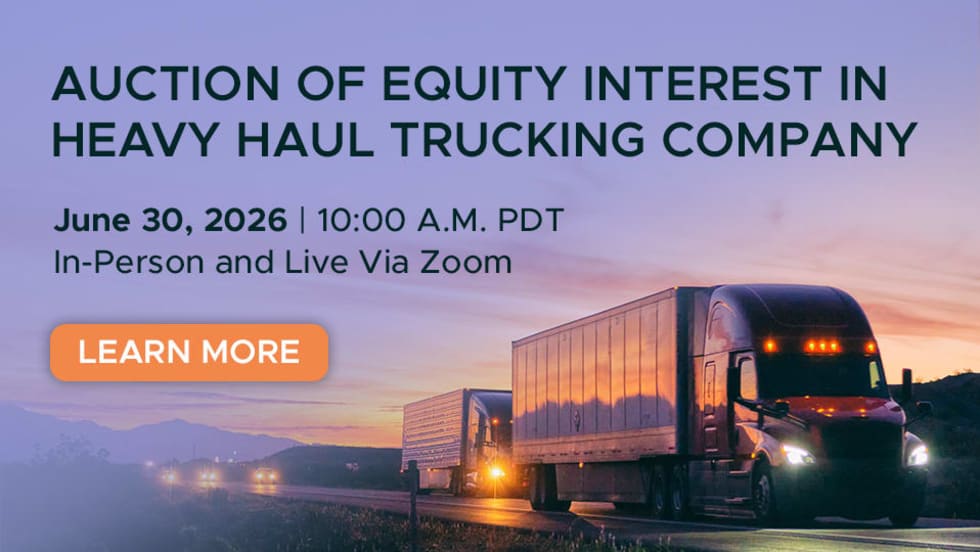
AUCTION OF EQUITY INTEREST IN HEAVY HAUL TRUCKING COMPANY!!
Mark your calendar: June 30, 2026 (10:00 a.m. PDT). A 37.5% ownership interest in MagnaTrans, LLC, a California limited liability company doing business as Magna Transportation Group, will be sold in an in-person and online auction to the highest bidder or bidders under Article 9 of the Uniform Commercial Code. The Rancho Cucamonga-based heavy haul and over-dimensional trucking company operates across California, Oregon, and Arizona.
Read More →
Volvo Trucks Adds Unattended Over-the-Air Software Update Capabilities
The latest evolution of Volvo’s over-the-air update technology allows software updates to run while trucks are parked, helping fleets keep vehicles current without disrupting operations.
Read More →