




NACFE Announces Run on Less Regional Fleets and Drivers
The North American Council for Freight Efficiency has released the 10 fleets and drivers that will be participating in its Run on Less Regional Challenge in October, as well as a series of educational webinars focusing on emerging trucking technologies.

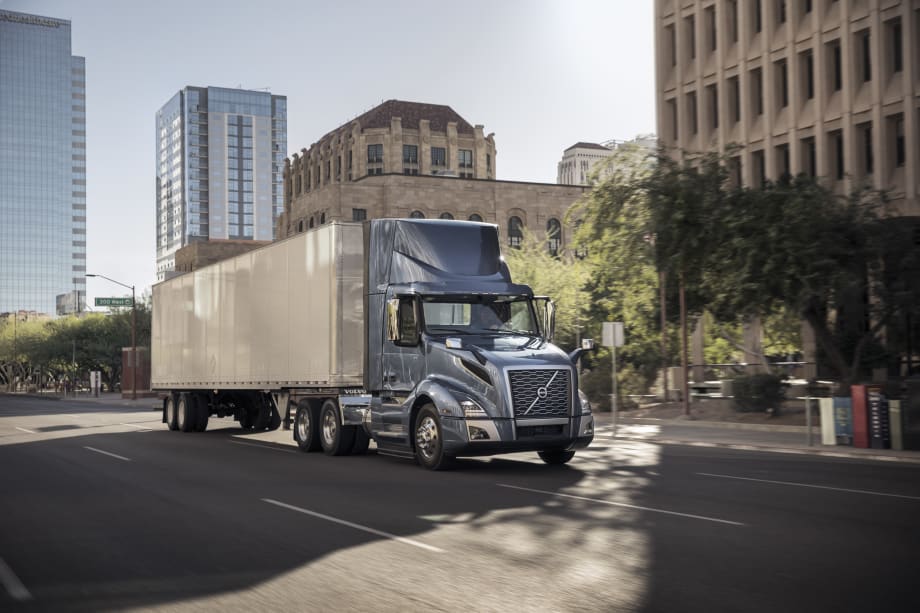
Regional haul trucks now account for 45% of Class 8 truck sales in North America, which prompted NACE's upcoming Run on Less Regional fuel economy challenge.
Photo: Volvo Trucks North America
With less than a month to go before the trucks start rolling, the North American Council for Freight Efficiency (NACFE) has released the names of the fleets and drivers that will be participating in its first-ever Run on Less Regional fuel efficiency challenge. NACFE also released basic specs regarding the equipment each driver will use during the event.
Run on Less Regional will kick off on Oct. 7, 2019 and run until Oct. 25, 2019, with a follow-on finale taking place in Atlanta ahead of the 2019 North American Commercial Vehicle Show (NACV). NAFCE will release the results from Run on Less Regional at a press conference in Atlanta on Sunday, Oct. 27, 2019.
Ten drivers have been selected to participate in Run on Less Regional, a fuel efficiency roadshow sponsored by Shell, the North American Council for Freight Efficiency (NACFE), and Rocky Mountain Institute (RMI). The drivers — working for C&S Wholesale Grocers, Hirschbach, Hogan Transportation, J.B. Hunt, Meijer, PepsiCo, Ploger Transportation, Schneider, Southeastern Freight Lines and UPS — will drive trucks equipped with a variety of technologies that improve fuel efficiency.
The 10 fleets participating, the drivers and the equipment they will be running during the Run on Less Regional Challenge include:
C&S Wholesale Grocers
Louis Scaruffi, 42 years driving
2019 Volvo VNR day cab with Volvo D13 engine
Hirschbach
Mark Casey, 1 year driving
2019 Freightliner Cascadia sleeper with Detroit DD15 engine
Hogan Transportation
Glen Williams, 30 years driving
2020 International LT day cab with Cummins X15 engine
J.B. Hunt
Dustin Whitener, 11 years driving
2019 International LT sleeper with Cummins X15 engine
Meijer
Rita Bare, 20 years driving
2019 Freightliner Cascadia with Detroit DD13 engine
PepsiCo
Lou Martinez, 14 years driving
2019 Peterbilt 579 day cab with PACCAR MX-11 engine
Ploger Transportation
Travis Lauer, 4 years driving
2018 Volvo VNR sleeper with Volvo D11 engine
Schneider
Michael Tam, 2 years driving
2019 Freightliner Cascadia sleeper with Detroit DD15 engine
Southeastern Freight Lines
Beau White, 36 years driving
2019 Kenworth T680 day cab with Cummins X15 engine
UPS
Darin Salgado, 32 years driving
2019 Kenworth T680 day cab with Westport 12G engine
“The 10 drivers who are participating in Run on Less Regional have shown that fuel efficiency is as important in regional operations as it is in long-haul, over-the-road trucking,” says Mike Roeth, NACFE’s executive director. “We are pleased that these drivers have agreed to participate in the Run to show all of us how they can get great fuel economy despite some of the challenges of regional haul including traffic, multiple stops, construction, etc.”
The trucks will be equipped with a variety of different technologies and, as each fleet selects its own combination of technologies to achieve its fuel efficiency goals, no two trucks will be the same. Check out the Meet the Fleet videos on the Run on Less Regional website to learn more about the trucks and drivers.
Roeth said that 45% of all new Class 8 trucks sold today are spec’d for regional haul, highlighting the importance of this market segment. “And while we will be focusing on technology and practices in use today,” he added, “regional haul is where we will likely see early adoption of cutting-edge technologies such as electric trucks or hydrogen fuel cells.”
One aspect of this challenge, compared to the 2017 Run on Less Highway Challenge, is the nature of regional haul applications and the wide array of specs that reflect them, Roeth added. “Because of their need for enhanced maneuverability, regional haul trucks have much wider trailer gaps than long-haul tractor-trailers,” he said. “So we’ll see how a new gap closure system on the UPS truck helps overcome that disadvantage. And we have another driver in the competition who has to change trailers six times a day, every day they run. So issues like those can make fuel efficiency challenging.”
On the other hand, Roeth noted, regional haul has a significant tailwind in that many regional haul routes are consistent on a day-to-day or weekly basis. “All of these 10 drivers tell us they appreciate the commonality and predictability of their routes,” he said. “So that helps them quite a bit because they don’t have to deal with the unknowns and endless variety like long-haul fleets and drivers do.”
During the Run, Roeth announced, NACFE will be hosting three technology days during which experts will share thought leadership on the following subjects in webinars:
Hydrogen — October 8
Connectivity— October 15
Commercial battery electric vehicles — October 23
Information on the dates and times of each webinar can be found here.
“We are honored to be the title sponsor for Run on Less Regional,” says Oliver Bishop, general manager of Shell Hydrogen. “NACFE is helping us better understand regional movement of freight, demonstrating the technologies and practices of the best fleets, and providing insights into future game-changing opportunities with technology days.”
More Fuel Smarts
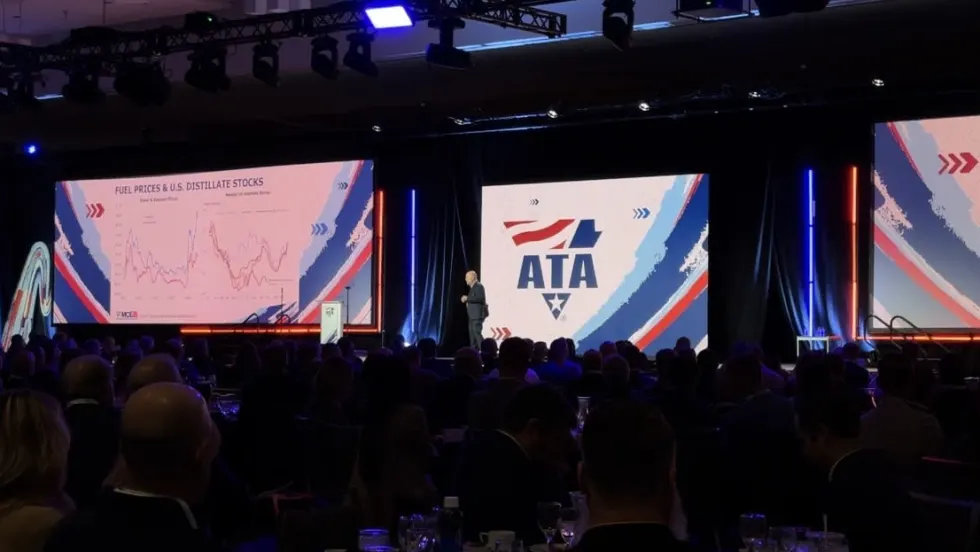
Trucking’s Diesel Squeeze Isn’t Letting Up
With diesel topping $6 a gallon nationally, ATA's Bob Costello explains why fleets should prepare for continued pressure at the pump.
Read More →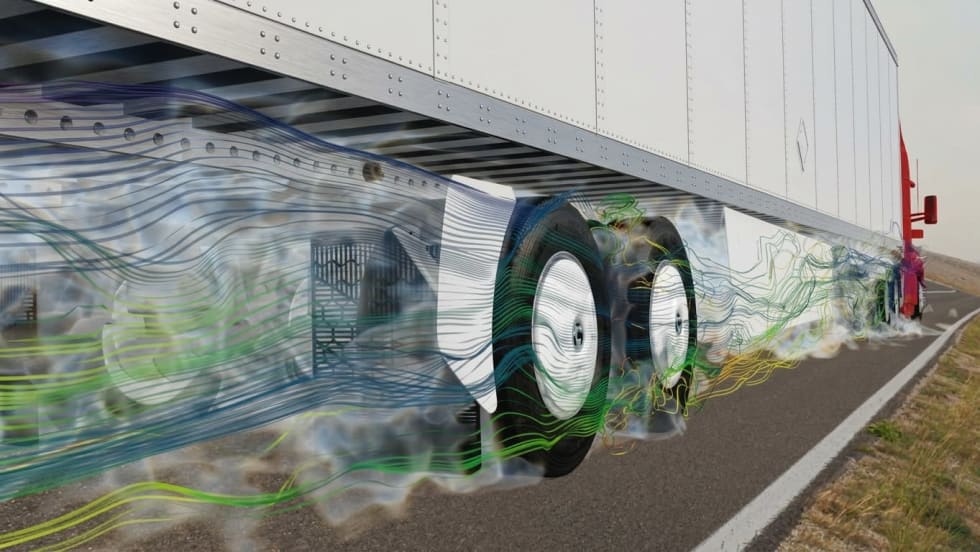
FlowBelow Redesigns Trailer AeroSlider to Cut Fuel Use
The lighter trailer aerodynamic system installs in less than 45 minutes, according to the company, with potential payback in under a year depending on fuel prices and trailer mileage.
Read More →
Why Diesel Price Relief Efforts May Fall Short
Diesel prices have eased from September’s record high, but doubts about additional Russian supply and limits on dyed-diesel tax relief mean trucking fleets still face expensive fuel. And prices could go higher.
Read More →
Why Small Fuel Savings Matter in Trucking
Can better fuel economy help pay for driver raises? In this podcast, GP Transco explains how small efficiency gains create room to reinvest in its people.
Read More →
How GP Transco Cuts Trucking Fuel Costs, a Tenth of a Gallon at a Time
What’s another tenth of a mile per gallon worth? GP Transco shares how equipment upgrades and driver coaching turn small gains into meaningful fuel savings.
Read More →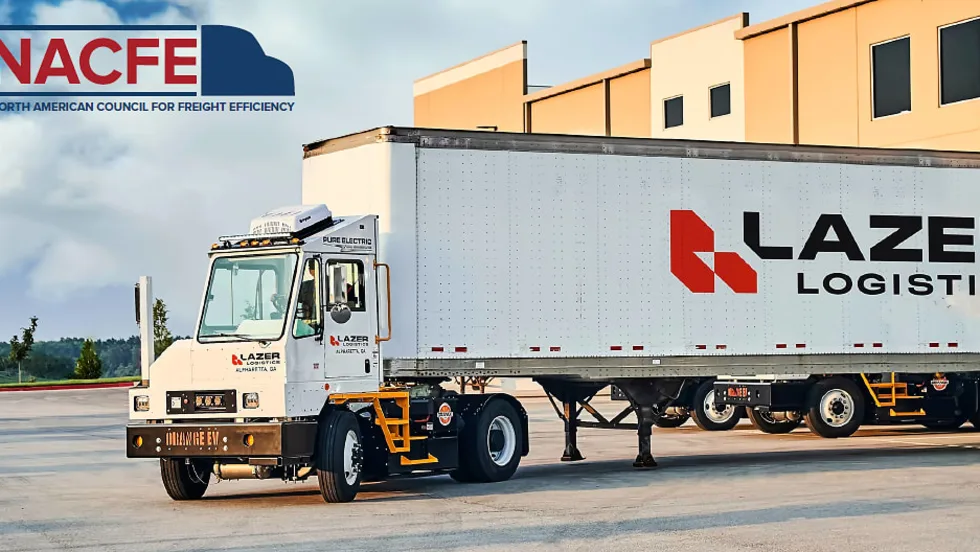
Electric Yard Tractors Move Beyond Pilots
Operating-cost savings have overtaken sustainability goals as the leading reason surveyed fleets are adopting battery-electric terminal tractors, according to new NACFE research.
Read More →
Geotab Links Fleet Card to Vehicle Data
The new card combines fuel discounts with telematics-based purchase controls. Geotab’s analysis also points to potential savings from choosing lower-priced fuel stops.
Read More →
Fleet Economics Shape Electric Truck Outlook
ACT Research expects costs, charging infrastructure, and technology improvements to drive zero-emission commercial vehicle adoption as federal regulations and incentives retreat.
Read More →
Wex Adds Cardless Fuel Payments for Over-the-Road Customers
A new fuel card feature for Wex customers offers convenience and security.
Read More →
New California Law Could Shed Light on Electric Truck Prices
Why do battery-electric Class 8 trucks remain so expensive? A California bill signed by Gov. Gavin Newsom would give fleets and state agencies more visibility into what manufacturers charge.
Read More →