




MSNBC Laments Owner-Operators' Plight
A report last weekend on MSNBC's web site focused on what it called a "grim future" for truck owner-operators
A report last weekend on MSNBC's web site focused on what it called a "grim future" for truck owner-operators.
The report, by MSNBC Contributor Bonar Menninger, opened by introducing the reader to Dave Drennen, a 51-year-old owner of a 1983 Autocar interviewed at a truckstop in Oak Grove, Mo. "After nearly 30 years as an independent owner-operator, Drennan has serious doubts" if he can stay in business, writes Menninger.
The report says that many of the country's owner-operators "are being forced into the breakdown lane by a bitter convergence of economic and regulatory factors." Those include the new hours of service proposal, low rates, cutthroat competition and higher costs, especially fuel.
Mike Belzer, an economist at the University of Michigan and author of the controversial book "Sweatshops on Wheels," told MSNBC that many independent long-haul drivers now earn less than half of pre-deregulation wages.
"The fundamental problem is that independents are price-takers in a highly competitive industry," Belzer told MSNBC. "They don't have the market power to set prices, because there is always someone at the margin that is willing to take a load for a little bit less."
Messinger also interviewed Todd Spencer, executive vice president of the Owner-Operator Independent Drivers association, who told him, "You can do everything right, but that's still no assurance you won't end up in the poor house."
In the section on the controversial hours-of-service proposal, Menninger interviewed safety advocates such as Parents Against Tired Truckers and Advocates for Highway and Auto Safety. Jerry Donaldson with Advocates told him, "As far as I'm concerned, independents are the last reservoir of early 20th century exploited labor. The analogy I use is they're rolling coal miners."
You can read the entire story at MSNBC's web site.
More Fleet Management
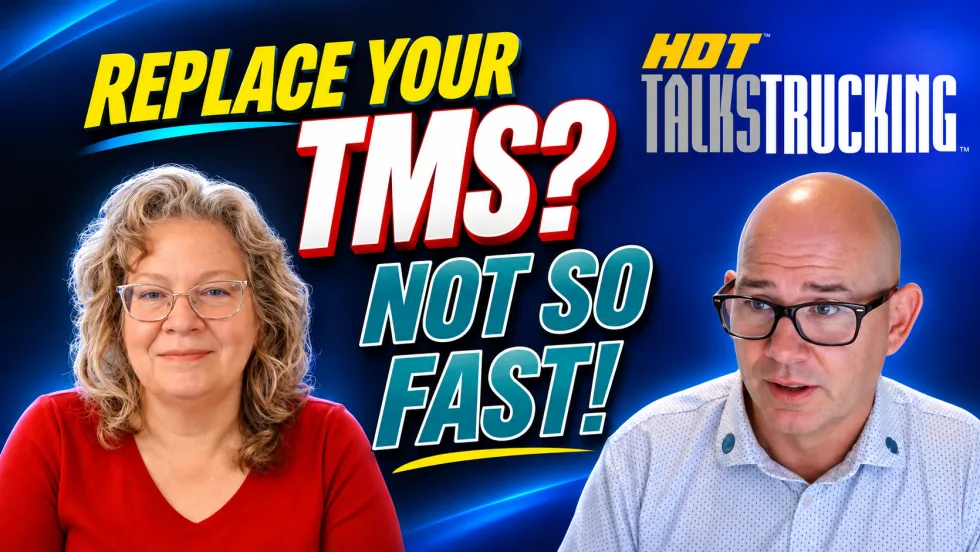
Does Your Trucking Fleet Need a New TMS? [Video]
Cloud technology, AI and new integrations are changing what transportation management systems can do. But does taking advantage of those advances mean replacing your existing TMS?
Read More →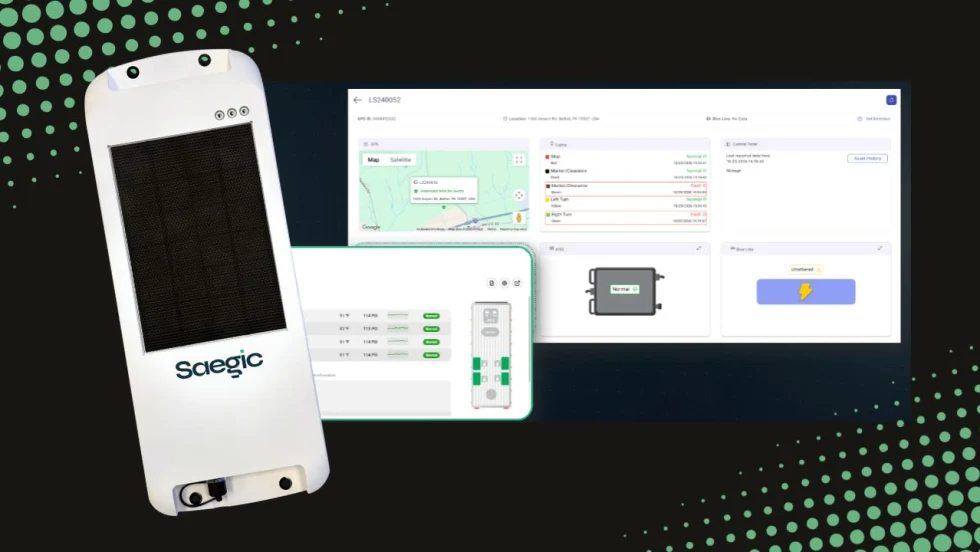
Road Ready Becomes Saegic, Launches New Trailer Telematics Gateway
Clarience Technologies is rolling out new hardware and expanding its plans for connecting trailer telematics, maintenance data, and video.
Read More →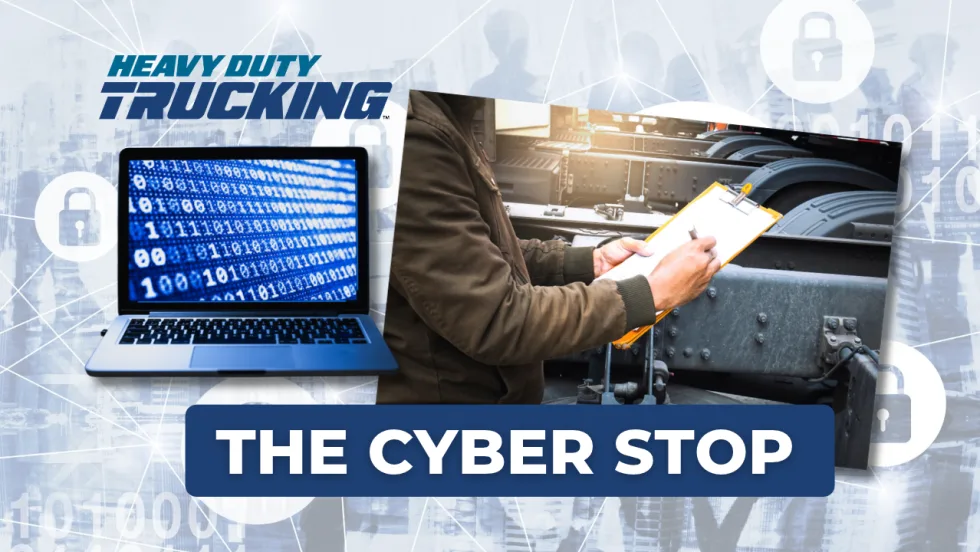
Give Your Trucking Fleet a Cybersecurity Walkaround
Your fleet's cybersecurity policies may look good on paper. These seven checks can help you find out whether they’re working.
Read More →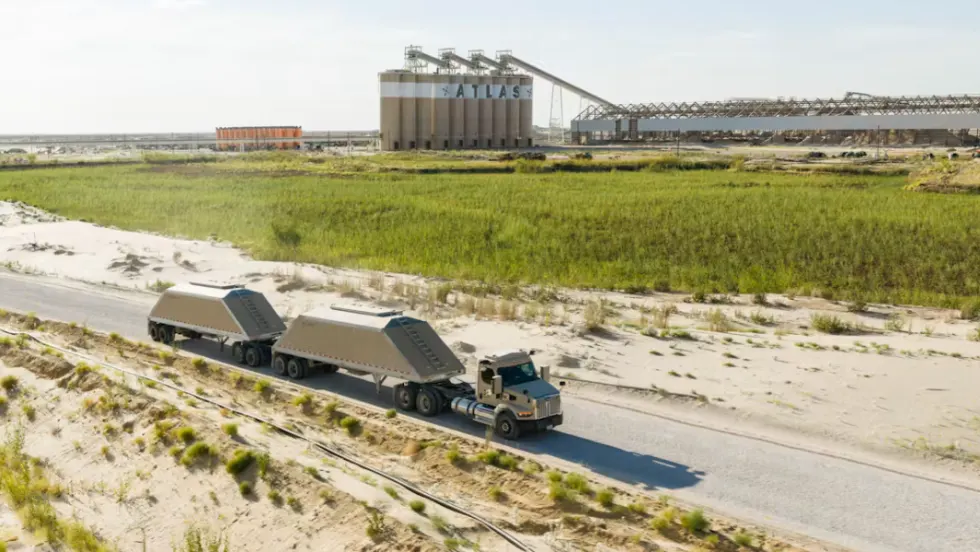
Kodiak Lines Up Fleets for Driverless Trucking
An agreement for 75 trucks, a new Texas freight lane, and progress on safety validation move Kodiak closer to its planned driverless highway launch.
Read More →
ITS Logistics Settles Religious Harassment Case
The Nevada-based logistics firm agreed to pay more than $396,000 to settle a religious harassment charge involving an employee's Jewish identity.
Read More →
Your Trucks Are Busy. That Doesn’t Mean They’re Winning.
High utilization doesn’t always mean strong margins. Looking beyond the current load can help fleets make better dispatch decisions and get more value from each truck’s time.
Read More →
Why This Trucking Recovery Is Different
Freight demand remains sluggish, but rising costs and tougher enforcement have taken enough capacity out of the market to change the outlook for motor carriers.
Read More →
Platform Science Adds Dispatch and Safety Tools
Four additions to PS Fleet help fleets monitor loads, manage driver coaching, share truck locations and adjust video system settings.
Read More →
PrePass Intelligence Mines Fleet Bypass, Toll and Safety Data
PrePass Intelligence helps fleets measure bypass savings, flag potential toll overcharges, and spot suspicious transactions by combining data from separate systems.
Read More →
Motive Adds AI Agents for Fleet Operations
New tools automate follow-up on fleet data, from maintenance work orders to driver alerts, with two-way voice conversations planned for later this year.
Read More →