




More Evidence on the Impact of Fatigue
Fatigue has been a hot issue for the trucking industry lately. Now, for the first time, researchers have been able to take a direct accounting of the mental toll exacted by a sleepless night, reports the
Fatigue has been a hot issue for the trucking industry lately. Now, for the first time, researchers have been able to take a direct accounting of the mental toll exacted by a sleepless night, reports the Los Angeles Times.
By monitoring mental activity of sleep-deprived volunteers as they struggled to perform simple mental tasks, scientists discovered that sleep deprivation dramatically affects how the brain functions.
"The sleepy brain is very different from the rested brain," said University of California-San Diego psychiatrist Christian Gillin at the San Diego Veterans Affairs Medical Center, who helped conduct the studies. "The way it is different will vary with the kind of mental task someone is doing."
They found that fatigued brains had a harder time with simple arithmetic problems than they did with verbal problems.
On average, the researchers found, people who have had a sleepless night do half as well on simple memory tests as well-rested people.
The scientists were especially surprised at the behavior of a brain region called the prefrontal cortex.
This part of the brain is involved in higher mental functions such as attention, working memory and the ability to handle multiple tasks. It is normally one of the most active areas of the brain. Researchers expected it to be among the most vulnerable to sleep deprivation -- but they were surprised. Instead, it became even more active than usual, in direct correlation with the subject's sense of sleepiness.
Another area of the brain, called the parietal lobe, normally quiescent during verbal tasks, also kicked into overdrive. Conversely, the temporal lobe, a brain region involved in language processing, stopped altogether in sleep-deprived subjects.
Just because these parts of the brain are showing more activity, however, doesn't mean they're working better. Instead, it's probable that they are having to work harder to compensate for the fatigue. One of the researchers said that the feeling you get of fighting through a fog when you're sleep-deprived may be a result of the brain working harder to do less.
Jim Horne, head of the Sleep Research Centre at Loughborough University in England, said it appears that the parts of the brain that work the hardest in wakefulness seem to show the greatest effects of sleep loss. They seem to try and compensate by pulling in other bits of spare brain capacity to help.
To read more about the scientific and medical side of sleep deprivation, see "Drowsy's as Deadly as Drunk" in the April 1999 issue of RoadStar.
More Safety & Compliance

NYC Expands Speed, Pedestrian Safety Tech Across Fleet
New York City is expanding intelligent speed assistance and pedestrian-alert systems across its municipal fleet, moving the technologies from pilot programs into vehicle procurement and retrofit requirements.
Read More →
FMCSA Removes 110 Truck Driver Training Schools from Certified ELDT List
Federal regulators also are targeting more than 160 additional training providers and launching a nationwide audit of third-party CDL skills testers as part of a broader crackdown on trucking fraud.
Read More →
Beyond DOT Compliance: What Makes a Trucking Fleet Truly Safe?
A trucking fleet can follow every rule and still make unsafe decisions. The real test comes when safety conflicts with freight, productivity, or cost.
Read More →
Hours of Service Pilot Programs: FMCSA Readies for 2027 Rollout
Two pilot programs could eventually reshape hours-of-service rules, giving truck drivers options to pause their 14-hour clock or use longer split sleeper rest periods.
Read More →
New Guide Offers Pet Safety Tips for Truck Drivers
Hundreds of thousands of pets travel in truck cabs. A new safety guide from Volvo Trucks and the Center for Pet Safety offers practical advice for truck drivers who bring dogs and cats along for the ride.
Read More →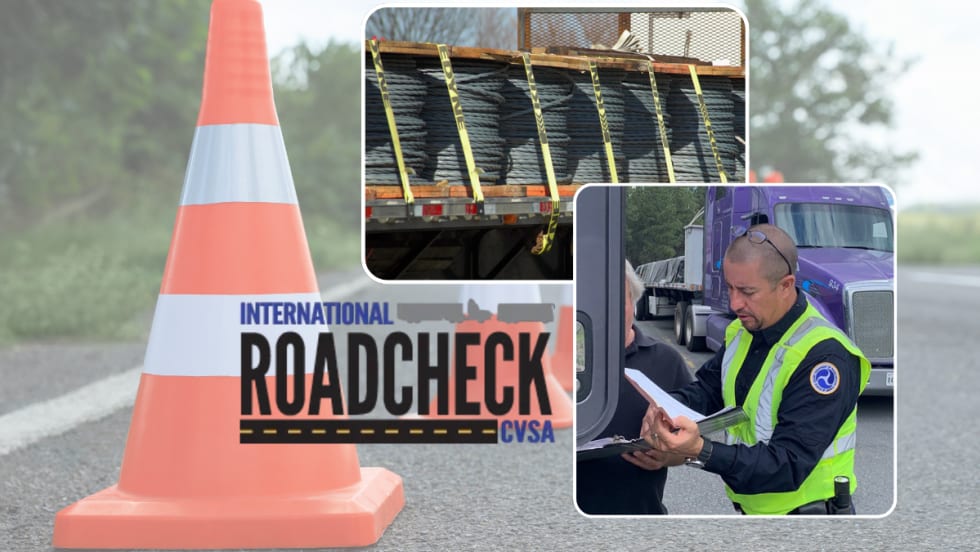
Medical Cards, English Proficiency Reshape Roadcheck Violations
Medical-card violations jumped to the top of the driver out-of-service list during CVSA’s 2026 International Roadcheck, while English-language proficiency violations appeared among the leading violations for the first time.
Read More →
How Lance Evans Turns Enforcement Experience Into Better Fleet Safety
HDT Truck Fleet Innovator Lance Evans brings lessons from law enforcement to K&B Transportation’s approach to safety technology, data, driver coaching, and compliance.
Read More →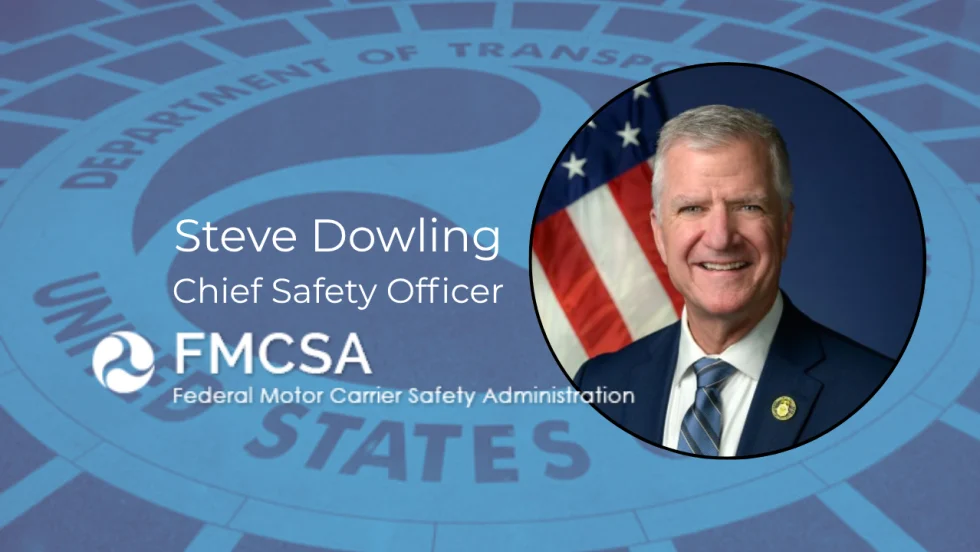
New FMCSA Chief Safety Officer Has Trucking Industry and Law Enforcement Experience
Steve Dowling joins FMCSA after serving as senior director of safety at Covenant Logistics and in leadership roles in commercial motor vehicle industry organizations.
Read More →
Driver Trust Can Make or Break the Success of Fleet Safety Technology
New Teletrac Navman research suggests that onboarding, transparency about driver data, and positive feedback can play a significant role in how commercial drivers respond to safety and coaching technology.
Read More →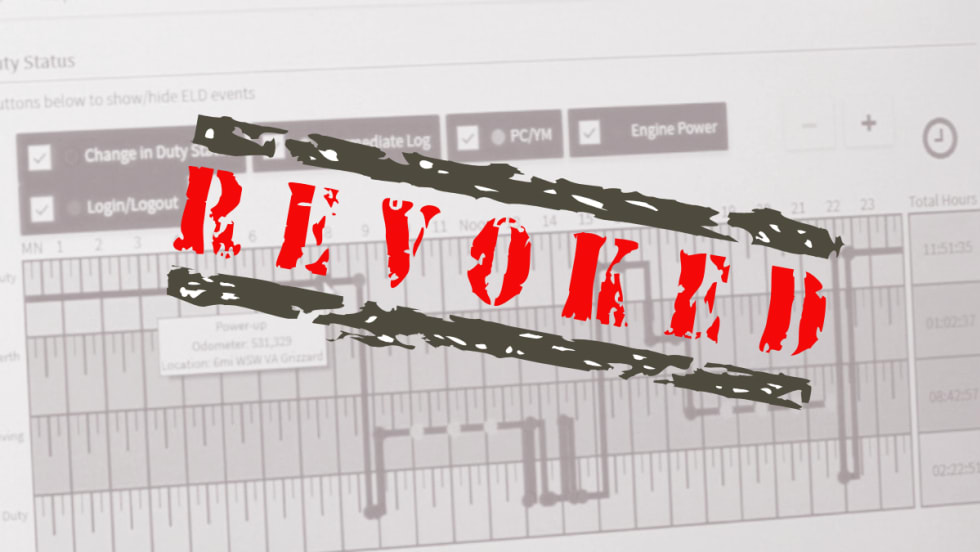
FMCSA: Stop Using These 15 Electronic Logging Devices
Fleets and drivers must replace the revoked ELDs with ones on the FMCSA's registered device list of electronic logging devices.
Read More →