




More Allegations Made in Repeal of Proposed Glider Kit Restrictions Under GHG Phase 2
Several members of Congress have asked the inspector general of the Environmental Protection Agency to look into allegations that there was improper contact between Volvo Group, the Truck & Engine Manufacturers Association, and the EPA regarding the agency’s regulation of glider kits under its Greenhouse Gas Phase 2 rules.

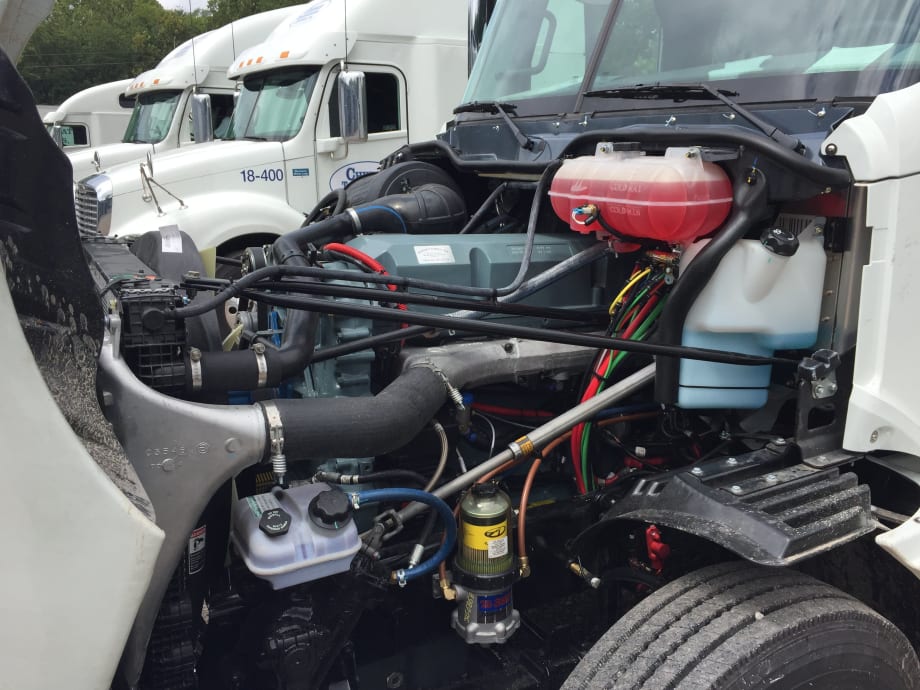
Glider kits (this one from Freightliner) allow older powertrains to be used with new, aerodynamic cab bodies.
Photo by Deborah Lockridge
Several members of Congress have asked the inspector general of the Environmental Protection Agency to look into allegations that there was improper contact between Volvo Group, the Truck & Engine Manufacturers Association, and the EPA regarding the agency’s regulation of glider kits under its Greenhouse Gas Phase 2 rules.
In October 2016, EPA and the National Highway Traffic Safety Administration issued the final GHG/Fuel Efficiency Phase 2 rule. Among other things, this rule required engines in new “glider” vehicles to meet the emissions standards for the year the vehicle was assembled, rather than the year the engine was manufactured.
A glider vehicle is a truck that uses an older powertrain but has new body parts. The original intent of glider kits was to allow truck owners to repair vehicles that had been in a crash. But in recent years, owner-operators and fleets increasingly used them to avoid not only the higher cost of brand-new trucks, but also the maintenance headaches of engines required to use aftertreatment under newer emissions rules.
In July 2017, after Fitzgerald Glider Kits petitioned the agency to do so, EPA announced it intended to revisit those glider kit provisions. In November, it issued the official proposal.
This proposal to allow a glider kit loophole to the GHG/fuel economy regulations has drawn criticism from environmental groups, truck and engine makers, the American Trucking Associations, some large fleets such as FedEx and PepsiCo, two former EPA administrators, some state attorneys general, and some Democratic senators, among others.
The repeal proposal has yet to become a final rule. It's unclear at this point how the resignation of EPA Administrator Scott Pruitt may affect this process, although in general, changes in agency administrators often slow down rulemaking processes.
Just How Polluting Are Glider Kits, Anyway?
One of the key issues in this whole debate appears to be efforts to prove just how polluting (or not) glider kits are.
A Tennessee Technical University study that was funded by Fitzgerald Glider Kits apparently played a key role in the agency’s decision to revisit the rule. That study appeared to show that glider kits would not have as significant an environmental impact as previously argued by the EPA’s own study.
However, the universitylater disavowed the study pending a review of the validity of the research.
Now, two Congressional letters point to the agency’s own research into glider kits as suspect. They allege that Volvo Group had undue influence with some employees at the agency, provided glider kits for testing, and that the testing was done without the approval or knowledge of agency leadership. That testing found that glider vehicle NOx levels are four to 40 times higher than current powertrains and particulate matter levels are 50 to 450 times higher.
“The EPA would purportedly run the emissions testing according to specifications provided by [Volvo]…. At the very least, the EPA’s testing methods were highly questionable and should not be recognized,” said a letter from Brian Babin (R-TX), James Comer (R-KY), Steve King (R-IA), and Bill Posey (R-FL).
Another letter to the IG came from Greg Gianforte (R-MT), chairman of the House Subcommittee on the Interior, Energy, and Environment. It raised similar concerns, saying, “collaboration between agency employees and a regulated entity to potentially sway the outcome of NVFEL tests in order to disadvantage a competitor compromises the EPA’s integrity and allows a handful of agency staff and one company the opportunity to manipulate the regulatory process.”
Volvo denies any wrongdoing in the matter.
"Like most of the trucking industry, the Volvo Group for several years now has argued that the improper use of glider kits is bad for the environment and unfair to manufacturers who have invested in the latest environmental controls,” said a Volvo Group spokesman in response to HDT’s request for comment. “All our communication and cooperation with the EPA on this issue has been an entirely appropriate part of a broad trucking industry advocacy effort – we did nothing improper."
The letters also asked the IG to look into the Truck and Engine Manufacturers Association for a potential lobbying violation, because the lobbyist was once a senior employee of the EPA and was instrumental in the drafting of the Phase 2 rule, yet “communicated and influenced the EPA less than 10 months from his departure.”
Related: Senators, Former EPA Chiefs Urge Agency to Drop Glider Reg Repeal
More Fuel Smarts

Why Diesel Price Relief Efforts May Fall Short
Diesel prices have eased from September’s record high, but doubts about additional Russian supply and limits on dyed-diesel tax relief mean trucking fleets still face expensive fuel. And prices could go higher.
Read More →
Why Small Fuel Savings Matter in Trucking
Can better fuel economy help pay for driver raises? In this podcast, GP Transco explains how small efficiency gains create room to reinvest in its people.
Read More →
How GP Transco Cuts Trucking Fuel Costs, a Tenth of a Gallon at a Time
What’s another tenth of a mile per gallon worth? GP Transco shares how equipment upgrades and driver coaching turn small gains into meaningful fuel savings.
Read More →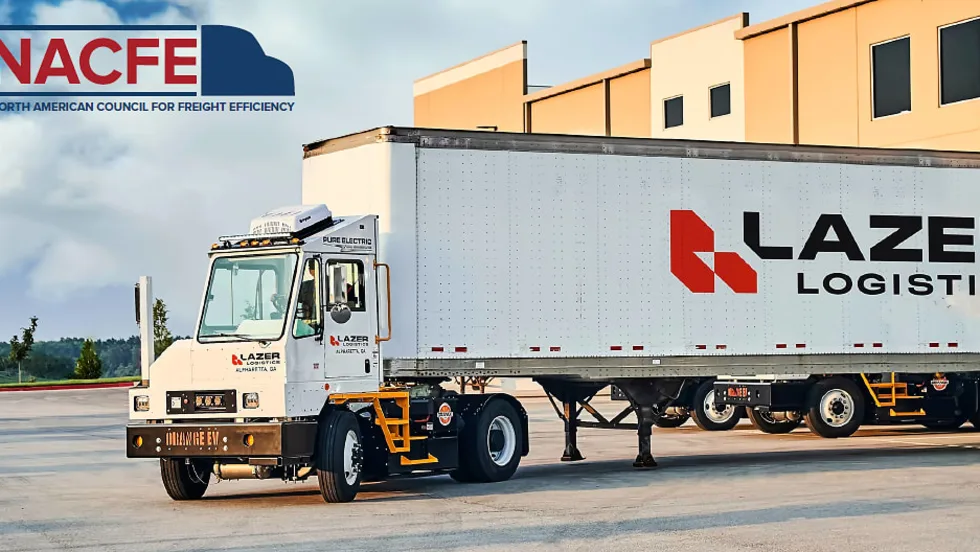
Electric Yard Tractors Move Beyond Pilots
Operating-cost savings have overtaken sustainability goals as the leading reason surveyed fleets are adopting battery-electric terminal tractors, according to new NACFE research.
Read More →
Geotab Links Fleet Card to Vehicle Data
The new card combines fuel discounts with telematics-based purchase controls. Geotab’s analysis also points to potential savings from choosing lower-priced fuel stops.
Read More →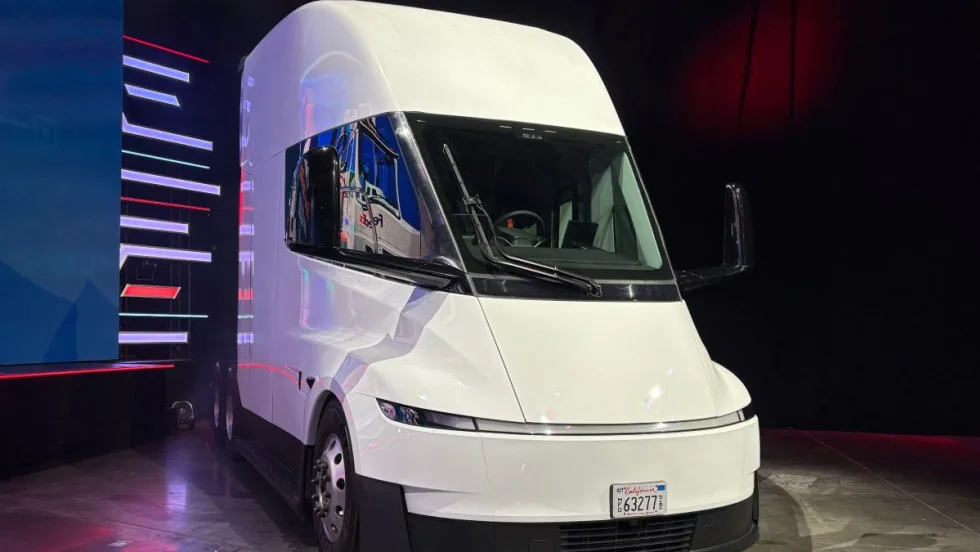
Fleet Economics Shape Electric Truck Outlook
ACT Research expects costs, charging infrastructure, and technology improvements to drive zero-emission commercial vehicle adoption as federal regulations and incentives retreat.
Read More →
Wex Adds Cardless Fuel Payments for Over-the-Road Customers
A new fuel card feature for Wex customers offers convenience and security.
Read More →
New California Law Could Shed Light on Electric Truck Prices
Why do battery-electric Class 8 trucks remain so expensive? A California bill signed by Gov. Gavin Newsom would give fleets and state agencies more visibility into what manufacturers charge.
Read More →
How Volvo Updated Its D13 for EPA 2027 [Watch]
Volvo’s updated D13 promises lower emissions without sacrificing performance or fuel economy. Take a closer look at what changed inside the engine in this HDT Spotlight video.
Read More →
Diesel Price Spike Shortens Payback for Natural Gas Trucks, Report Says
Energy Vision estimates fleets could recover the higher purchase price of an RNG-fueled Class 8 tractor in 1.3 to 2.8 years under current fuel-price scenarios.
Read More →