




Maryland Pulls Out of Baltimore Intermodal Project Development
The Maryland Department of Transportation has terminated its agreement with railroad operator CSX to locate a new Baltimore Rail Intermodal Facility in the western part of the city and has pulled all state funding from the project.
The Maryland Department of Transportation has terminated its agreement with railroad operator CSX to locate a new Baltimore Rail Intermodal Facility in the western part of the city and has pulled all state funding from the project.
The state earlier committed of $30 million in capital funding and spent around $1 million on planning as part of an effort to help make the Port of Baltimore more attractive for incoming container shipments from Asia once an expansion of the Panama Canal is completed in 2015.
The state DOT has been working with CSX since 2009 to develop near-dock, double-stack rail capability for the Port of Baltimore’s Seagirt Marine Terminal. Double-stack rail transport involves stacking intermodal containers two high on rail cars. However, vertical clearances along CSX’s rail network prevented double-stack trains from reaching Seagirt Marine Terminal by rail.
In September 2012, Maryland and CSX announced that a new intermodal container transfer facility would be constructed south of CSX’s Howard Street Tunnel, currently the biggest clearance impediment, at CSX’s Mt. Clare Yard in southwest Baltimore City.
Since then the nearby residential and business communities of Morrell Park, Wilhelm Park and Saint Paul voiced concerns over the potential impacts the project would have on their community. CSX was unable to address these concerns to the satisfaction of the community, Maryland officials and the city of Baltimore, according to the state DOT. Part of the opposition centered on the expected 150 trucks that would be serving the facility each day.
“CSX has worked to develop an intermodal transfer facility that balances the needs of the community, the State of Maryland, the City of Baltimore and the railroad for five years without success. This is very disappointing for all concerned,” said Maryland Transportation Secretary James T. Smith, “but we remain deeply committed to working with all stakeholders to develop a long-term solution that brings double-stack capacity to the state and enhances the competitiveness of the Port of Baltimore.”
Read more about it from The Baltimore Sun.
More Fleet Management
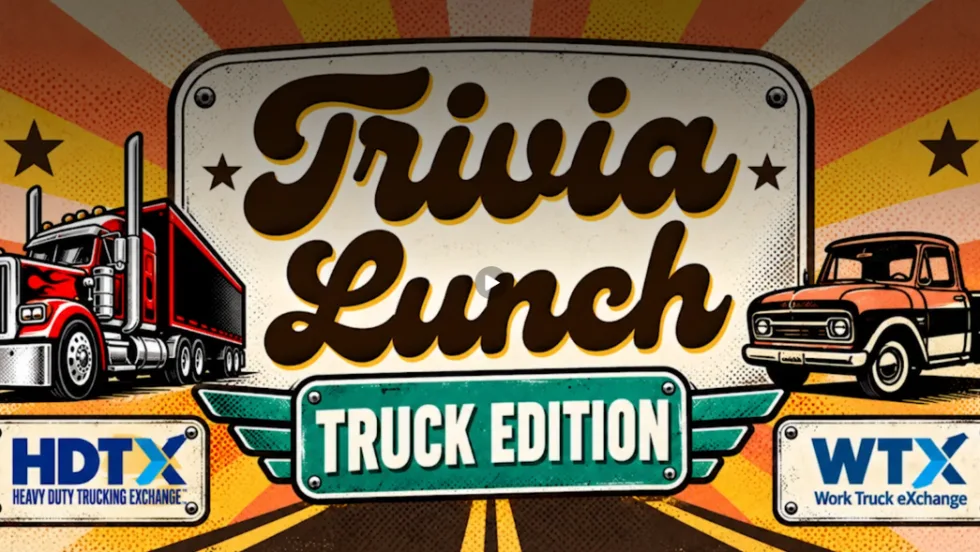
Can You Beat Our Trucking Trivia Challenge?
Test your truck knowledge with 19 trivia questions from Heavy Duty Trucking Exchange. Can you keep up with the fleet pros?
Read More →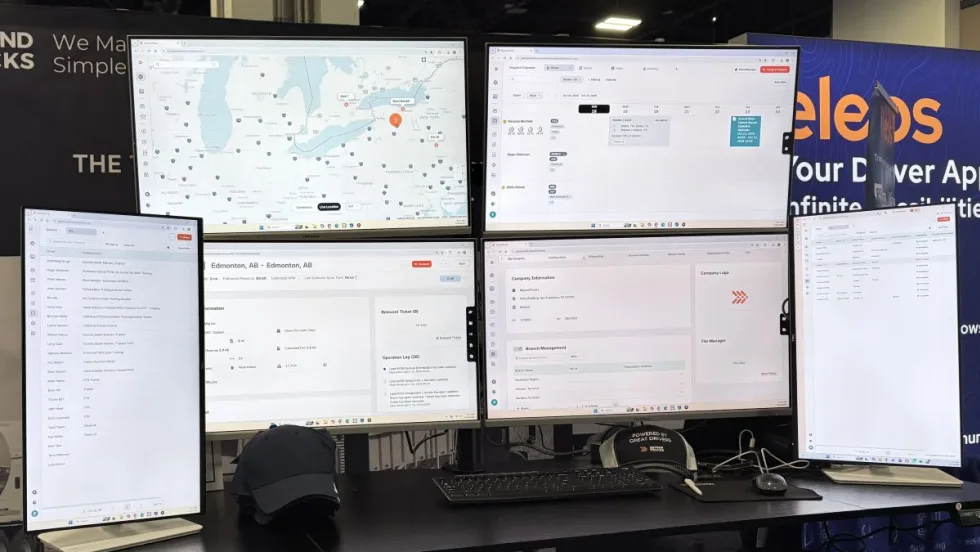
BeyondTrucks Adds Rules Checks to Dispatch
New Compatibility Engine checks driver qualifications, equipment requirements and fleet policies before loads are dispatched.
Read More →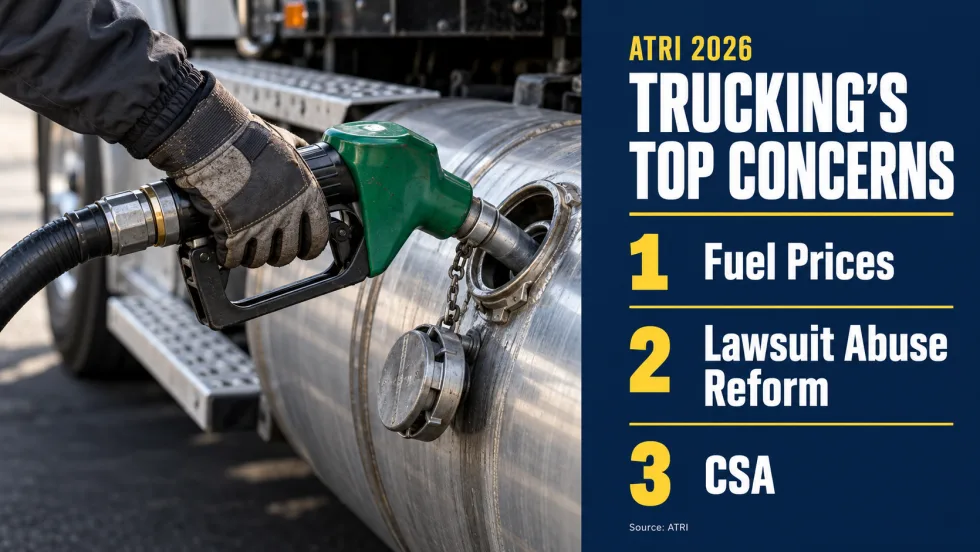
Diesel Prices Hijack Trucking’s Worry List
ATRI’s annual survey finds cautious optimism about freight, but diesel costs, litigation, and insurance continue to squeeze fleets. Drivers have different priorities on several issues.
Read More →
Nomination Deadline Extended for HDT Emerging Leaders
Just a few more days to nominate accomplished trucking fleet professionals under 40 who are making an impact and helping lead the industry forward for the HDT Emerging Leaders award. Deadline extended to October 20!
Read More →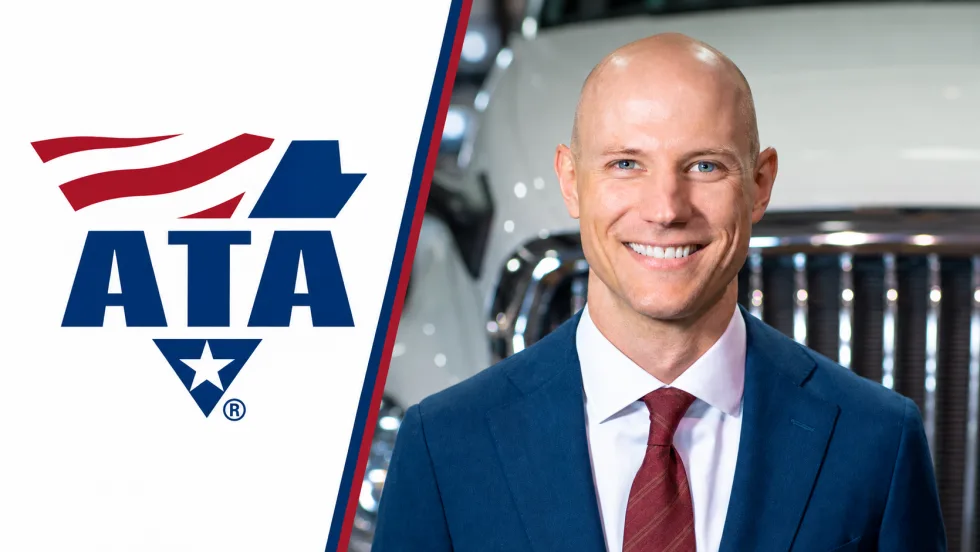
What Will ATA’s New Leader Bring to Trucking's Table?
Incoming President and CEO Mark Colson’s record in Alabama offers clues about his priorities and approach following Chris Spear’s abrupt departure as the head of the American Trucking Associations.
Read More →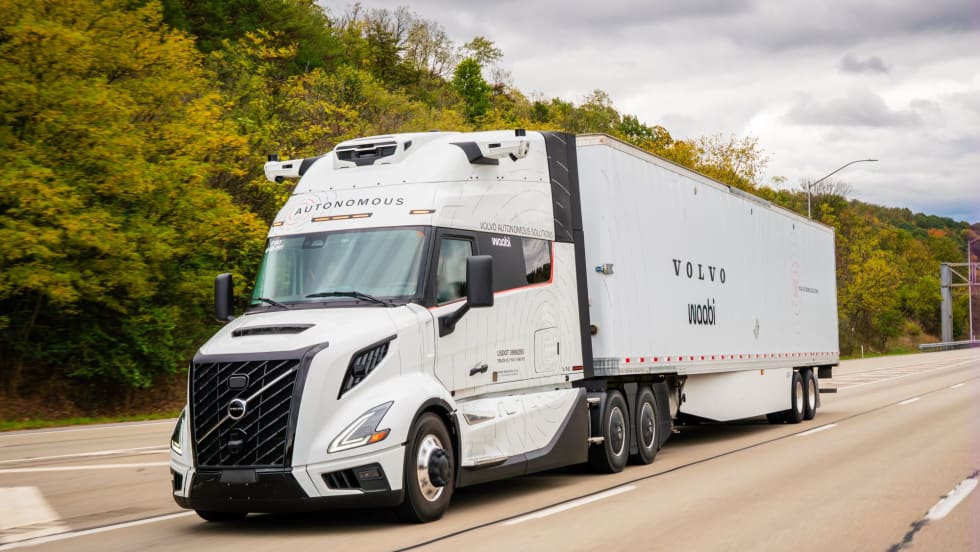
Volvo, Waabi Start Commercial Autonomous Operations in Texas
Volvo VNL Autonomous trucks, powered by the Waabi Driver, are hauling freight directly to third-party facilities for a customer in Texas.
Read More →
Samsara Launches Custom AI Agent Builder
Agent Studio lets fleets create AI tools for hours-of-service monitoring, reporting and driver support, including agents that communicate by phone.
Read More →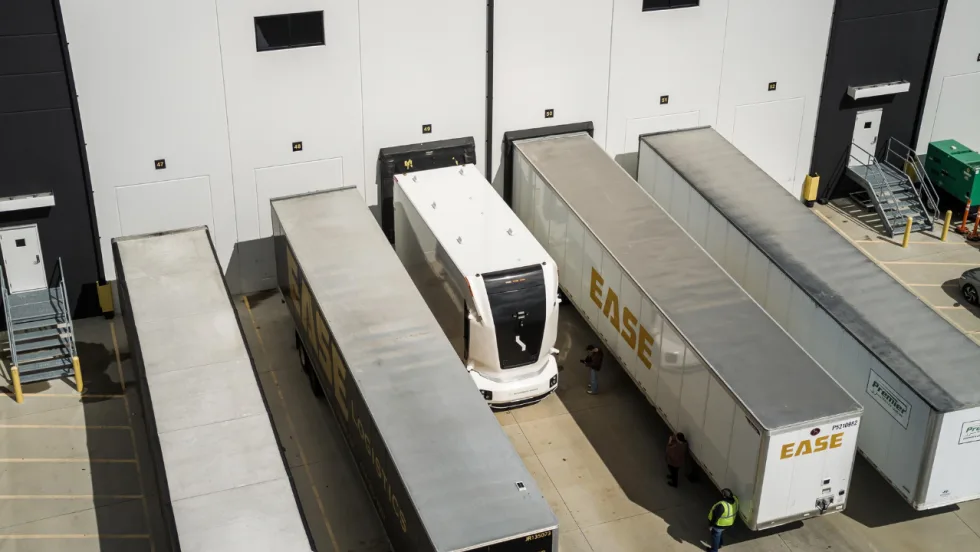
Einride Driverless Electric Trucks Begin Daily Freight Operations in Ohio
Two cabless electric trucks are hauling freight between EASE Logistics facilities in Marysville, Ohio, as part of a multi-state truck automation project.
Read More →
Geotab Links Fleet Card to Vehicle Data
The new card combines fuel discounts with telematics-based purchase controls. Geotab’s analysis also points to potential savings from choosing lower-priced fuel stops.
Read More →
How MFA Helps Protect Trucking Fleets
Multi-factor authentication adds protection when passwords are stolen. Here’s how it works and where fleets should start.
Read More →