




March Manufacturing Index Falls Sharply
The March manufacturing index from the Institute of Supply Management (ISM) dropped to 46.2 in March from 50.5 in February over concerns about the impact of the war in Iraq.
The March manufacturing index from the Institute of Supply Management (ISM) dropped to 46.2 in March from 50.5 in February over concerns about the impact of the war in Iraq.
The index had averaged 52.5 over the past year.
Jim Haughey, Newport Communications' senior economist, said the index typically drops to the very low 40s at the bottom of a recession. The Institute of Supply Management monthly survey of industrial buyers is widely followed, so the steep fall will have a depressing impact on the economy, Haughey said.
The largest decline was in the production sub-index that dropped to 46.3 from 55.4. Large declines also occurred in orders and order backlogs. However, prices rose and supplier deliveries slowed and there was little change in the sub-index for employment. While both are weaker, exports and imports remained above 50, indicating that these sectors are still growing.
This decline was expected after the weak February reports on the consumer sector. Hard industrial production data in two weeks is likely to show a much smaller decline than the index derived from a survey of buyers' opinions.
This sour report suggests that freight volume was weak again in March, possibly even falling. Watch the war on TV. Quick good news will reverse much of the damage very quickly while a longer war will deepen the problem.
More Fleet Management
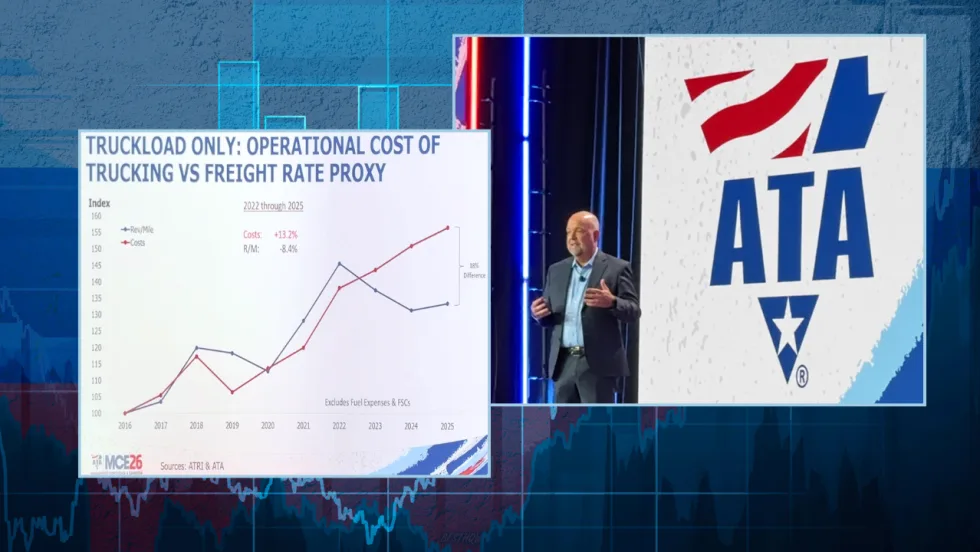
Why This Trucking Recovery Is Different
Freight demand remains sluggish, but rising costs and tougher enforcement have taken enough capacity out of the market to change the outlook for motor carriers.
Read More →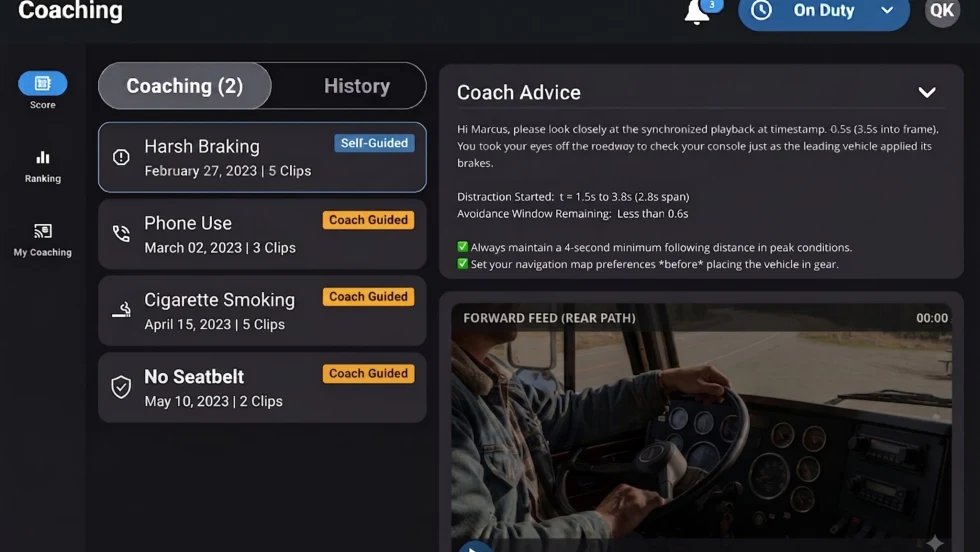
Platform Science Adds Dispatch and Safety Tools
Four additions to PS Fleet help fleets monitor loads, manage driver coaching, share truck locations and adjust video system settings.
Read More →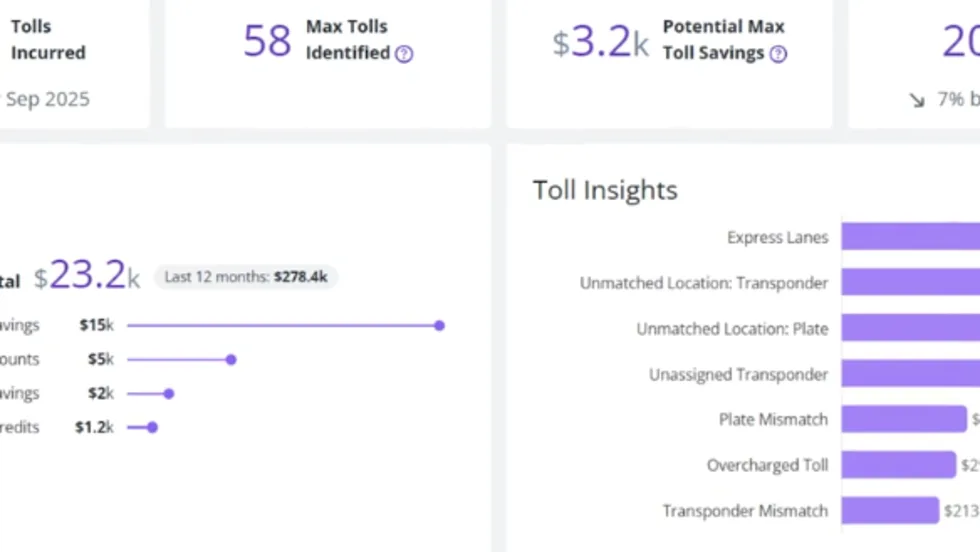
PrePass Intelligence Mines Fleet Bypass, Toll and Safety Data
PrePass Intelligence helps fleets measure bypass savings, flag potential toll overcharges, and spot suspicious transactions by combining data from separate systems.
Read More →
Motive Adds AI Agents for Fleet Operations
New tools automate follow-up on fleet data, from maintenance work orders to driver alerts, with two-way voice conversations planned for later this year.
Read More →
Can You Beat Our Trucking Trivia Challenge?
Test your truck knowledge with 19 trivia questions from Heavy Duty Trucking Exchange. Can you keep up with the fleet pros?
Read More →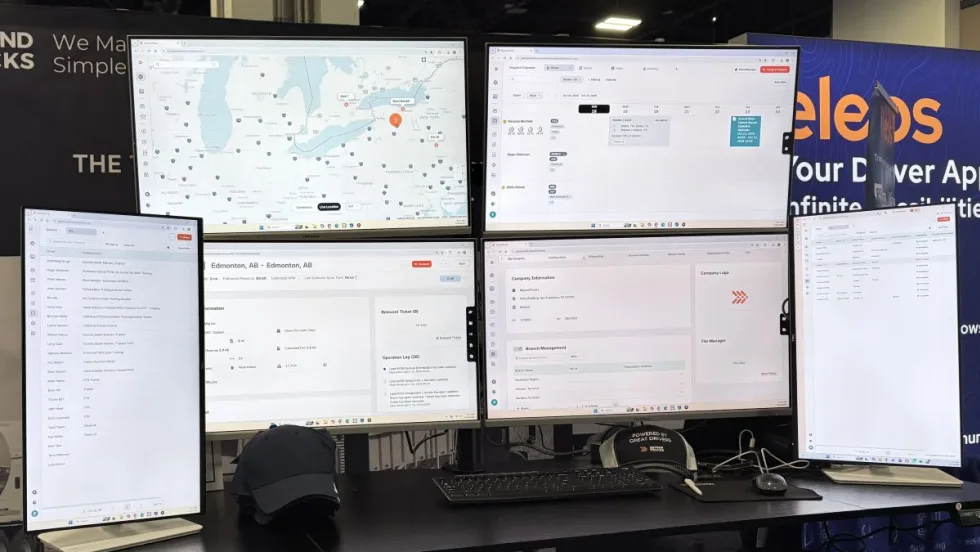
BeyondTrucks Adds Rules Checks to Dispatch
New Compatibility Engine checks driver qualifications, equipment requirements and fleet policies before loads are dispatched.
Read More →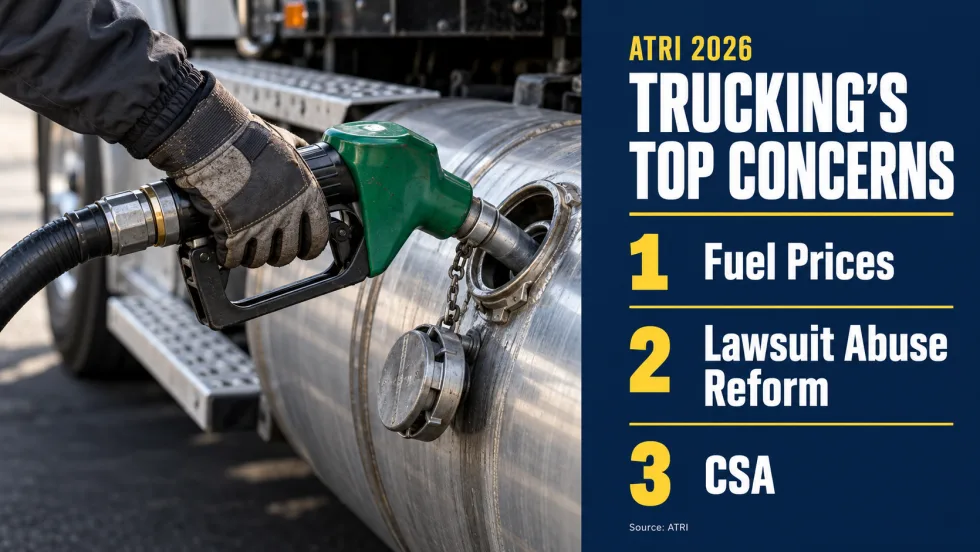
Diesel Prices Hijack Trucking’s Worry List
ATRI’s annual survey finds cautious optimism about freight, but diesel costs, litigation, and insurance continue to squeeze fleets. Drivers have different priorities on several issues.
Read More →
Nomination Deadline Extended for HDT Emerging Leaders
Just a few more days to nominate accomplished trucking fleet professionals under 40 who are making an impact and helping lead the industry forward for the HDT Emerging Leaders award. Deadline extended to October 20!
Read More →
What Will ATA’s New Leader Bring to Trucking's Table?
Incoming President and CEO Mark Colson’s record in Alabama offers clues about his priorities and approach following Chris Spear’s abrupt departure as the head of the American Trucking Associations.
Read More →
Volvo, Waabi Start Commercial Autonomous Operations in Texas
Volvo VNL Autonomous trucks, powered by the Waabi Driver, are hauling freight directly to third-party facilities for a customer in Texas.
Read More →