




Louisiana Gets Tough With Intermodal Equipment Owners
The battle over intermodal equipment maintenance and safety has moved to the states. Louisiana just passed a law making intermodal equipment owners responsible for fines and related costs if that equipment is ordered out of service for safety violations. Illinois is considering similar legislation
The battle over intermodal equipment maintenance and safety has moved to the states. Louisiana just passed a law making intermodal equipment owners responsible for fines and related costs if that equipment is ordered out of service for safety violations. Illinois is considering similar legislation.
The Federal Highway Administration is hardly out of the picture. Prompted by a 1997 rules change petition from the American Trucking Assns., FHWA earlier this year acknowledged that joint responsibility for the maintenance and safety of intermodal equipment might be needed -- then asked for more input from the industry. In the meantime, truckers that regularly pull intermodal equipment began approaching the states.
Changes to federal regulations can be a time-consuming process, often requiring two to three years or more, explains Tom Malloy, executive director of ATA's Intermodal Conference. "The states are more nimble in that area," he adds.
Truckers have long complained that railroads, steamship lines and other intermodal equipment owners take a "catch me if you can" approach to maintenance and safety. Federal regulations essentially assign responsibility for inspections and maintenance of highway equipment to the carrier. Equipment interchange agreements typically require the carrier to accept responsibility for intermodal equipment once it leaves the port or rail yard. As railroads and ship lines argue, truck drivers should catch any mechanical problems in their pre-trip inspections. If they don't, the problem is theirs.
But truckers usually don't see intermodal equipment until it's loaded and ready to roll. By then, tight delivery schedules and limited facilities make it impossible and impractical to do thorough equipment inspections. If problems are discovered, truckers often face long lines for repairs. Worse yet, many claim that steamship lines particularly are prone to blackballing or other retaliation if a carrier or owner-operator complains too much about the condition of containers and chassis.
Louisiana's new law says, "Before an operator may accept a vehicle, the tenderer must allow the motor carrier operator adequate equipment, time and facilities to perform the US DOT required inspection of the vehicles." If a driver finds problems, the owner must make all necessary repairs or provide a replacement. And if the equipment is ordered out of service by a law enforcement official doing a roadside inspection, the owner must reimburse the trucker for any related fines, penalties, expenses and "reasonable" attorney fees.
Malloy says there have also been private efforts to address the issue. Some rail terminals in Chicago and Atlanta now have "quick fix" lanes set up to address the three main equipment problem areas: tires, lights and brakes. CSX has established "ready rows" of equipment that has been inspected and repaired.
It's a start, but much more has to be done. "You have to be concerned when one portion of a deregulated industry is asking for more regulations," Malloy notes. "It has to be an indicator of the magnitude of the problem."
FHWA's deadline for written comments is August 30, 1999. The notice can be found on the Internet at www.access.gpo.gov/su_docs/aces/aces140.html. Comments already received can be found under Docket No. FHWA-98-3656 at http://dms.dot.gov.
More Fleet Management
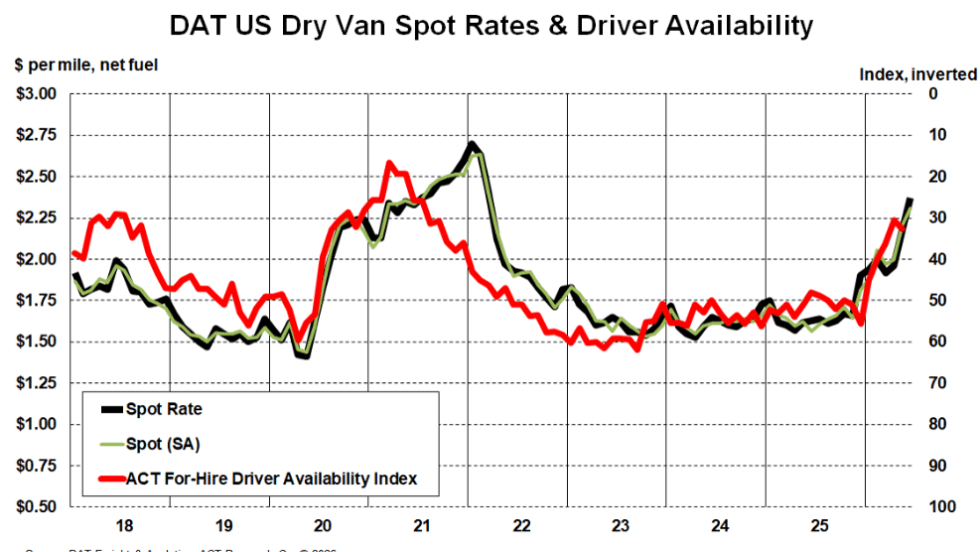
Truckload Rates Keep Rising as Tight Capacity Fuels Freight Market Recovery
Spot and contract rates continued climbing in May and June, not because freight demand is surging, but because fewer trucks and drivers are available.
Read More →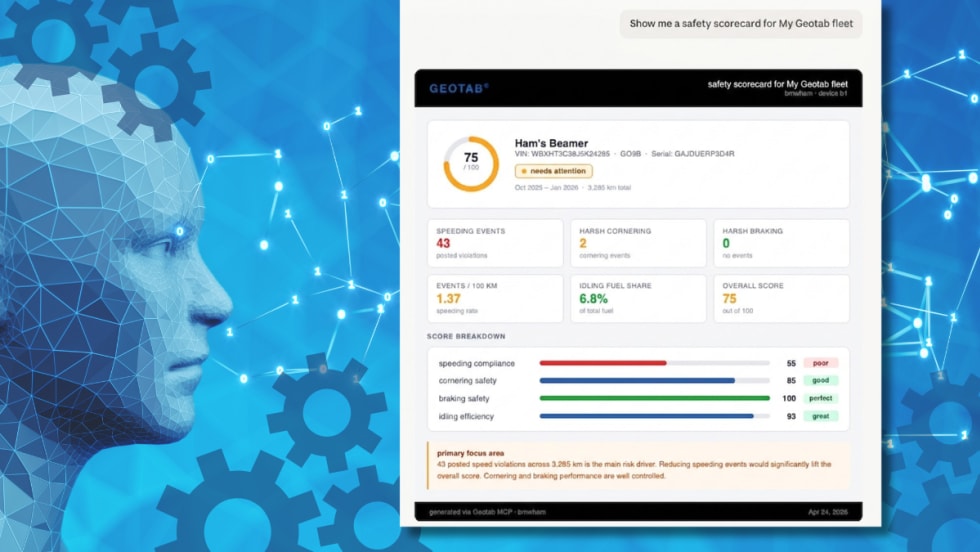
What Geotab's New AI Connector Means for Fleets
Fleets can now ask their usual AI assistants questions about maintenance, safety, fuel use, and vehicle performance, using their live Geotab data, and take action on the answers without leaving their preferred AI tool.
Read More →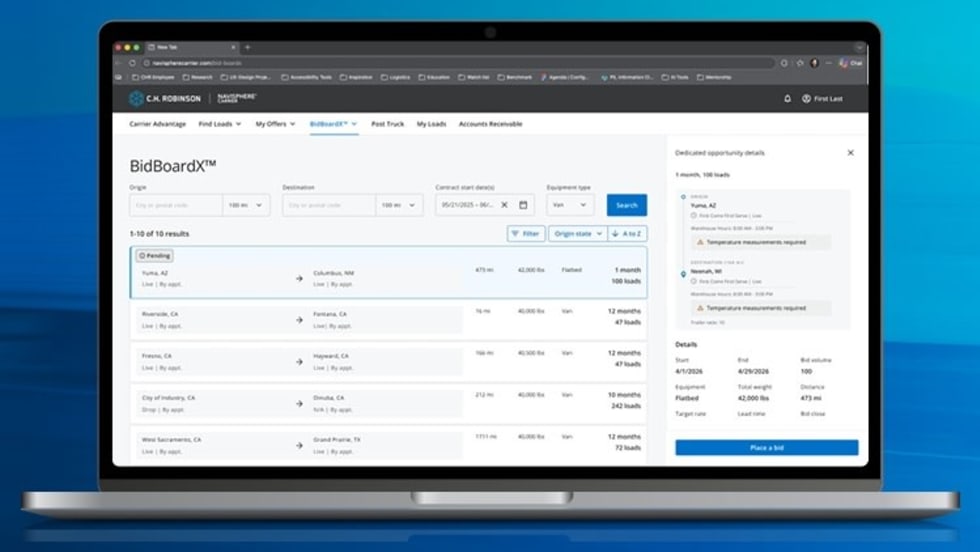
New C.H. Robinson Tool Opens Door to More Predictable Freight
BidBoardX lets carriers search, bid on, and secure committed freight opportunities through a single digital marketplace.
Read More →

New York City's Microhub Project is Delivering Results
Trucking, last-mile delivery companies, and environmental advocates like what they are seeing so far with New York's microhub program.
Read More →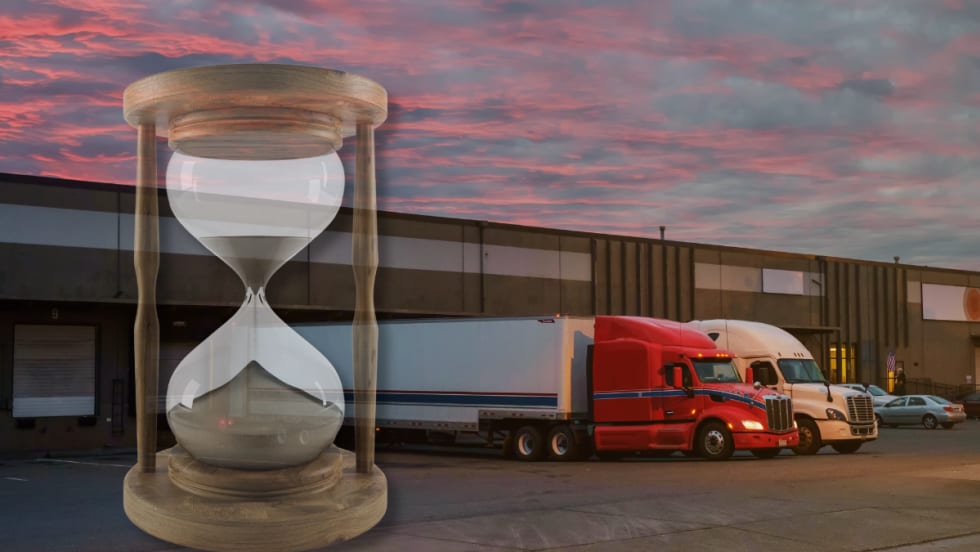
Why Truck Detention Keeps Costing Fleets Time and Money
A 2024 ATRI study found detention affects nearly 40% of truckload stops and costs the industry more than $15 billion annually. Despite the toll on drivers, fleets, and supply chains, the problem remains stubbornly persistent.
Read More →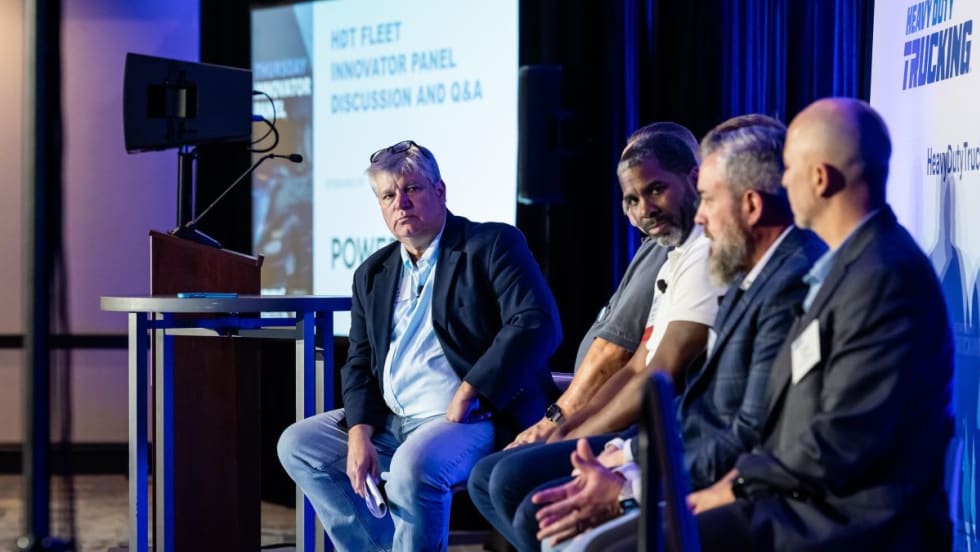
Time is Running Out to Apply for Exclusive HDT Event
Heavy Duty Trucking Exchange brings fleet managers and suppliers together for the deeper conversations that lead to ideas, partnerships, and solutions. Time is running out to apply for the September event.
Read More →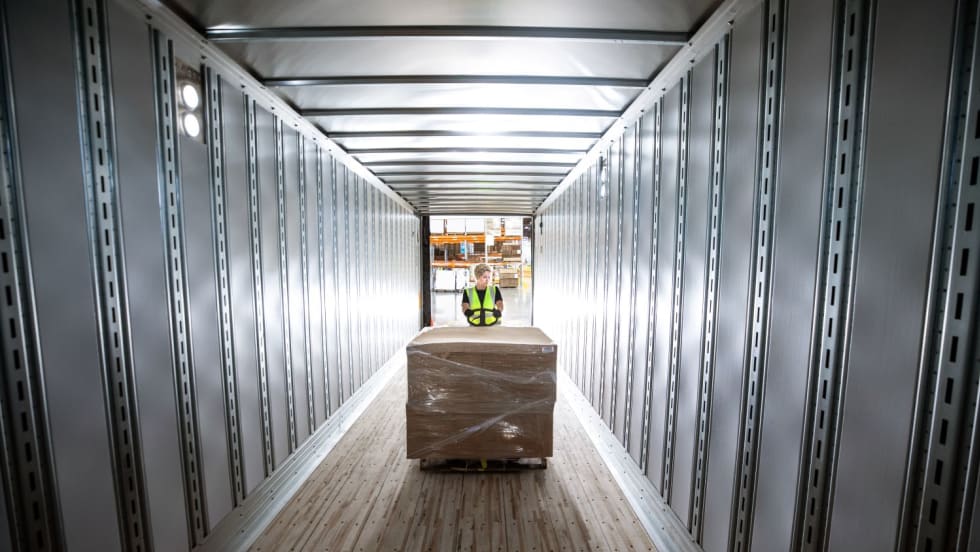
Amazon Launches Less-Than-Truckload Freight Offering for All Businesses
This launch is the latest addition to Amazon Supply Chain Services, a portfolio of supply chain capabilities from Amazon, including freight, distribution, fulfillment, and parcel shipping.
Read More →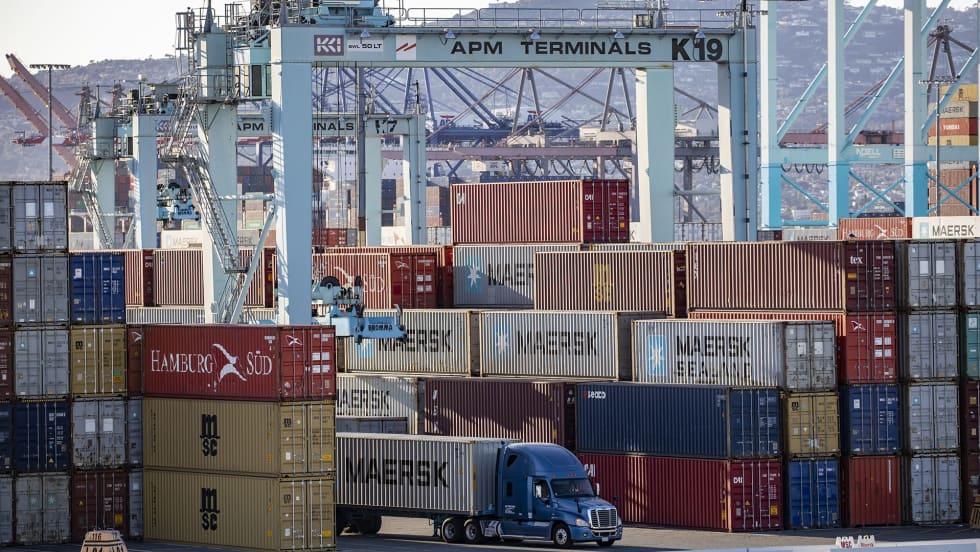
Import Cargo Volume to See Year-Over-Year Gain Again in June, Then Remain Below 2025 Levels Into Fall
After July, the report predicts a weakening in import volume as consumer uncertainty remains high and the impact of increasing inflation takes its toll.
Read More →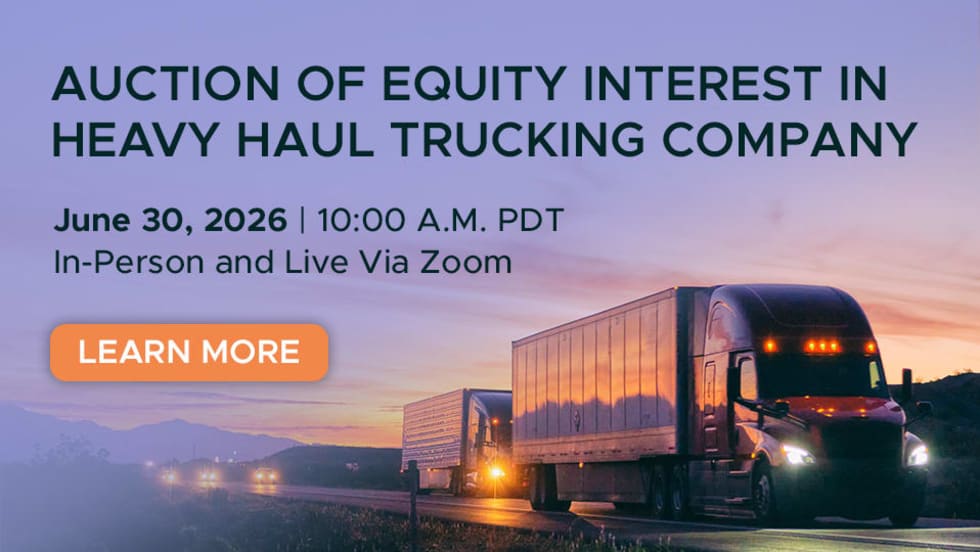
AUCTION OF EQUITY INTEREST IN HEAVY HAUL TRUCKING COMPANY!!
Mark your calendar: June 30, 2026 (10:00 a.m. PDT). A 37.5% ownership interest in MagnaTrans, LLC, a California limited liability company doing business as Magna Transportation Group, will be sold in an in-person and online auction to the highest bidder or bidders under Article 9 of the Uniform Commercial Code. The Rancho Cucamonga-based heavy haul and over-dimensional trucking company operates across California, Oregon, and Arizona.
Read More →
Volvo Trucks Adds Unattended Over-the-Air Software Update Capabilities
The latest evolution of Volvo’s over-the-air update technology allows software updates to run while trucks are parked, helping fleets keep vehicles current without disrupting operations.
Read More →