




Los Angeles, Long Beach Ports Reopen After Strike
Striking clerical workers at the ports of Los Angeles and Long Beach are back at work this morning, after they agreed to a new contract with terminal operators last night. The eight-day strike crippled the nation's busiest ports
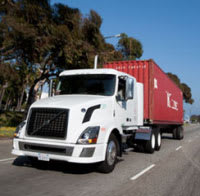
Striking clerical workers at the ports of Los Angeles and Long Beach are back at work this morning, after they agreed to a new contract with terminal operators last night. The eight-day strike crippled the nation's busiest ports.
Only about 600 clerical workers were on strike, but when other International Longshore and Warehouse Union workers refused to cross picket lines, it shut down 10 of the 14 shipping container terminals at the two ports.
A deal was struck Tuesday after a federal mediator got involved.
The Port of Long Beach estimates $650 million in trade has been idled each day of the strike.
"The retail community is pleased to see a settlement of the strike," said National Retail Federation President and CEO Matthew Shay.
"Our attention now shifts to the East and Gulf Coast ports, where federal mediators have been locked in prolonged discussions with labor and management for the past two months.
"We urge the parties to reach a final agreement before their contract extension ends at the end of December. Retailers, manufacturers and the rest of the business community cannot afford another shutdown."
Related Stories:
11/30/2012 Strike Slows Intermodal Traffic at LA-Area Ports
8/28/2012 Labor and Management Asked to Resume Port Contract Talks
9/21/2012 East Coast/Gulf Coast Port Strike Averted
More Fleet Management

New Independent Contractor Rule Gives Trucking More Clarity
The Labor Department is once again changing how it determines who's an independent contractor. This time, the rule includes specific examples addressing trucking safety requirements, CDLs, and lease-purchase agreements.
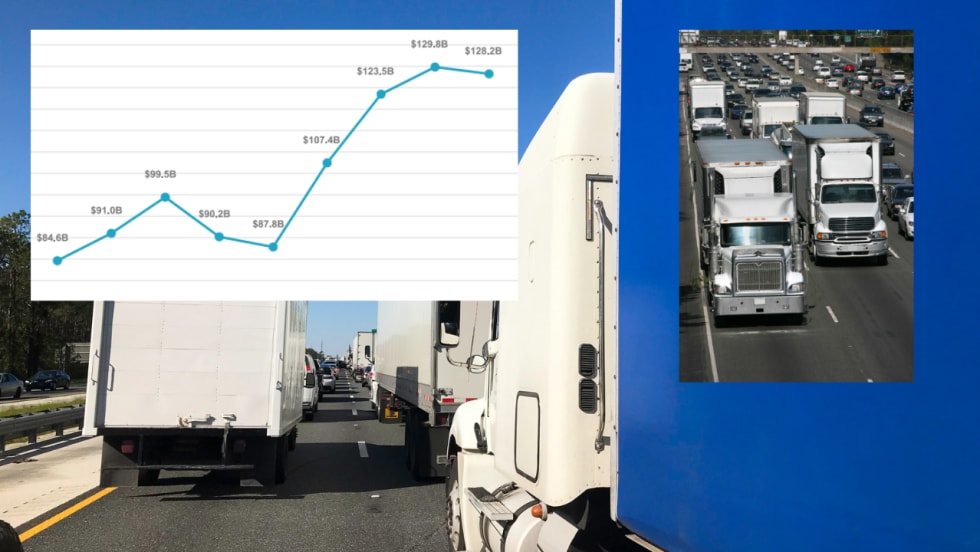
Trucking's Annual Congestion Costs Reach $128.2 Billion
That's the average cost, according to new ATRI research. And the wasted time and diesel are staggering.

How to Modernize Your TMS Without Replacing It [Podcast]
Before investing in a new transportation management system, take a closer look at what you've already got. AI, cloud technology and better integrations may offer ways to improve your trucking operations without starting over.

Could Your Truck's Connected Devices Be a Cybersecurity Risk?
ELDs, telematics systems and driver tablets help fleets operate more efficiently. But every connected device needs protection against cyberattacks.
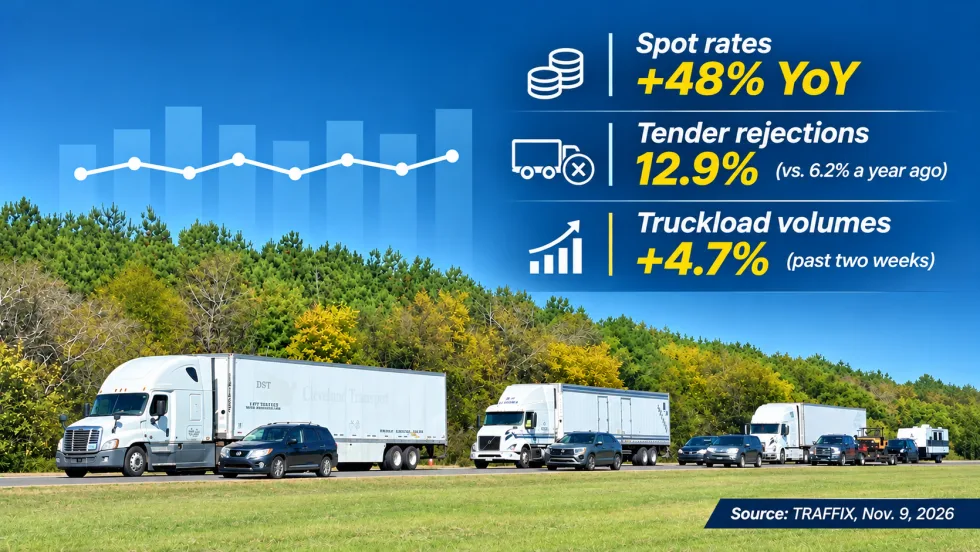
Holiday Freight Meets a Tight Trucking Market
There's no freight boom, but truckload carriers are finding themselves in a stronger position to negotiate rates. And holiday shipping demand could tighten the market further.
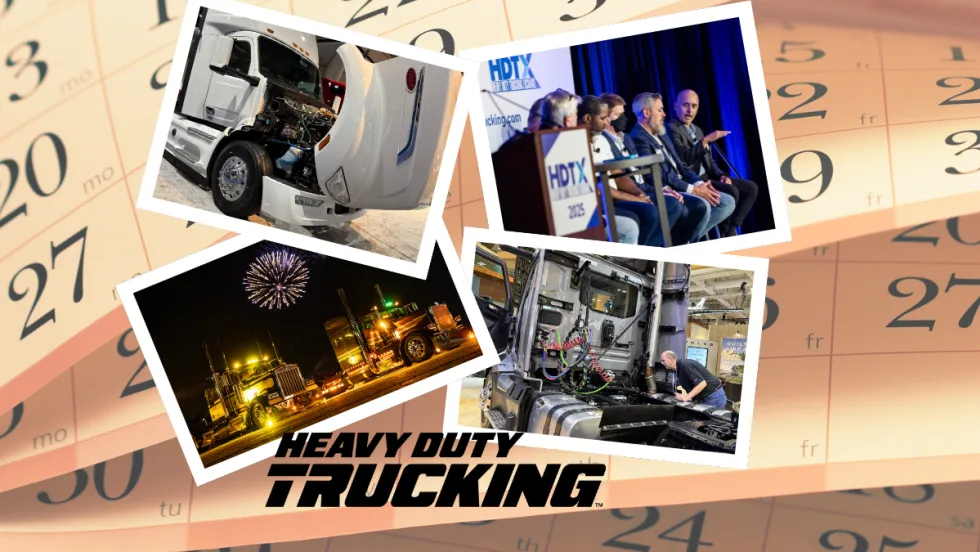
What Trucking Events are Happening in 2027?
Looking for trucking-related conventions, expos, and other events? Heavy Duty Trucking has developed this list of national and larger regional trucking shows and events.
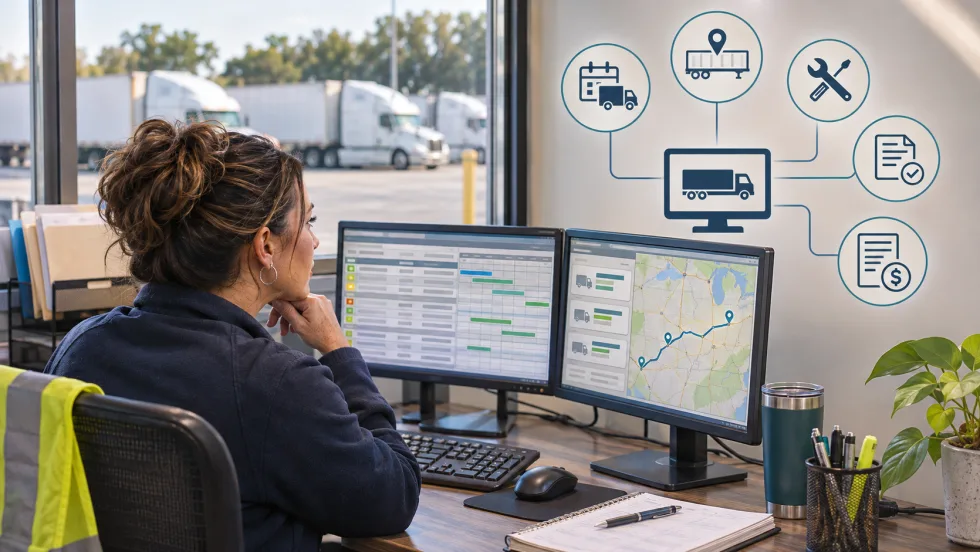
Does Your Trucking Fleet Need a New TMS?
Artificial intelligence and better integrations promise less busywork and more useful data. Can your TMS help your company solve problems? Do you need additional vendors or an upgrade? Or is it time to look for a new platform?
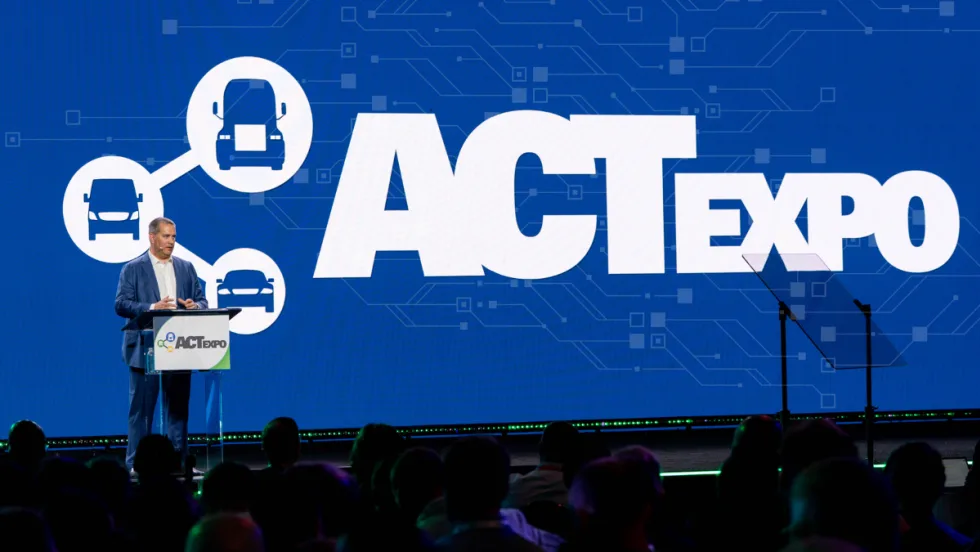
Fleet Costs Shape ACT Expo 2027 Agenda
With diesel prices high and operating expenses under pressure, ACT Expo's 2027 agenda emphasizes fuel efficiency, AI, safety and the return on fleet technology investments.

Does Your Trucking Fleet Need a New TMS? [Video]
Cloud technology, AI and new integrations are changing what transportation management systems can do. But does taking advantage of those advances mean replacing your existing TMS?
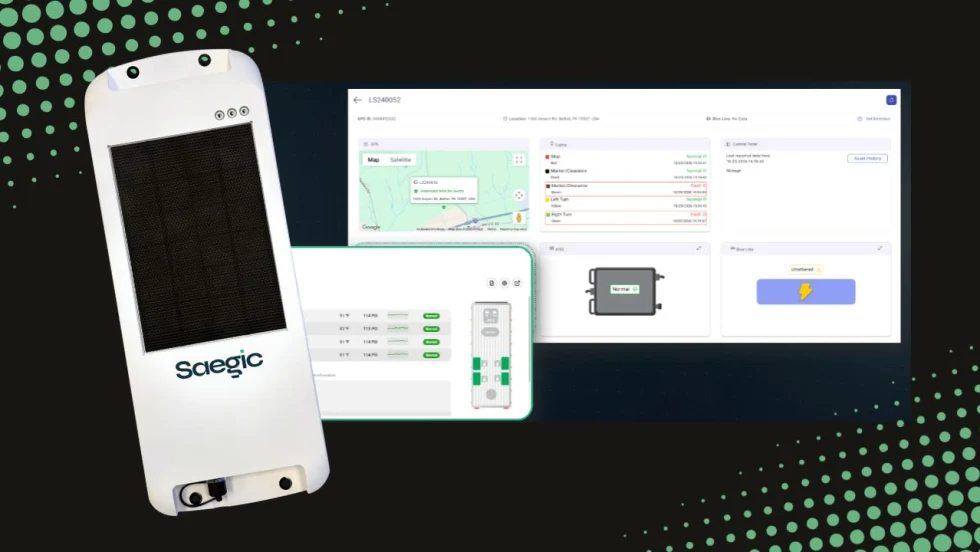
Road Ready Becomes Saegic, Launches New Trailer Telematics Gateway
Clarience Technologies is rolling out new hardware and expanding its plans for connecting trailer telematics, maintenance data, and video.