




Listening Session Draws Ideas for New-Entrant Requirements
MATS, LOUISVILLE – There were a variety of suggestions from industry players on how to implement a new-entrant testing system Friday during the Federal Motor Carrier Safety Administration's public listening session at the Mid-America Trucking Show.


Anne Ferro, FMCSA administrator, asks a question while Larry Minor and other agency officials look on. Photo: Evan Lockridge

MATS, LOUISVILLE – There were a variety of suggestions from industry players on how to implement a new-entrant testing system Friday during the Federal Motor Carrier Safety Administration's public listening session at the Mid-America Trucking Show.
In her introductory remarks, FMCSA Administrator Anne Ferro emphasized that the agency's mission is safety. "That's the mandate Congress gave us" when the agency was spun off from the Department of Transportation. "Over the years Congress has given us additional mandates," including the new-entrant proposal being discussed.
The proficiency exam has been on the agency’s to-do list for several years, but Congress got the clock ticking in earnest when it included this requirement in last year’s highway bill.
Noting that one of the agency's core principles is raising the bar to come into the industry, Ferro said, "It has been standard practice if you needed a DOT number you could get as many as you wanted whenever you wanted," she said, with a new-entrant audit coming as much as 18 months later. "It has been too easy," she said.
The FMCSA is expected to come up with a rule that will require anyone applying for new authority – a carrier, a broker, a freight forwarder – to take a knowledge test.
"What should that test look like?" Ferro asked. Should a bus company or a household goods mover have a different test from a dry van carrier? Should the testing just be on regulations, or should it include industry best practices? Should there be a charge? Should training be required? Should the government rely on a private-sector partner?
Small Fleets
David Owen, representing the National Association of Small Trucking Companies, said it's "an idea that's long overdue." His group, he said, started offering members new-entrant survival training about five years ago and has sent about 1,000 people through the course, he said, typically one- or two-truck companies with truckload, long-haul operations.

Owen suggested using the existing CDL licensing infrastructure for the new-entrant exams. He threw out a $100 possible fee for applicants, and recommended the FMCSA offer an online tutorial to help prepare people for the test.
Tom Weakley with the OOIDA Foundation also addressed concerns about how such a rule would affect the smallest fleets. In 2006, he said, a survey of members who had operating authority was used to help develop a curriculum for owner-operators entering the business. The curriculum was offered in seminars, webinars and online education.
"We don't think it should be limited to FMCSA regulations," he said. "There are some best practices that need to be considered," including budgeting, knowing their costs of operation, etc. "The more successful a person is, the less stressed, the safer they will be."
However, he suggested that best practices might not be considered part of the pass/fail requirements for the test, rather an educational type of exercise so the new entrant would have some ideas of what he still needed to work on when it comes to the business side of trucking.
New entrants, he said, should be tested on FMCSA regulations, as well as knowing how CSA works and what happens when there's an intervention. They should know how to establish a safety management plan, he said.
Weakley recommended the private sector handle the testing, but that the agency should have an approval process for the testers.
Both Owen and Weakley suggested the agency look to their curriculums for help in writing the new rules.
Brokers
James Lamb, president of the Association of Independent Property Brokers & Agents, addressed how the requirement might affect brokers.
He alleged that the provisions of the law were essentially written by the Transportation Intermediaries Association and that the goal, like the $75,000 broker bond, was intended to drive small brokers out of the market.
"Much like the broker bond, we believe this requirement is designed to restrict and discourage would-be entrepreneurs from entering the industry and competing with large brokers," he said, asking that the agency "steer clear of promulgating unreasonable barriers to entry."
He specifically addressed a requirement calling for three years of relevant experience, noting that the law does not define what is relevant. Because the role of transportation intermediaries is essentially sales and support, he said, his group believes the FMCSA should include sales and support experience outside of the transportation industry as part of that relevant experience.
"Evidence of knowledge should be based on the understanding of broker regulations and motor carrier safety regulations such as hours of service so they do not engage in actions that would hamper public safety, like force drivers to violate log books," he said.
Lamb said the mandate should require four hours of training on industry regulations and safety standards, and that the training could be done by companies registered with the FMCSA.
He took issue with the TIA's recommendation that the agency "use a single third party and up to 90 hours of burdensome curriculum, which they conveniently already offer to the public. I believe a pattern has developed her coercing new entrants into taking [the TIA's] existing class and only their class.
"If such a monopoly were to be granted by FMCSA, the cost of TIA's course would go up," he said.
More Fleet Management
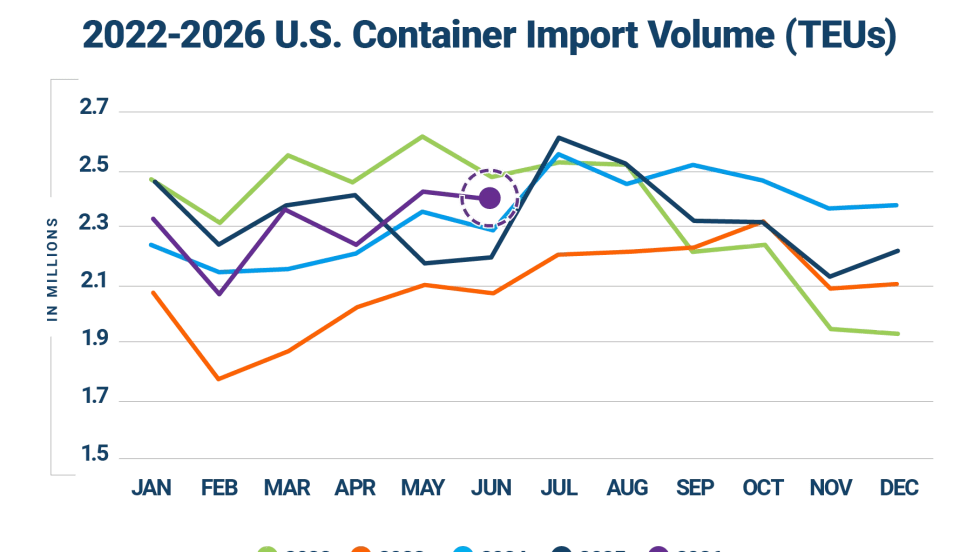
Import Cargo’s Early Peak Season is Winding Down
There was an early start to peak season this year at the nation's gateway ports, as retailers brought in merchandise ahead of tariff changes in late July and responded to other supply chain uncertainties,
Read More →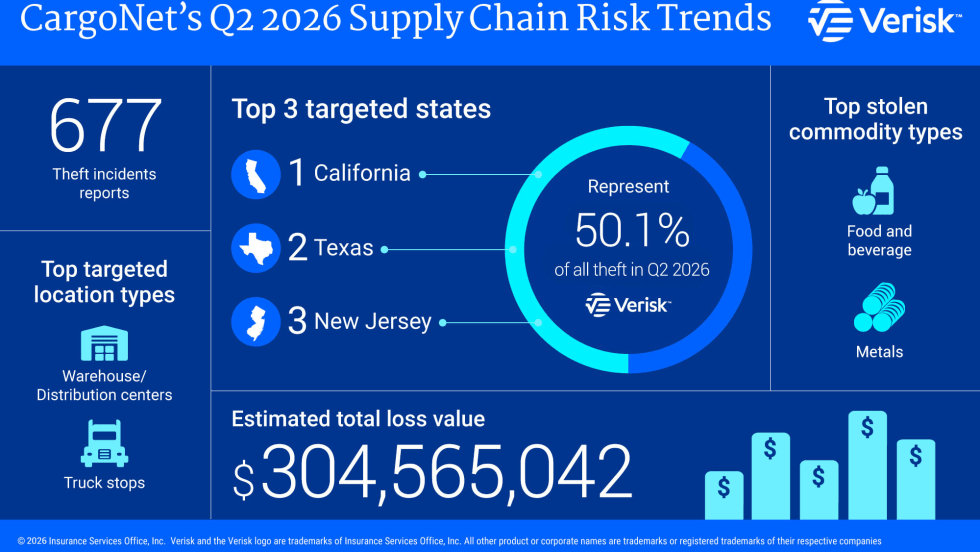
Fewer Cargo Thefts, Bigger Losses: Criminals Target Higher-Value Loads
CargoNet says organized theft rings are stealing fewer shipments but choosing more valuable freight, including metals and technology, resulting in record losses.
Read More →
How Innovative Trucking Leaders Turn Change Into an Advantage
As the pace of change accelerates in trucking, the fleets that adapt best have more than the latest technology. They have cultures that embrace improvement.
Read More →
Freight Broker Bonds Just Got Harder to Get. Here's What That Means for Your Fleet.
When it gets harder for a freight broker to prove they are financially sound, the ones who cannot clear that bar get pushed out of the market. And those are exactly the brokers who used to leave motor carriers holding the bag.
Read More →
Long-Awaited Canadian Border Bridge to Open in Detroit
For trucking, the bridge opening should offer immediate improvements in efficiency and reliability, with new customs facilities, expanded inspection capacity, and direct freeway-to-freeway connections.
Read More →
Aurora Rolls Out Next Generation of Driverless Trucks for Commercial Freight
Aurora's latest autonomous trucks it's rolling out with International feature lower-cost hardware designed for a million miles as the company expands commercial driverless freight operations across the U.S. Sun Belt.
Read More →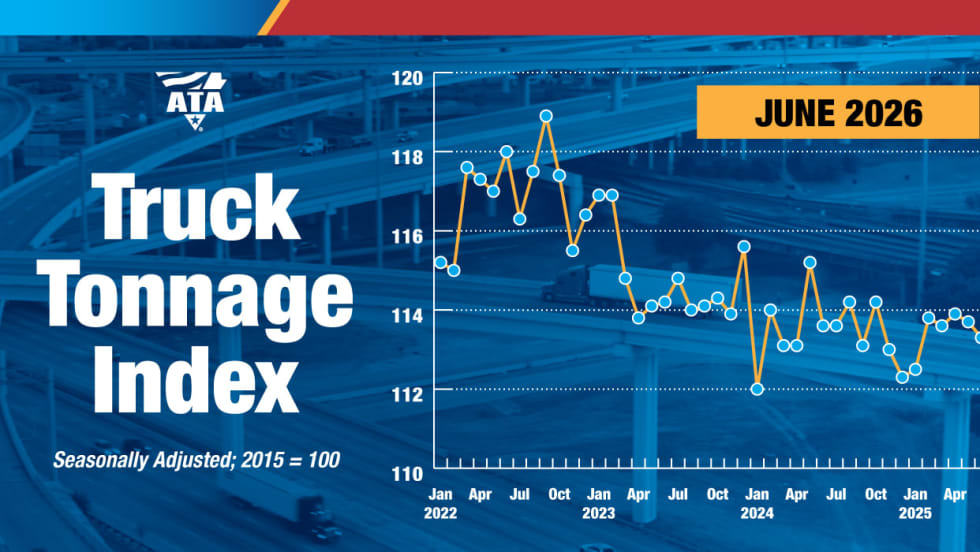
Freight Tonnage Down, Rates up, as Lower Capacity Powers Trucking Recovery
The recovery from the freight recession continues to be driven by reduction in capacity rather than by increased demand.
Read More →
Think Your Trucking Fleet Isn't Using Much AI? Think Again
Shadow AI — the use of unauthorized artificial intelligence tools at work — is becoming increasingly common, putting sensitive company data at risk. Learn how trucking fleets can protect sensitive data while embracing AI.
Read More →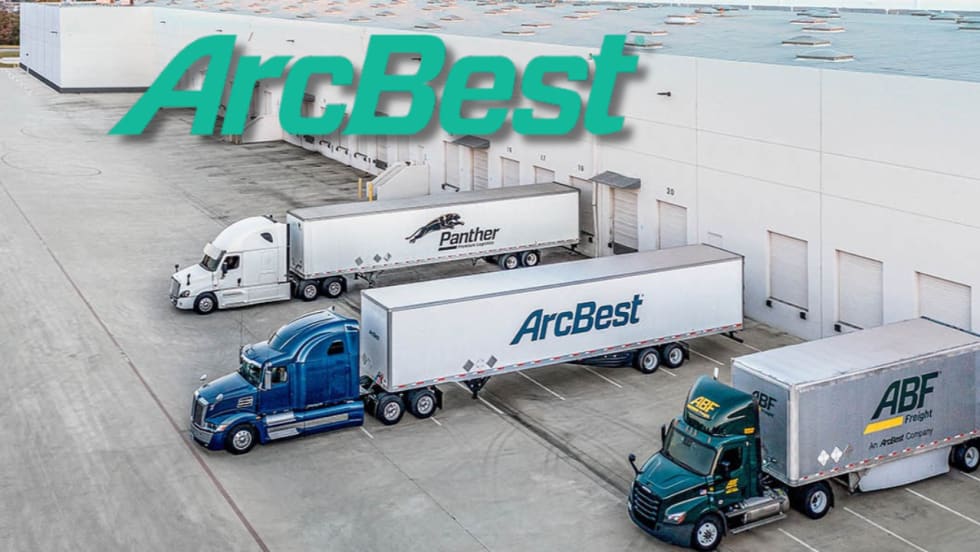
ArcBest Consolidates Brands, Cuts Workforce
The company will bring three business units under the ArcBest brand, eliminate about 2% of positions, and expects the changes to generate $40 million in annual savings.
Read More →
Trucking Fleets Faced Record Operating Costs During Third Year of Freight Recession
ATRI's annual operational cost report shows carriers trimmed fleets, delayed equipment purchases, and ran older trucks as expenses continued to outpace freight rates.
Read More →