




Kenworth, Dina Reconsidering Mexican Investments
Paccar subsidiary Kenworth Mexicana S.A. de C.V. and Mexican truck maker Consorcio G Grupo Dina S.A. de C.V. are reportedly re-evaluating their plans to invest in Mexico after the country relaxed import restrictions on pickup trucks
Paccar subsidiary Kenworth Mexicana S.A. de C.V. and Mexican truck maker Consorcio G Grupo Dina S.A. de C.V. are reportedly re-evaluating their plans to invest in Mexico after the country relaxed import restrictions on pickup trucks.
According to local news reports, Kenmex General Director Samuel Means III told a conference of commercial truck manufacturers, "We had important investment plans we are now re-thinking." He said Kenmex has invested $300 million in Mexico during the last three years and the firm had planned to spend "along the same lines" this year.
A Dina executive issued a similar warning. Both were attending the annual meeting of ANPACT, Mexico's association of bus, truck and trailer manufacturers.
The companies are concerned that new Mexican import laws could undermine the market for used trucks here. The government last week ended its ban on the importation of pickup trucks that are more than 10 years old, allowing aging trucks to enter the country for a $200 fee.
Vehicle manufacturers reportedly blame the move on politics, charging that government officials hope to win the votes of many Mexicans who buy inexpensive used vehicles in the U.S. then drive them across the border. Although Kenmex and Dina don't build pickups, company officials reportedly worry that the government may also ease import restrictions on commercial vehicles.
"The very same people who should be enforcing the law are changing it to endorse law breakers," Means told Bridge News. "How can you have confidence in an investment environment like that?"
More Equipment
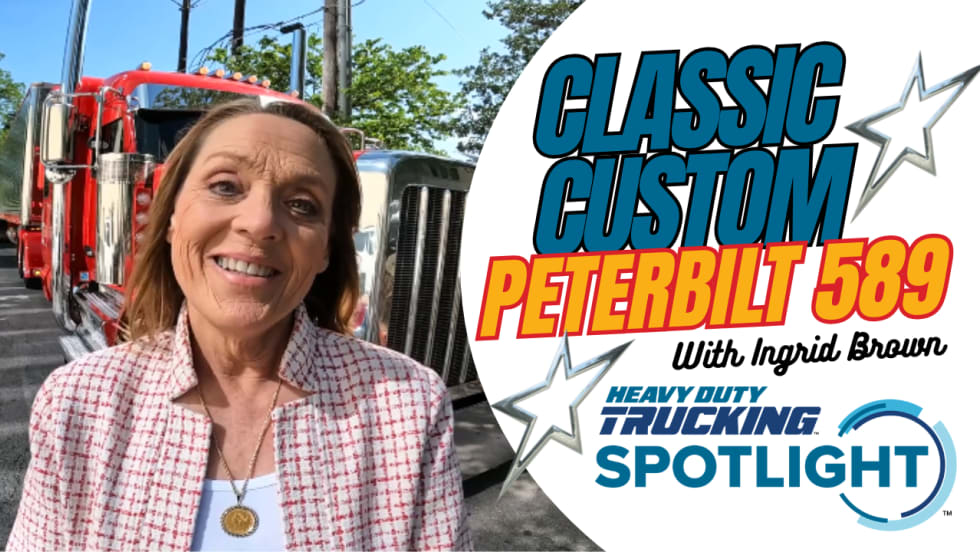
Peterbilt 589 Spotlight: A Close Look at a Custom Working Truck [Video]
There's more to this customized Peterbilt Model 589 and Great Dane refrigerated trailer than chrome and stainless (although there's plenty of that too!) A veteran driver explains the design choices and practical features behind this working truck.
Read More →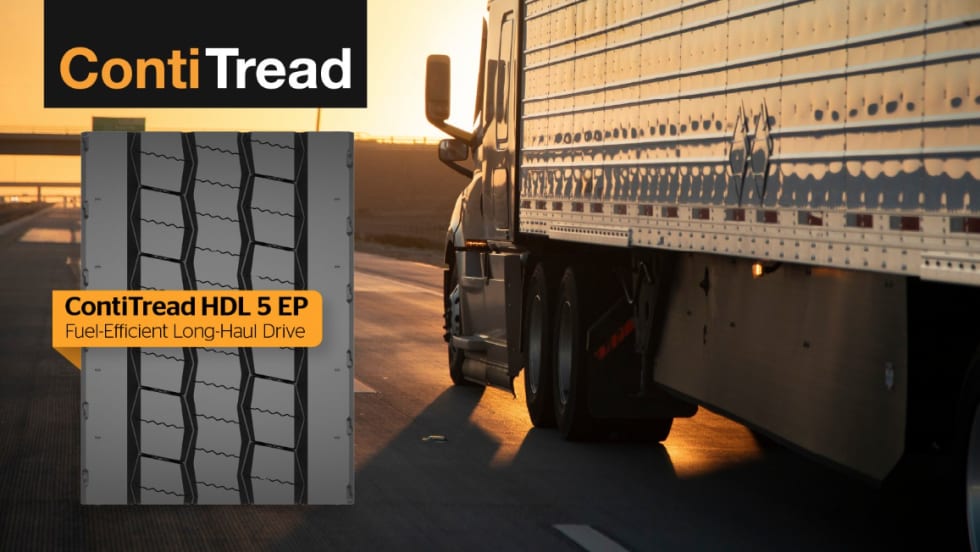
Continental Expands Retread Lineup With New ContiTread HDL 5 EP
New long-haul drive retread is designed to improve fuel efficiency, extend tread life, and lower fleets' cost per mile.
Read More →
EPA Proposal Could Ease 2027 Truck Costs and Buying Uncertainty
The proposal doesn't change the tougher NOx standard, but it would revise key implementation requirements that manufacturers say have driven up costs and complicated fleet purchasing decisions.
Read More →
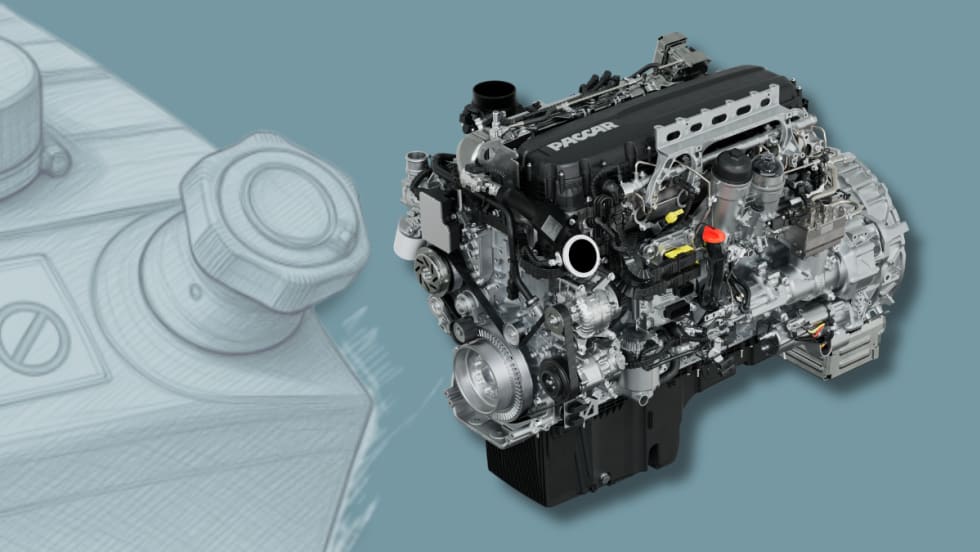
Cummins, Paccar Ease DEF Derates After EPA Guidance
Updated diesel engine software gives truck operators more time to address emissions-system issues while staying compliant with EPA emissions standards.
Read More →
America at 250: How the Truck Helped Connect a Continent
America was founded on revolutionary ideas, but it was built by movement. For 250 years, the nation has depended on ever-better ways to move people, products, and prosperity across a vast continent. No machine has carried that mission further — or more faithfully — than the truck.
Read More →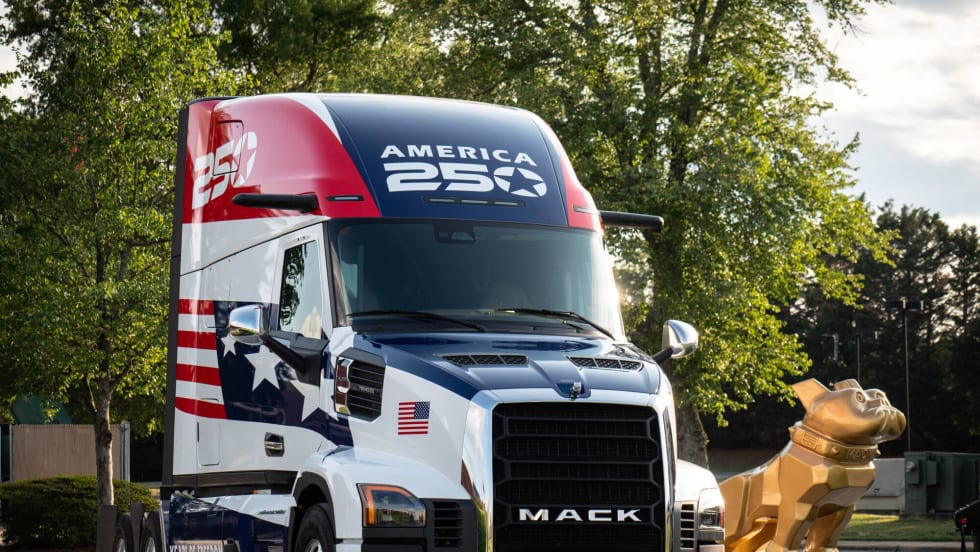
Mack Unveils America 250 Tribute Truck to Celebrate Nation's Semiquincentennial
Just in time for the Fourth of July! Mack unveils a brand-new patriotic, limited-edition, red, white, and blue truck wrap.
Read More →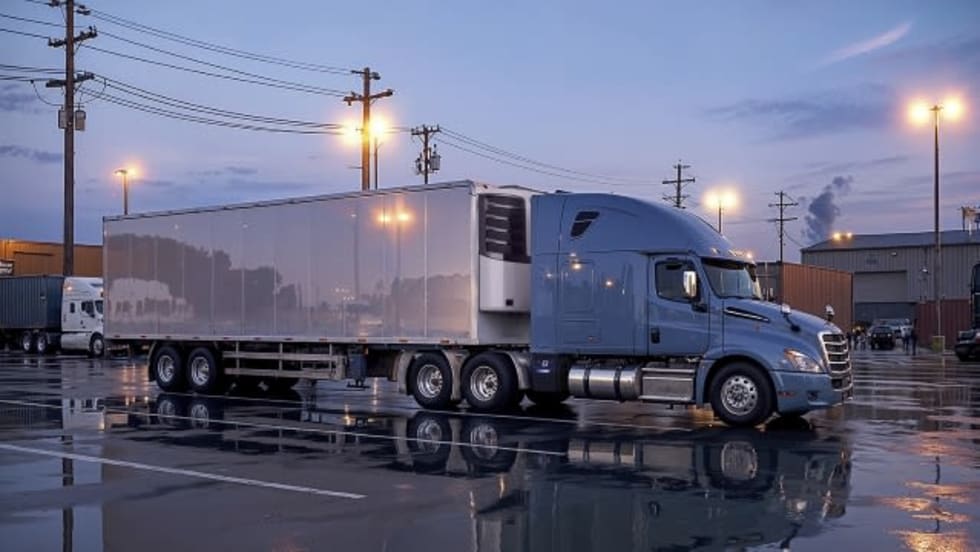
Enhance Fleet Performance with High-Efficiency Auxiliary Power Units
Drive sustainable cost savings while increasing driver comfort during short- and long-haul logistics operations.
Read More →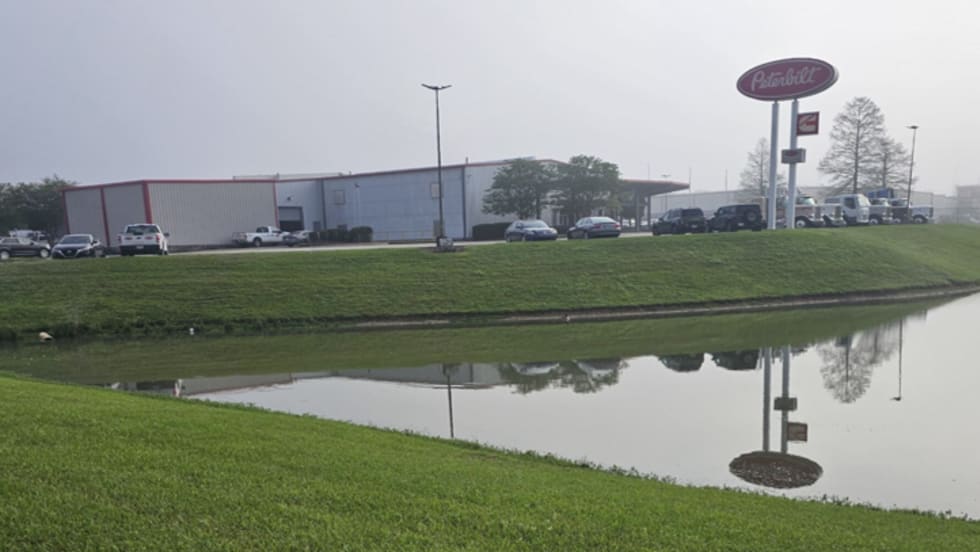
Rush Expands Gulf Coast Peterbilt Network With Louisiana Acquisition
The expanded Rush network gives fleets additional sales, service, leasing and collision repair support across Louisiana's major trucking markets.
Read More →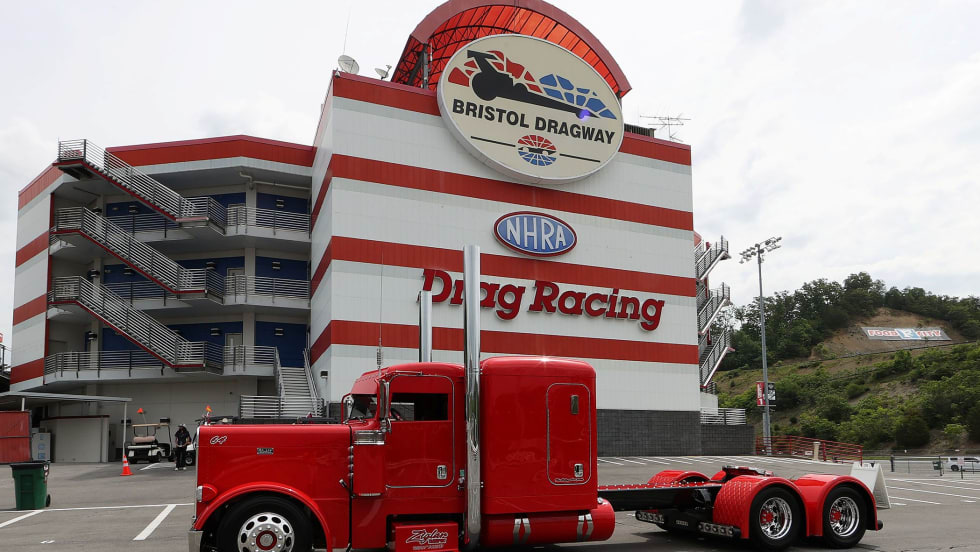
Photos: Shell SuperRigs Light Up Bristol Tennessee
Kenny Ziglar II of Rawlins, Wyo., captured Best of Show honors for the second consecutive year with his 2007 Peterbilt 379, nicknamed “Scrapin By,” at the 44th Annual Shell Rotella SuperRigs competition held June 25-27 at Bristol Motor Speedway in Bristol, Tenn.
Read More →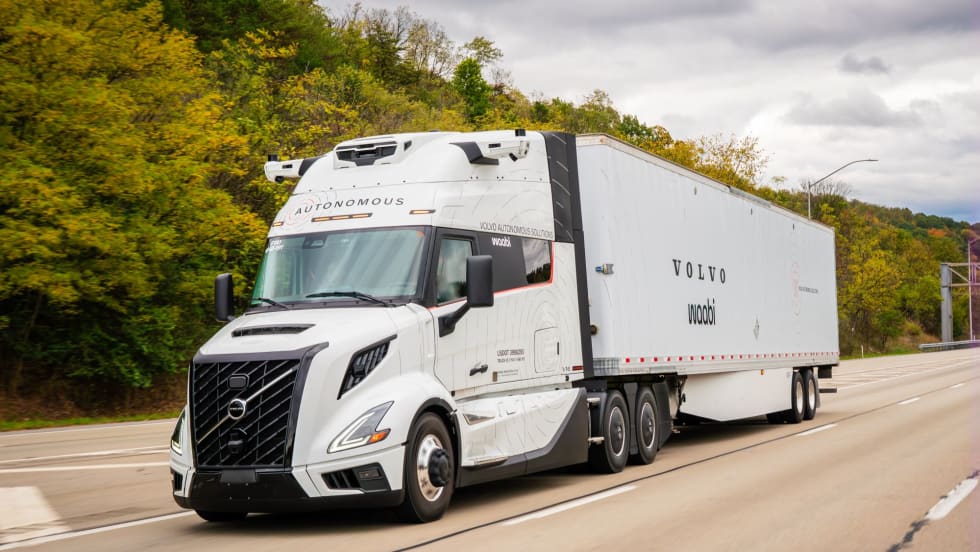
Waabi, Volvo Claim Breakthrough in Scaling Autonomous Trucking
Waabi says its AI-powered virtual driver successfully transferred to Volvo Autonomous Solutions' Volvo VNL Autonomous platform without retraining or additional data, a milestone the companies say could dramatically accelerate commercialization of autonomous trucks.
Read More →