




International Introduces Class 8 eRH Electric Truck
The new International eRH electric truck features a 113” bumper to back of cab (BBC) measurement for optimized forward visibility.

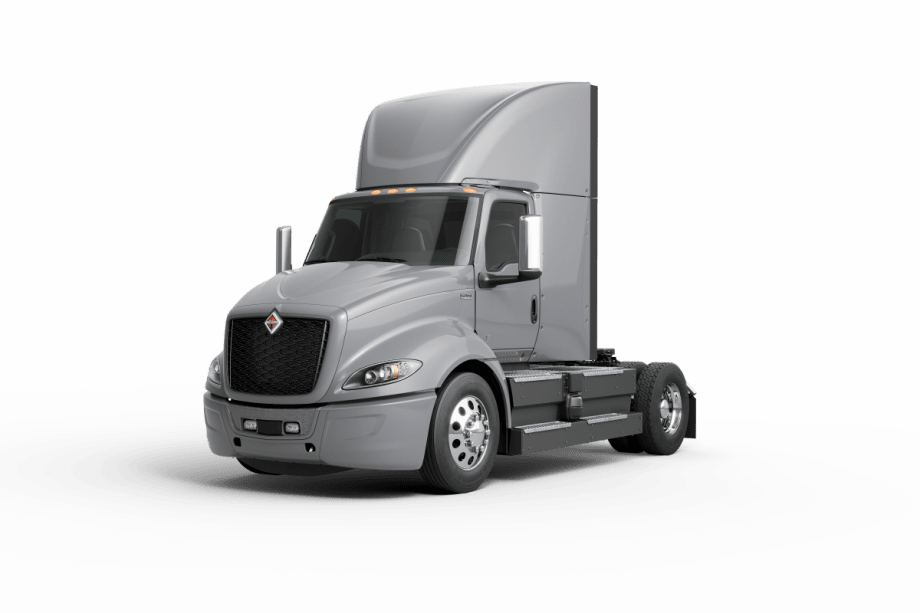
The new International Class 8 eRH electric tractor offers fleets a single-charge range of up to 300 miles, depending on configuration, battery capacity, and use.
Photo: International Motors
International Motors has pulled the curtain back on its new, all-electric Class 8 regional haul tractor.
The OEM said its International eRH Series is designed to meet the demands of heavy-duty regional and drayage fleets.
Optimized for Regional Haul Routes
The new eRH is available in 4x2 and 6x4 axle configurations.
The truck offers fleets a single-charge range of up to 300 miles, depending on configuration, battery capacity, and use.
"We are excited to add the eRH to serve International’s Class 8 battery-electric customers," said Justina Morosin, senior vice president, Sales and Field Operations, International. “This new solution perfectly complements our current battery-electric vehicle lineup and underscores our commitment to innovation. At International, our focus is on providing a seamless journey—from the initial purchase to ongoing support—ensuring a smooth customer experience every step of the way."
International said the eRH is built on the proven foundation of the diesel-powered RH Series. The new electric truck is optimized for productivity in local and regional haul applications.
It features a 113” bumper to back of cab (BBC) measurement for optimized forward visibility. Other features include a wheelbase designed for tight turning radiuses.
The Bendix Fusion integrated driver assistance system provides safer road operations.
The ergonomic design inside the cab provides ample space and conveniently grouped switches for ease of use.
“I’m proud of the R&D and all cross functional teams at International. Bringing the eRH to the market was no small task, and it’s something everyone takes pride in,” said Michael Grahe, executive vice president of research and development, International. “Our teams have been working hand in hand with our customers throughout this development process to ensure that the eRH not only meets the demands of their business today but will continue to do so well into the future as the landscape of commercial transportation evolves.”
An Advanced Energy Management System
The eRH comes with lithium nickel manganese cobalt (NMC) battery configuration options ranging from 300kWh to 500kWh usable battery capacity. This setup provides high energy density in a compact space, International said.
It also allows the eRH to come packaged with low curb weight, which maximizes payload and profit for the customer.
The tandem and single eAxle configurations reduce the complexity and maximize efficiency of the vehicle drivetrain.
This results in lower total operating costs while providing peak and continuous power with optimal performance.
The eRH offers three levels of driver-selectable regenerative braking, extending range while allowing drivers to best suit their needs.
Penske is the first fleet to receive new eRH models from International.
"We’ve invested heavily in infrastructure, operations and training to ensure we are ready to adopt battery-electric vehicles as they become available,” said Paul Rosa, senior vice president, procurement and fleet planning, Penske. “We are excited to be among the first to demonstrate the capabilities of the eRH.”
Series production of the eRH will start in the first half of 2026.
More Fuel Smarts

How Volvo Updated Its D13 for EPA 2027 [Watch]
Volvo’s updated D13 promises lower emissions without sacrificing performance or fuel economy. Take a closer look at what changed inside the engine in this HDT Spotlight video.
Read More →
Diesel Price Spike Shortens Payback for Natural Gas Trucks, Report Says
Energy Vision estimates fleets could recover the higher purchase price of an RNG-fueled Class 8 tractor in 1.3 to 2.8 years under current fuel-price scenarios.
Read More →
Calstart Becomes Catalyst Mobility, Reflecting Broader Focus
Calstart is now Catalyst Mobility, reflecting the nonprofit’s growing national role in clean transportation, including zero-emission trucks, infrastructure and incentive programs.
Read More →

Record Diesel Prices Squeeze Trucking Fleets
Average U.S. diesel prices have climbed to nearly $6 a gallon, surpassing the 2022 record as tight refinery capacity and Middle East disruptions keep fuel costs elevated.
Read More →
How Fuel Delivery Shapes Engine Performance
Fuel delivery depends on more than what happens at the injector. For fleet, maintenance and technical professionals, looking at the full path from pump to injector can provide useful context for understanding engine performance.
Read More →
East Coast Port Launches $45M Electric Truck Push
The Port Authority of New York and New Jersey announced millions in incentives for zero-emission drayage trucks, yard tractors, and new charging hubs near the port.
Read More →
California Bill Could Shed Light on Electric Truck Prices
Why do battery-electric Class 8 trucks remain so expensive? A California bill headed to Gov. Gavin Newsom would give fleets and state agencies more visibility into what manufacturers charge.
Read More →
Detroit Opens Orders for EPA 2027 Engines
Detroit isn’t starting from scratch to meet EPA 2027 diesel emissions standards. Its Gen 6 DD13 and DD15 engines keep much of today’s platform while updating the fuel and aftertreatment systems.
Read More →
Zero-Emission Truck Corridor Planned for West Coast
California, Oregon, Washington, British Columbia and Baja California are coordinating plans for truck charging and hydrogen fueling from Canada to Mexico.
Read More →
A Closer Look at Kenworth’s Electric T880E Vocational Truck [Video]
Learn more about Kenworth's T880E battery-electric vocational truck at the Paccar Technical Center, including its range, applications, upfitting considerations, and PTO options, in this HDT Spotlight video.
Read More →