




Tips for Keeping Truck Brakes Tip-Top in Winter Weather
Winter is hard on vehicle systems. And wheel ends are no exception. Here are some tips to keep truck brakes in good working condition when cold, snow, and ice are the order of the day.

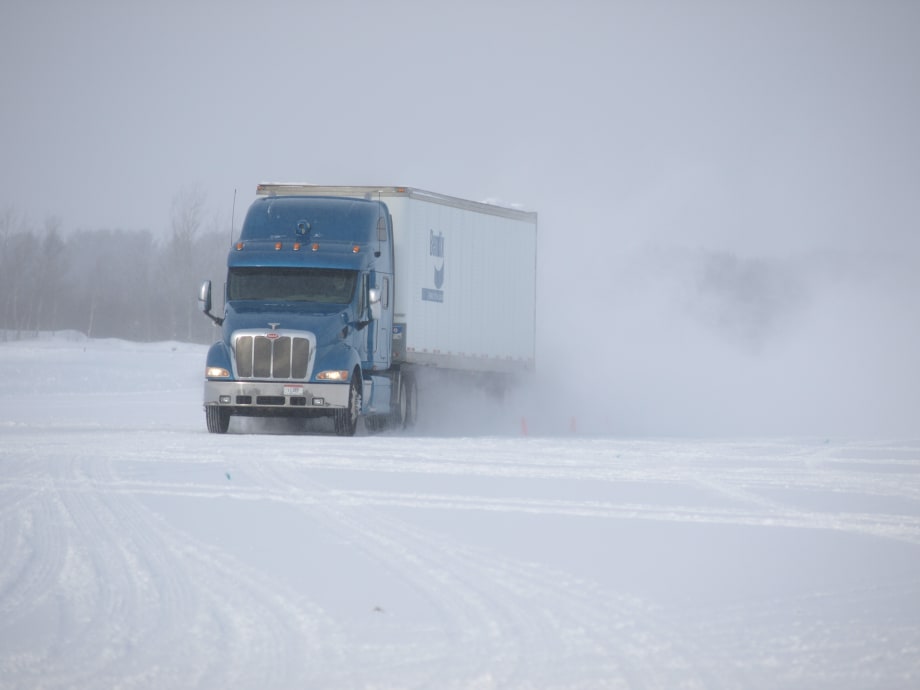
Commercial vehicle braking systems are vital to driver and highway safety year-round – but even more so in winter.
Photo: Bendix Vehicle Systems
Commercial vehicle braking systems are vital to driver and highway safety year-round – but even more so in winter, when road and weather conditions across North America make it even more imperative to have properly maintained components at the wheel-ends.
Bendix, as part of its Tech Tips Series, shares the following preventive maintenance practices to keep brakes in good working condition when cold, snow, and ice are the order of the day.
“Safety systems like full stability and collision mitigation can be valuable on winter roads, but they perform at their best only when the brakes at the wheel-ends are also in peak condition to deliver stopping power,” said Keith McComsey, director of marketing and customer solutions, Wheel-End, at Bendix Spicer Foundation Brake, a joint venture between Bendix Commercial Vehicle Systems LLC and Dana Commercial Vehicle Products LLC. “The right preventive maintenance practices can make all the difference.”
Take a Good Look
Inspect air brake chamber housings for damage or corrosion and ensure that dust plugs are properly installed and seated. On air-disc-braked wheel-ends, check for cuts or tears on the protective boots.
“What you’re looking for here is anything that could allow corrosive materials to take hold,” McComsey explained. “Not just water, but things like harsh chemicals used to treat winter roads. Excessive corrosion of the chamber can lead to failure of the housing, and ripped or punctured boots can allow contaminants and moisture to get into an air disc brake caliper, causing corrosion and long-term damage.”
Air disc brake guide pins should also be inspected for slidability, and the shear adaptor cover needs to be in place and fully seated. Preparing air disc brakes for winter weather also means checking that the pads move freely in the carrier – if not, remove them and clean the carrier surface with a wire brush – and making sure the brake moves freely on its guidance system, which should be replaced if movement is restricted.
Lessons in Lubrication
Effective lubrication is key in combating winter corrosion, particularly when it comes to automatic slack adjusters (ASA), according to McComsey (sometimes called automatic brake adjusters, or ABA).
“When you force new lubricant into an ASA, you’re achieving two goals,” he said. “First, you’re purging the old grease, along with any water or contaminants that found their way in; and second, you’re protecting the adjuster’s internal gear sets, clutches, and other components from wear.”
Lubricating an ASA is simple, requiring a technician to just locate the adjuster’s grease fitting, attach the hose from a grease gun, and inject new grease until old grease is forced through the release opening. (The release location varies depending on the ASA make and model.) The process should take less than a minute per adjuster.
Slack adjusters that don’t receive regular greasing may not maintain the correct brake stroke and provide optimal stopping power – a direct impact on safety.
Clevis pin connections, cam tubes, shafts, and bushings should also be lubricated to keep winter moisture at bay and prevent corrosion.
“Truck drivers have a lot to watch out for when they’re out on the roads in winter,” McComsey said. “The right wheel-end practices in the shop can help deliver peace of mind when it comes to their brakes.”
More Maintenance

Color Match Smarter: Tools That Restore & Perform
For fleet managers and collision repair professionals keeping heavy-duty trucks on the road, getting the color right the first time isn't just about appearance — it's about efficiency, turnaround time, and bottom-line results. Discover how today's digital color tools are transforming the repair process from guesswork to precision.
Read More →
Wrong Repair Prompts Recall of Freightliner, Western Star 4x2 Trucks
DTNA is recalling more than 2,400 trucks that received an incompatible software fix instead of the hardware repair required to address brake valve corrosion.
Read More →
Truck Drivers Need More Than Another Alert
Fleets have more visibility into truck health, safety events, and driver activity than ever. The next challenge is turning all that information into useful guidance for the person who has to decide what to do next.
Read More →
The Maintenance Checks Trucking Fleets Should Prioritize Before Fall Freight Picks Up
Making it through August isn’t the same as being ready for the next several months of operation. Find out what systems may have suffered from summer heat and need to be checked out before fall.
Read More →
What Three Fleets Are Doing Differently When Buying Truck Parts in 2026
With freight improving but costs still climbing, fleet maintenance executives explain how they're balancing price, quality, and supplier relationships.
Read More →
Paccar Recalls 2027 Trucks Built This Summer for Possible Electrical Problem
The nearly 6,000 Kenworth and Peterbilt trucks in the recall could potentially lose engine power, among other things.
Read More →
Will API PC-12 Oil Change Trucking Fleet Maintenance?
The new API PC-12 heavy-duty engine oil category reflects the changing demands of modern diesel engines. But fleets like Foodliner are looking to getting their own data before making decisions on adopting the new oils and questions such as extending oil drain intervals.
Read More →
Brake Safety Week to Focus on Drums and Rotors
Commercial vehicle inspectors are focusing on truck brakes during CVSA's Brake Safety Week, August 23-29.
Read More →Possible Battery-Cable Fires Prompt Recall of 15,000+ International MV and HV Trucks
On the recalled vehicles, manufacturing variations can cause the battery interconnect cable to contact the auxiliary stud and hold down the bracket.
Read More →
Rush, MCT Team Up to Grow Refrigeration Service Network
The joint venture will operate MCT's network of Carrier Transicold dealerships and mobile service locations, with the companies promising greater service capacity and uptime for refrigerated fleets.
Read More →