




Safety Tips for Winter Driving Conditions
Winter weather amplifies the danger of being stranded, broken down or involved in an accident, and not being properly prepared with basic travel needs such as food, blankets, and water can lead to life-threatening scenarios.

(Creative Commons image)

(Creative Commons image)
American Trucking Associations (ATA) and America’s Road Team Captains are spreading holiday cheer —along with critical safety tips for traveling through adverse weather conditions.
“Inclement weather conditions on the road create driving hazards that require extra attention during the winter months,” said America’s Road Team Captain Rhonda Hartman, of Old Dominion Freight Lines. “When traffic volumes increase around some of the major travel holidays, it makes driving safely even more difficult. So, as professional truck drivers, we have some tips for you and your family.”
ATA’s Our Roads, Our Safety coalition partners at AAA, project more than 107 million Americans will travel more than 50 miles this holiday season, making this year a 3% increase from 2016. High traffic volume can contribute to increased risk of congestion and accidents. Winter weather amplifies the danger of being stranded, broken down or involved in an accident, and not being properly prepared with basic travel needs such as food, blankets, and water can lead to life-threatening scenarios.
“As a truck driver, I am one of the last people out on the road helping Santa with his presents during the holiday season,” said America’s Road Team Captain Tim Melody, of ABF Freight Systems Inc. “Having an informed motoring public that understands and adjusts to the hazards of winter driving makes my job easier.”
Snow and ice pose unique challenges for drivers. Being acutely aware of the weather conditions and forecast can prevent unexpected circumstances and make for a safer trip. Practicing caution at all times, even when traveling at low speeds on city streets, can prevent property damage and injury.
Impaired driving also puts the general motoring public at risk, including the professionals tasked with delivering holiday gifts, decorations and foods. Arranging safe methods of transportation this holiday season is very important.
“As a truck driver from the chilly state of Minnesota, I have to be prepared to make quick decisions when confronted with snow, ice and other forms of wintery weather, and I count on the people around me to make quick, safe decisions as well,” said America’s Road Team Captain Bill Krouse, of YRC Freight. “It’s important to be constantly aware of your surroundings, the weather and the flow of traffic. We all share the road with families, neighbors, friends, and colleagues who are trying to celebrate 2017 and the coming new year, and it is irresponsible to put other people in danger by being neglectful of your duties as a driver.”
Remove ice and snow from your vehicle: Clear your windows and roof of snow to ensure you have maximum visibility and avoid creating a hazard for the vehicle behind you. Do not allow ice and snow to create additional blind spots on your vehicle.
Slow Down: Chances of a crash nearly triple when driving faster than surrounding traffic. Skidding becomes more likely at increased speeds, especially on icy roads, or if you are driving a sleigh like Santa.
Buckle Up: A safety belt will not prevent a collision, but it will save a life.
Do not drive impaired: Driving is a great responsibility and your fellow travelers are relying on safe, attentive drivers to respectfully share the road and make good decisions. Lay off the eggnog if you plan to drive.
Avoid impaired drivers: Report drunk drivers to 911 – after safely pulling over – and stay on the line to help locate the suspected vehicle. A call can save lives. Erratic breaking, weaving between lanes, straddling the center line or taking excessively wide turns can all be signs of impaired driving.
Be aware of truck blind spots: Trucks deliver all of your favorite holiday traditions. Pass on the left where the truck’s blind spot is much smaller.
Keep your eyes on the road: Distracted driving is a major cause of traffic accidents and one of the leading causes of death amongst teenagers. Even just two seconds of distraction time doubles the chances of an accident. Use your cell phone when stopped and never text while driving. Technology gifts are popular during the holiday season, but should not be operated while driving.
Do not cut in front of large trucks: Remember trucks are heavier and take longer to make a complete stop, so avoid cutting quickly in front of them. Consider this while watching the bowl games: fully loaded tractor-trailers can take the length of a football field plus both end zones to make a complete stop. ATA partnered with AAA, the American Bus Association and the Federal Motor Carrier Safety Administration on this recently released video about stopping distances.
Prepare your vehicle for long distance travel: Before you head out to see your aunts, uncles, and cousins, check your wipers and fluids and have your radiator and cooling system serviced. Simple maintenance before you leave your home can prevent many of the problems that strand motorists on the side of the road.
Prepare yourself for long distance travel: The vehicle needs maintenance and the driver needs plenty of rest and hydration to function at his or her best. If you feel drowsy, pull over and wait until you are more alert.
Leave early and avoid risks: Leave early to reduce anxiety about arriving late. Road conditions may change due to inclement weather or traffic congestion.
Be aware of the vehicle in front of you: Leave extra room between you and the vehicle ahead.
More Safety & Compliance

ZF Expands Commercial Vehicle Push in North America
ZF is expanding its North American commercial-vehicle presence with new transmission applications, electrification, trailer technology and autonomous-driving systems.
Read More →
Truck Drivers Need More Than Another Alert
Fleets have more visibility into truck health, safety events, and driver activity than ever. The next challenge is turning all that information into useful guidance for the person who has to decide what to do next.
Read More →
Tesla Wants a Self-Driving Semi. Are Cameras Enough?
Could Tesla’s camera-only autonomous driving technology work on an 80,000-pound Semi? In this commentary, HDT's Deborah Lockridge takes a look at Tesla, Cybercab, and how autonomous trucks see the road.
Read More →
What DOT’s Automated Vehicle Strategy Means for Trucking
The U.S. Department of Transportation issued a new automated-vehicle strategy that outlines plans for driverless-truck regulations, cross-state freight corridors, and federal safety standards.
Read More →
NYC Expands Speed, Pedestrian Safety Tech Across Fleet
New York City is expanding intelligent speed assistance and pedestrian-alert systems across its municipal fleet, moving the technologies from pilot programs into vehicle procurement and retrofit requirements.
Read More →
FMCSA Removes 110 Truck Driver Training Schools from Certified ELDT List
Federal regulators also are targeting more than 160 additional training providers and launching a nationwide audit of third-party CDL skills testers as part of a broader crackdown on trucking fraud.
Read More →
Beyond DOT Compliance: What Makes a Trucking Fleet Truly Safe?
A trucking fleet can follow every rule and still make unsafe decisions. The real test comes when safety conflicts with freight, productivity, or cost.
Read More →
Hours of Service Pilot Programs: FMCSA Readies for 2027 Rollout
Two pilot programs could eventually reshape hours-of-service rules, giving truck drivers options to pause their 14-hour clock or use longer split sleeper rest periods.
Read More →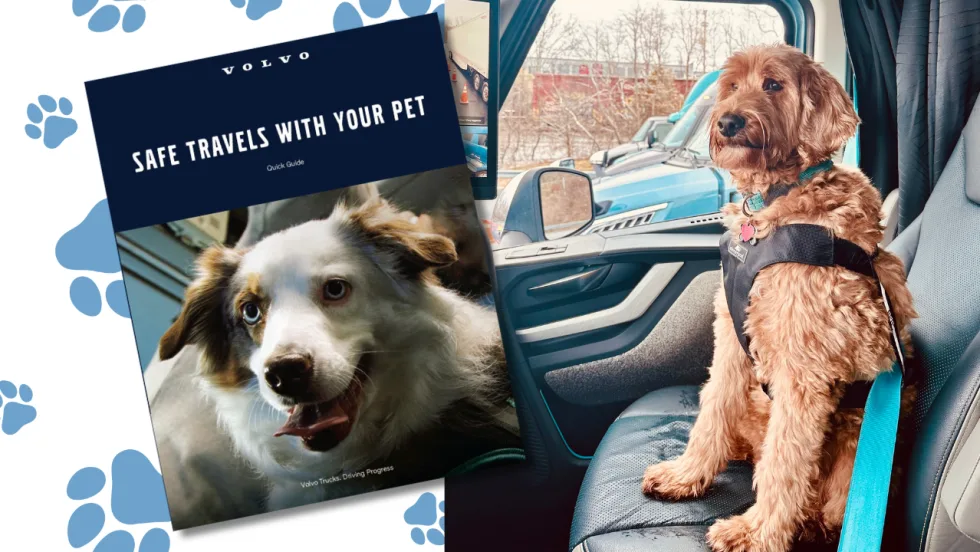
New Guide Offers Pet Safety Tips for Truck Drivers
Hundreds of thousands of pets travel in truck cabs. A new safety guide from Volvo Trucks and the Center for Pet Safety offers practical advice for truck drivers who bring dogs and cats along for the ride.
Read More →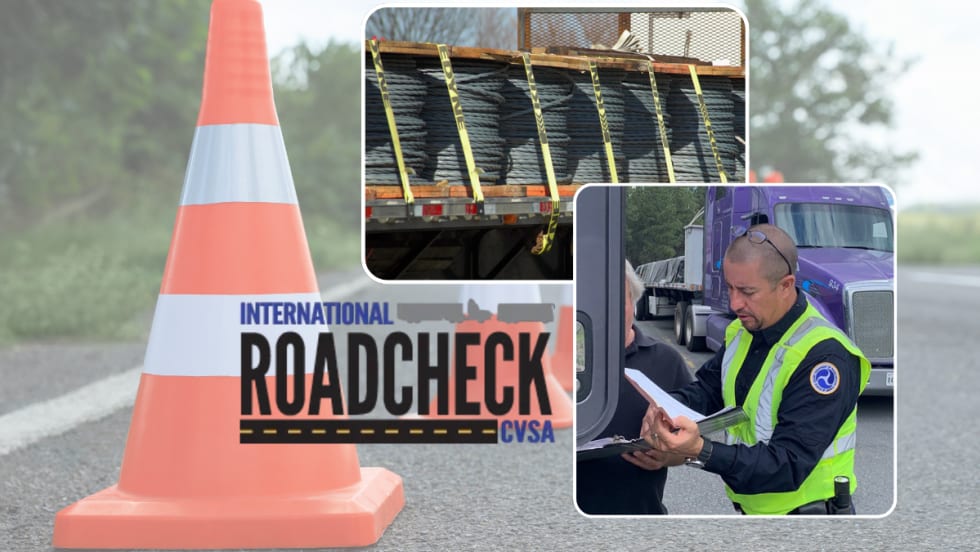
Medical Cards, English Proficiency Reshape Roadcheck Violations
Medical-card violations jumped to the top of the driver out-of-service list during CVSA’s 2026 International Roadcheck, while English-language proficiency violations appeared among the leading violations for the first time.
Read More →