




House Reintroduces Safe & Efficient Transportation Act
At the urging of The Coalition for Transportation Productivity, the Safe & Efficient Transportation Act has been reintroduced in the House of Representatives by Reps. Mike Michaud (D-Maine) and Jean Schmidt (R-Ohio)as H.R. 763

Under SETA, each state would have the option to set interstate weight limits of up to 97,000 pounds for trucks equipped with six axles instead of the typical five. (Photo by Jim Park)
At the urging of The Coalition for Transportation Productivity, the Safe & Efficient Transportation Act has been reintroduced in the House of Representatives by Reps. Mike Michaud (D-Maine) and Jean Schmidt (R-Ohio)as H.R. 763.
SETA would, if passed, increase the federal weight limits on Interstate Highways. The bill's reintroduction comes as Congress considers the first Highway Reauthorization package in more than six years.
The U.S. federal weight limit has been set at 80,000 pounds since 1982 - forcing shippers that meet this limit with space left in their trailers to use more trucks and fuel than necessary. The goal of SETA is to make truck transportation safer and more sustainable by giving states the ability to adjust federal weight limits on interstates within their borders.
Under SETA, each state would have the option to set interstate weight limits of up to 97,000 pounds -- giving shippers the ability to utilize more truck space. The higher weight limit would only apply to trucks equipped with six axles instead of the typical five. Without making the truck any larger, the additional axle maintains safety specifications, including stopping capability and current weight per tire.
"SETA provides a critical opportunity for Congress to enact a Highway Reauthorization proposal that modernizes American truck shipping standards in order to protect motorists and the environment, and give U.S. manufacturers and producers a competitive edge," said CTP Executive Director John Runyan. "Many shippers hit the 30-year-old federal weight limit with significant space left in their rigs and must use more truckloads, fuel and vehicle miles than necessary to get products to market. … Six-axle trucks can safely handle more weight, so American companies can utilize more rig space, minimize the trucks they need to meet demand and reduce their dependency on foreign oil."
According to CTP, the current 80,000-lb weight limit places U.S. industry at a competitive disadvantage when compared to producers in Canada, Mexico and the European Union.
"Without SETA, the inefficiency we are experiencing will only worsen," notes Runyan. "The American Trucking Associations estimates that the trucking industry will haul 30 percent more tonnage in 2021 than it does today. If current weight restrictions remain the same, that means our economy will require 18 percent more trucks on the road driving 27 percent more miles than they do now. If lawmakers look at the facts, we are confident that SETA will be included in the long-awaited Highway Reauthorization package."
The Coalition for Transportation Productivity is a coalition of more than 180 shippers and allied associations dedicated to addressing the safety, economic and environmental challenges facing our nation's freight transportation network through carefully crafted truck weight reform.
More info: www.transportationproductivity.org.
More Drivers
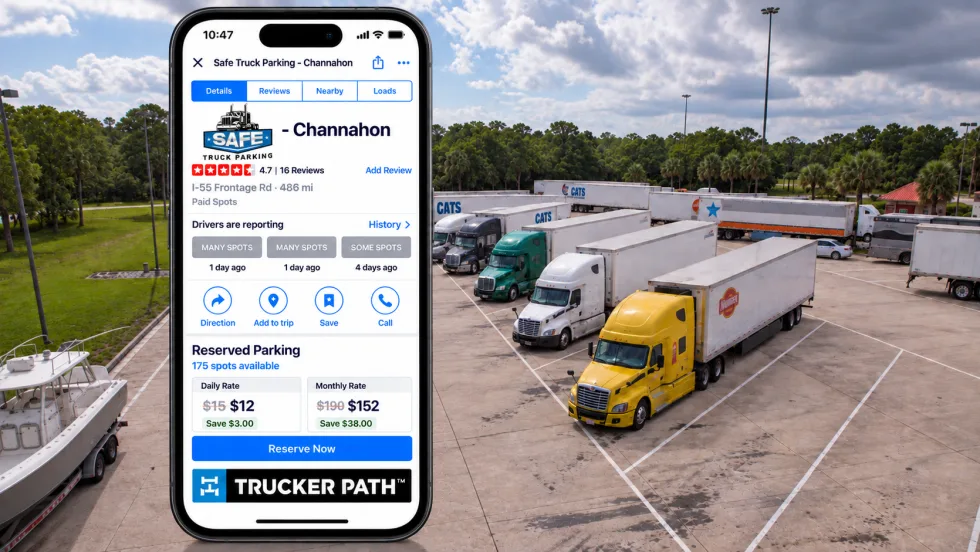
Trucker Path Expands Reserved Parking Network
Trucker Path has added close to 6,000 more truck parking spaces to its Trucker Path Reserved Parking Network with the addition of Safe Truck Parking.
Read More →
EEOC Sues Texas Trucking Company Over Driver Age Limits
The agency says Trancasa USA rejected applicants over 65 and applied tougher driving-record standards to those over 60.
Read More →
Nussbaum, Roehl Announce Second Driver Pay Increase This Year
This year has seen a swath of major truck driver pay increases as freight capacity has tightened.
Read More →
From One Generation to the Next: How Mentorship Builds Safer Truck Drivers
After three decades in trucking, Harold Perry shares what he's learned about driver safety, mentorship, and helping the next generation build confidence behind the wheel.
Read More →
Truck Drivers Need More Than Another Alert
Fleets have more visibility into truck health, safety events, and driver activity than ever. The next challenge is turning all that information into useful guidance for the person who has to decide what to do next.
Read More →
FMCSA Removes 110 Truck Driver Training Schools from Certified ELDT List
Federal regulators also are targeting more than 160 additional training providers and launching a nationwide audit of third-party CDL skills testers as part of a broader crackdown on trucking fraud.
Read More →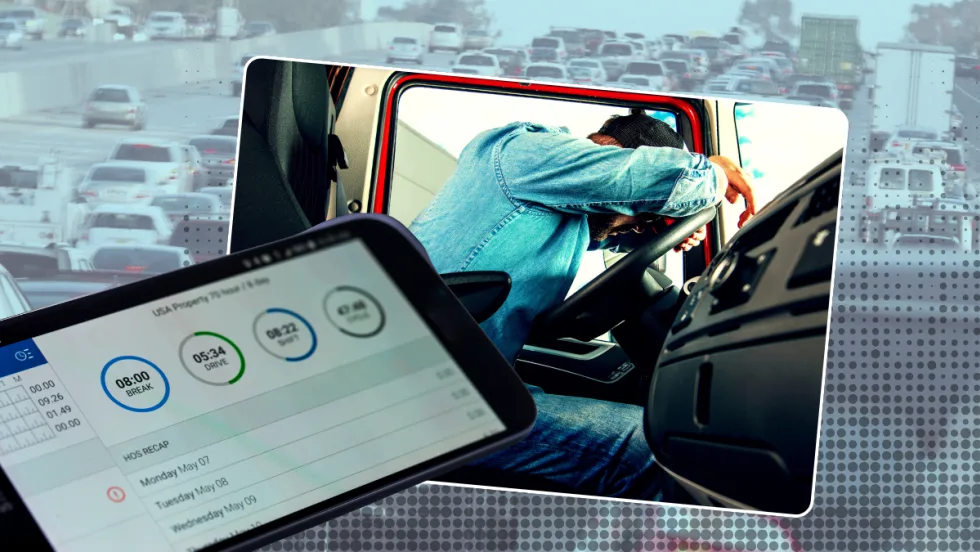
Hours of Service Pilot Programs: FMCSA Readies for 2027 Rollout
Two pilot programs could eventually reshape hours-of-service rules, giving truck drivers options to pause their 14-hour clock or use longer split sleeper rest periods.
Read More →
Medical Cards, English Proficiency Reshape Roadcheck Violations
Medical-card violations jumped to the top of the driver out-of-service list during CVSA’s 2026 International Roadcheck, while English-language proficiency violations appeared among the leading violations for the first time.
Read More →
Driver Trust Can Make or Break the Success of Fleet Safety Technology
New Teletrac Navman research suggests that onboarding, transparency about driver data, and positive feedback can play a significant role in how commercial drivers respond to safety and coaching technology.
Read More →
EEOC Sues KLLM Over Alleged Sex Discrimination in Driver Training
KLLM is facing a federal sex-discrimination lawsuit over policies the EEOC alleges put female truck driver trainees at a disadvantage.
Read More →