




Hino Hit with Massive Emissions Fines
Fines of more than $525 million have been levied against Hino Motors for falsifying data related to emissions performance by its heavy-duty diesel engines.

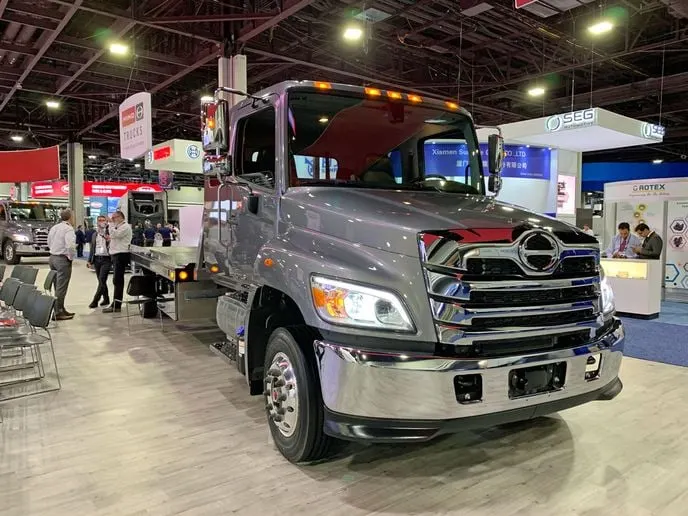
More than $1.6 billion in fines have been levied against Hino Motors for falsifying diesel engine emissions performance data.
Photo: Deborah Lockridge
The U.S. Department of Transportation’s National Highway Traffic Safety Administration has announced a $525 million civil penalty against Hino Motors and its U.S. subsidiaries. In late 2020, Hino paused U.S. truck production due to difficulty meeting U.S. Environmental Protection Agency emissions regulations.
The following year, Hino announced that it would begin using Cummins engines in its heavy truck models because it was unable to meet emissons regulations with its proprietary engines.
The fines resolve claims for falsified data for heavy-duty diesel engines, as well as related civil claims by the United States on behalf of the U.S. Environmental Protection Agency and U.S. Customs and Border Protection.
$1.6 Billion in Total Fines
This settlement is part of a larger resolution of the federal government’s criminal and civil claims, and other claims by California, against the companies.
According to news reports, all told, Hino will pay out $1.6 billion to resolve the emissions fraud scheme.
The Hino judgement is also the largest settlement that NHTSA has ever been involved in.
The settlement was reached after an extensive investigation by NHTSA in coordination with the U.S. Department of Justice, the U.S. Federal Bureau of Investigation, the U.S. DOT Office of Inspector General, the EPA and CBP.
Failure to Comply
Hino failed to comply with NHTSA fuel consumption requirements, the agency said.
The OEM also admitted it submitted false or fraudulent carbon dioxide emissions test data for the model year 2017 and 2018 J05E engines, resulting in false fuel consumption values being submitted for Hino’s heavy-duty engines.
Under the terms of the settlement, Hino admits to submitting false or fraudulent emissions test data, and agrees to file timely, complete and accurate submissions in the future as required by NHTSA’s fuel consumption program.
Hino Motors is majority owned by Toyota Motor Corp. and is headquartered in Hino, Tokyo.
“This settlement is a win for the American people and holds Hino Motors to account for falsifying fuel consumption data. NHTSA takes violations of federal law very seriously,” NHTSA Deputy Administrator Sophie Shulman said. “We would like to thank our federal partners – the U.S. Department of Justice, the Environmental Protection Agency, the U.S. DOT Office of Inspector General and U.S. Customs and Border Protection – for their invaluable work on this important case and for helping us deliver this record settlement.”
More Fuel Smarts

How GP Transco Builds Fuel Savings a Fraction at a Time
Aerodynamic specs, solar panels, and driver incentives help GP Transco turn small efficiency gains into savings it can reinvest in its people.
Read More →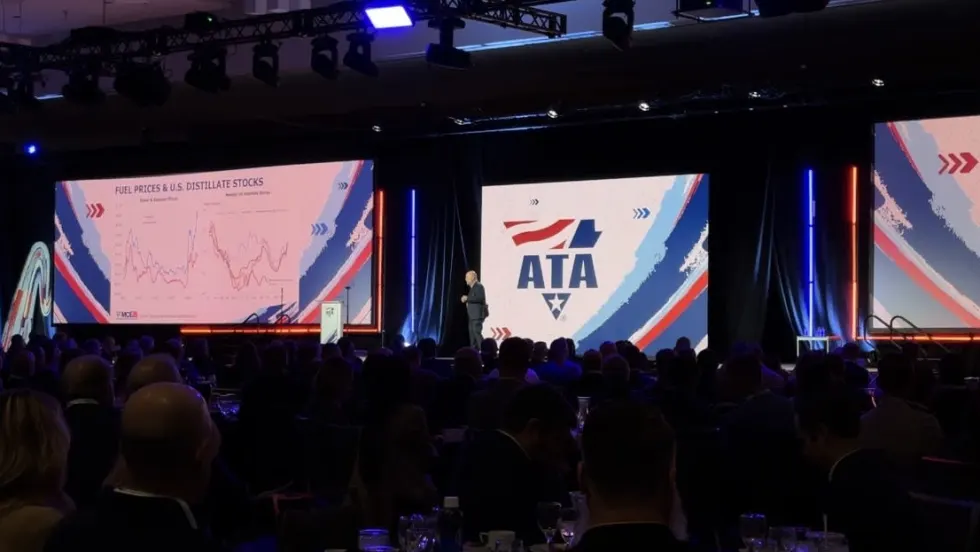
Trucking’s Diesel Squeeze Isn’t Letting Up
With diesel topping $6 a gallon nationally, ATA's Bob Costello explains why fleets should prepare for continued pressure at the pump.
Read More →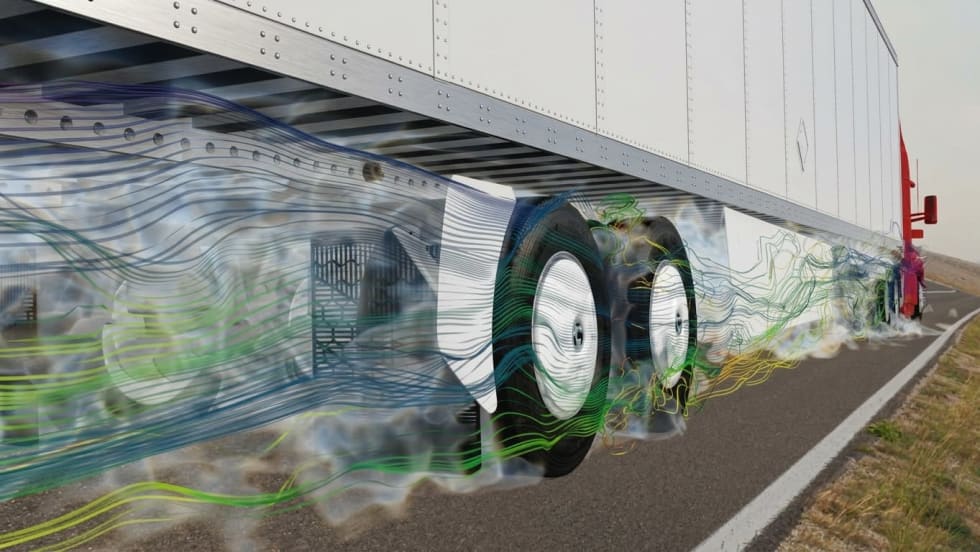
FlowBelow Redesigns Trailer AeroSlider to Cut Fuel Use
The lighter trailer aerodynamic system installs in less than 45 minutes, according to the company, with potential payback in under a year depending on fuel prices and trailer mileage.
Read More →
Why Diesel Price Relief Efforts May Fall Short
Diesel prices have eased from September’s record high, but doubts about additional Russian supply and limits on dyed-diesel tax relief mean trucking fleets still face expensive fuel. And prices could go higher.
Read More →
Why Small Fuel Savings Matter in Trucking
Can better fuel economy help pay for driver raises? In this podcast, GP Transco explains how small efficiency gains create room to reinvest in its people.
Read More →
How GP Transco Cuts Trucking Fuel Costs, a Tenth of a Gallon at a Time
What’s another tenth of a mile per gallon worth? GP Transco shares how equipment upgrades and driver coaching turn small gains into meaningful fuel savings.
Read More →
Electric Yard Tractors Move Beyond Pilots
Operating-cost savings have overtaken sustainability goals as the leading reason surveyed fleets are adopting battery-electric terminal tractors, according to new NACFE research.
Read More →
Geotab Links Fleet Card to Vehicle Data
The new card combines fuel discounts with telematics-based purchase controls. Geotab’s analysis also points to potential savings from choosing lower-priced fuel stops.
Read More →
Fleet Economics Shape Electric Truck Outlook
ACT Research expects costs, charging infrastructure, and technology improvements to drive zero-emission commercial vehicle adoption as federal regulations and incentives retreat.
Read More →
Wex Adds Cardless Fuel Payments for Over-the-Road Customers
A new fuel card feature for Wex customers offers convenience and security.
Read More →