




Highway Safety Improved in 2008
The number of traffic fatalities continued to fall in 2008, reported the National Highway Traffic Safety Administration. Fatalities dropped 9.7 percent between 2007 and 2008, from 41,259 to 37,261. The economic slowdown was undoubtedly a factor but the fatal accident rate also fell to an historic low of an estimated 1.27 deaths per 100 million vehicle miles traveled
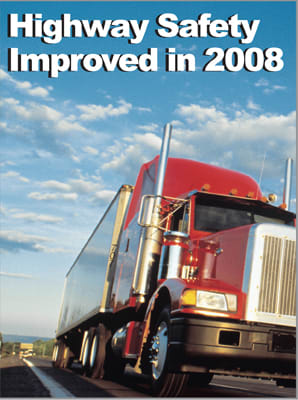
The number of traffic fatalities continued to fall in 2008, reported the National Highway Traffic Safety Administration. Fatalities dropped 9.7 percent between 2007 and 2008, from 41,259 to 37,261. The economic slowdown was undoubtedly a factor but the fatal accident rate also fell to an historic low of an estimated 1.27 deaths per 100 million vehicle miles traveled.
That's an estimate based on a trend - final 2008 VMT numbers have not been compiled yet.
There was good news for trucking, as well. The number of people killed in large-truck crashes fell 12 percent year-to-year, from 4,822 to 4,229.
The number of deaths among truck occupants dropped from 805 to 677, a 16 percent improvement. Included in that total are 72 fewer deaths in single-vehicle crashes and 56 fewer deaths in multivehicle crashes.
There also were significantly fewer fatalities among the occupants of other vehicles involved in heavy-truck crashes. The number dropped from 3,608 in 2007 to 3,139 in 2008, a 13 percent improvement.
Rose McMurray, acting deputy administrator of the Federal Motor Carrier Safety Administration, attributed this to several factors. On the car side, vehicles have become more crashworthy, and safety belt use has increased. "And we'd like to think, on our side of the equation, we've been doing more and more work with the states to do more enforcement of passenger vehicles that behave recklessly around large vehicles," she said.
The safety agency has been promoting a program called Ticketing Aggressive Cars and Trucks that raises public awareness of the hazards of driving around large vehicles, McMurray said. "Law enforcement has been ticketing people who have been driving aggressively around large vehicles. We like to think that has contributed to the success story."
The one negative in the new numbers is an increase in fatalities among "nonoccupants" in heavy-truck crashes - pedestrians, bicyclists and motorcyclists. That number went up from 409 in 2007 to 413 in 2008, a one percent increase.
McMurray said the agency will release the fatal accident rate for heavy trucks when it has the final data.
She said that many people deserve credit for the improvement, including law enforcement, government, safety groups, the industry, the media and, particularly, truck drivers who wear their seat belts.
McMurray added a precaution. "I do think that the economy does play a fairly significant role in the encouragement of these numbers. I think we have to be mindful that as freight demand rises, we have to be ever more vigilant to get these numbers where we want them to be."
The trucking and safety enforcement communities issued statements lauding the gains.
"This achievement is great for all highway users," said Bill Graves, president and CEO of American Trucking Associations. "The trucking industry remains committed to safety and ATA will continue to advance its aggressive safety agenda in an effort to further this outstanding trend."
Steve Campbell, executive director of the Commercial Vehicle Safety Alliance, which represents safety enforcement interests, said, "Clearly, focusing on educating drivers and enforcing the law on high-risk operators is paying off with the number of lives we are saving. While we may never achieve the goal of zero deaths, we should still continue to strive for that goal. The fact that 4,229 people die annually is unacceptable and until we can change that number even further we will not be truly satisfied."
More Safety & Compliance
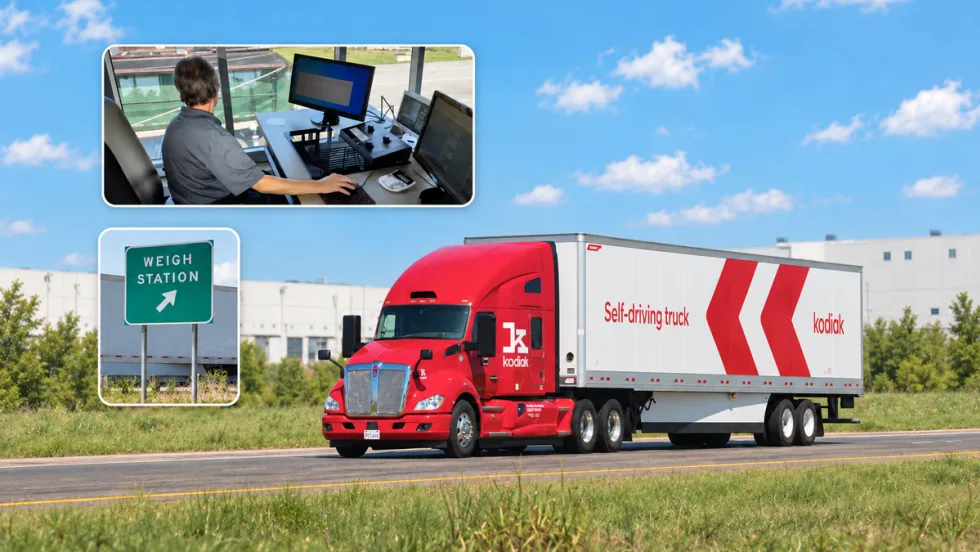
PrePass, Kodiak Connect Driverless Trucks to Roadside Enforcement
The system will allow enforcement agencies to verify Enhanced Inspection information and decide whether Kodiak’s autonomous trucks can bypass roadside screening sites.
Read More →
From One Generation to the Next: How Mentorship Builds Safer Truck Drivers
After three decades in trucking, Harold Perry shares what he's learned about driver safety, mentorship, and helping the next generation build confidence behind the wheel.
Read More →
FMCSA Pauses Biennial-Update Enforcement Amid Motus Transition
Carriers whose updates were due on or after June 1 have more time, while FMCSA works to stabilize its new registration system and warns of phishing sites impersonating its new carrier registration system, Motus.
Read More →
ZF Expands Commercial Vehicle Push in North America
ZF is expanding its North American commercial-vehicle presence with new transmission applications, electrification, trailer technology and autonomous-driving systems.
Read More →
Truck Drivers Need More Than Another Alert
Fleets have more visibility into truck health, safety events, and driver activity than ever. The next challenge is turning all that information into useful guidance for the person who has to decide what to do next.
Read More →
Tesla Wants a Self-Driving Semi. Are Cameras Enough?
Could Tesla’s camera-only autonomous driving technology work on an 80,000-pound Semi? In this commentary, HDT's Deborah Lockridge takes a look at Tesla, Cybercab, and how autonomous trucks see the road.
Read More →
What DOT’s Automated Vehicle Strategy Means for Trucking
The U.S. Department of Transportation issued a new automated-vehicle strategy that outlines plans for driverless-truck regulations, cross-state freight corridors, and federal safety standards.
Read More →
NYC Expands Speed, Pedestrian Safety Tech Across Fleet
New York City is expanding intelligent speed assistance and pedestrian-alert systems across its municipal fleet, moving the technologies from pilot programs into vehicle procurement and retrofit requirements.
Read More →
FMCSA Removes 110 Truck Driver Training Schools from Certified ELDT List
Federal regulators also are targeting more than 160 additional training providers and launching a nationwide audit of third-party CDL skills testers as part of a broader crackdown on trucking fraud.
Read More →
Beyond DOT Compliance: What Makes a Trucking Fleet Truly Safe?
A trucking fleet can follow every rule and still make unsafe decisions. The real test comes when safety conflicts with freight, productivity, or cost.
Read More →