




Hebe: No Recovery Without Crude Oil Price Turnaround
The single most important factor that brought down the trucking industry’s fortunes was energy cost, and those fortunes won’t change until fuel prices decline, says Freightliner CEO Jim Hebe

Jim Hebe
The single most important factor that brought down the trucking industry’s fortunes was energy cost, and those fortunes won’t change until fuel prices decline, says Freightliner CEO Jim Hebe.
Pointing out that every U.S. economic downturn since World War II has been linked to energy problems, he said: "We need diesel prices of $1.15 to $1.18 at the pump for a turnaround." Hebe made his remarks to the Heavy Duty Manufacturers Assn. annual Mid-America Trucking Show meeting last week in Louisville, Ky.
Barring "something dramatic," he predicted Class 8 U.S. retail truck sales in 2001 will only range from 100,000-110,000, and Class 6-7 sales will be 120,000-130,000. Canada will be under 10,000.
Orders for all North America should start to pick up next fall and rebound in 2002, when Class 8 sales should hit 150,000, he said.
The national economy needs further action from the Federal Reserve, and pay increases in the middle income segment, Hebe asserted. As for technology advances in trucking, their cost is "beyond the current appetite" of truck buyers unless they’re at no added cost, mandated or proven to pay for themselves quickly. He urged elimination of the 12% federal excise tax and investing the money in technology development.
As for the used truck oversupply, Hebe said that while some have blamed Freightliner for it, his company "has done more than anyone else to fix it. Some of our customers bought too many (new) trucks...it’s everyone’s issue to deal with."
He said equipment depreciation rates should be liberalized, financing of used trucks needs an overhaul, and dealers must share in the cost of correcting the situation.
Longer range, he predicted that in five years truckload carriers will have shorter hauls, drivers will be home more and trade cycles will be longer. Less-than-truckload carriers will grow and have shorter trade cycles, more technology, and more long combination vehicles with liberalized size and weight restrictions.
Private fleets will grow and return to owning equipment, a factor that will pressure full-service leasing companies, Hebe said, and predicted that owner-operators, who currently buy about 18% of new trucks sold, will be buying about 10%.
As for logistics, "The owner of the best system will dominate… he who controls the customer base controls the freight," he said, adding that freight transportation will be global and involve all modes.
The worldwide truck manufacturing industry is now in its third stage of development, he said. First was the establishment of small manufacturers; then came a small number of regional powerhouses in Europe, North America and Asia. The third stage is rapid globalization, whose players are now clearly defined, with the exception of Asia (Japan, China, Korea and India).
Global standards on safety, electrical/electronic systems and emissions are coming, he said, but with the exception of the light commercial segment, he predicted, "no global truck will emerge."
More Fleet Management
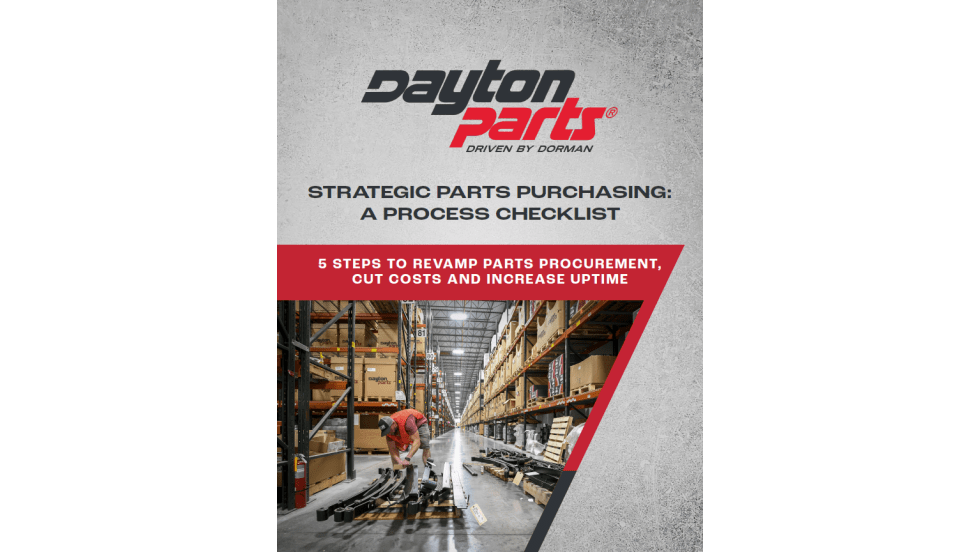
Is Your Parts Procurement Process Reactive or Proactive?
Ready to revamp your parts procurement process? Learn how now with “Strategic Parts Purchasing: A Process Checklist”
Read More →
What Trucking Events are Happening in 2026?
Looking for trucking-related conventions, expos, and other events? Heavy Duty Trucking has developed this list of national and larger regional trucking shows and events.
Read More →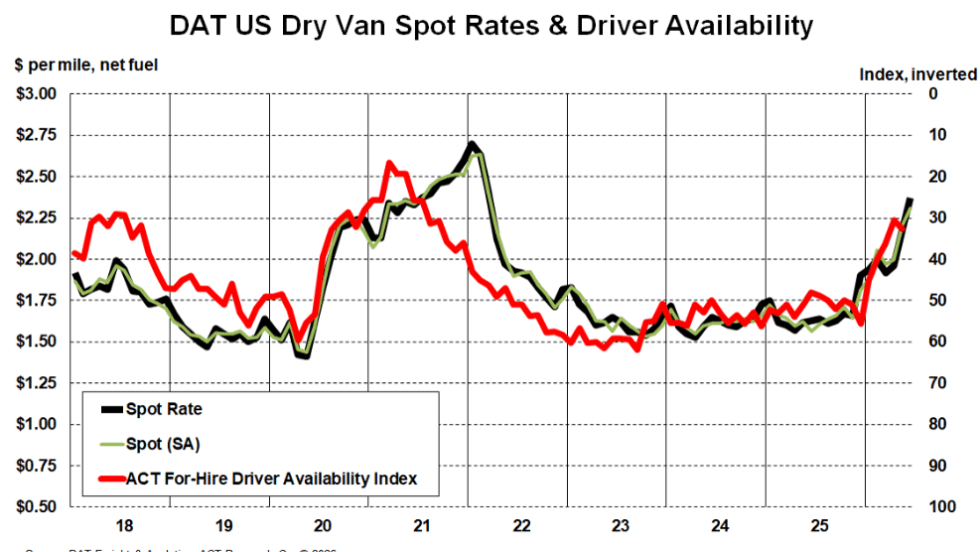
Truckload Rates Keep Rising as Tight Capacity Fuels Freight Market Recovery
Spot and contract rates continued climbing in May and June, not because freight demand is surging, but because fewer trucks and drivers are available.
Read More →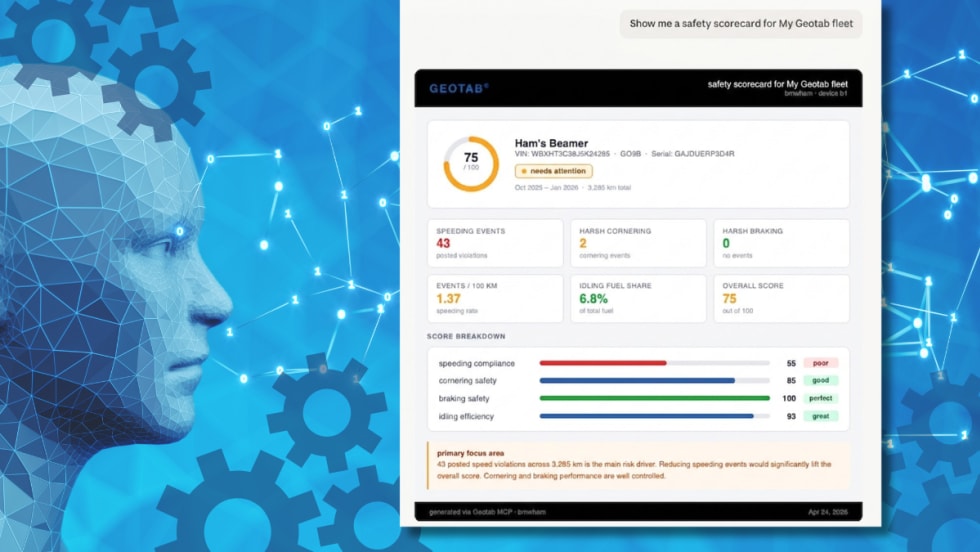
What Geotab's New AI Connector Means for Fleets
Fleets can now ask their usual AI assistants questions about maintenance, safety, fuel use, and vehicle performance, using their live Geotab data, and take action on the answers without leaving their preferred AI tool.
Read More →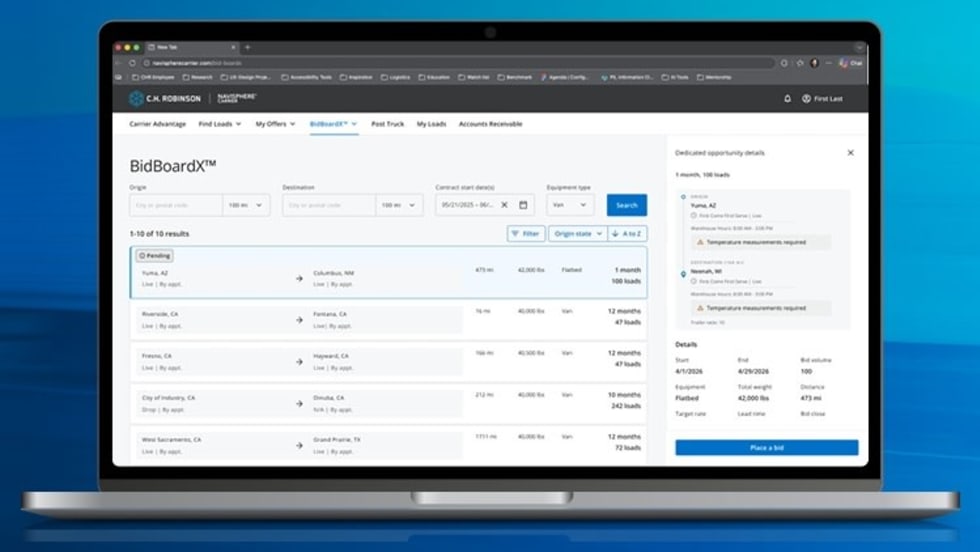
New C.H. Robinson Tool Opens Door to More Predictable Freight
BidBoardX lets carriers search, bid on, and secure committed freight opportunities through a single digital marketplace.
Read More →
New York City's Microhub Project is Delivering Results
Trucking, last-mile delivery companies, and environmental advocates like what they are seeing so far with New York's microhub program.
Read More →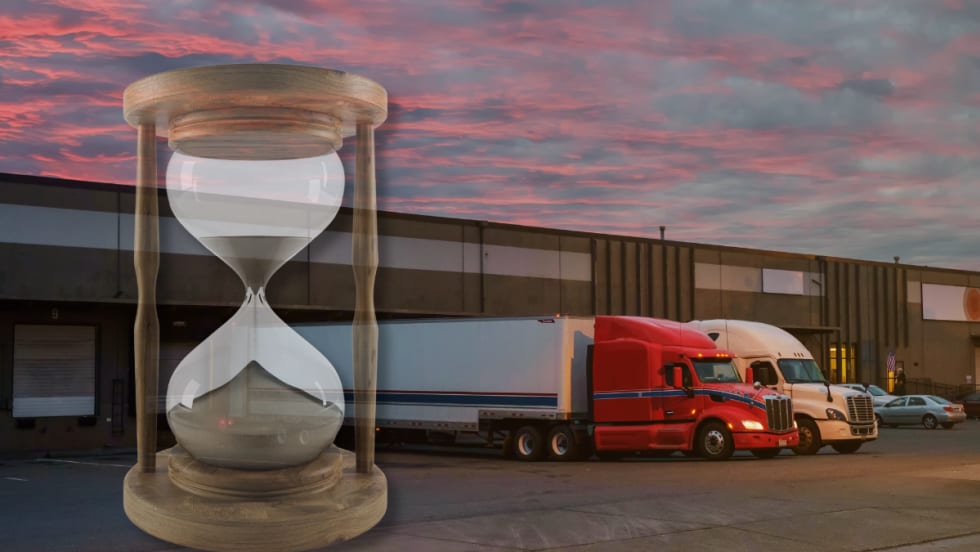
Why Truck Detention Keeps Costing Fleets Time and Money
A 2024 ATRI study found detention affects nearly 40% of truckload stops and costs the industry more than $15 billion annually. Despite the toll on drivers, fleets, and supply chains, the problem remains stubbornly persistent.
Read More →
Time is Running Out to Apply for Exclusive HDT Event
Heavy Duty Trucking Exchange brings fleet managers and suppliers together for the deeper conversations that lead to ideas, partnerships, and solutions. Time is running out to apply for the September event.
Read More →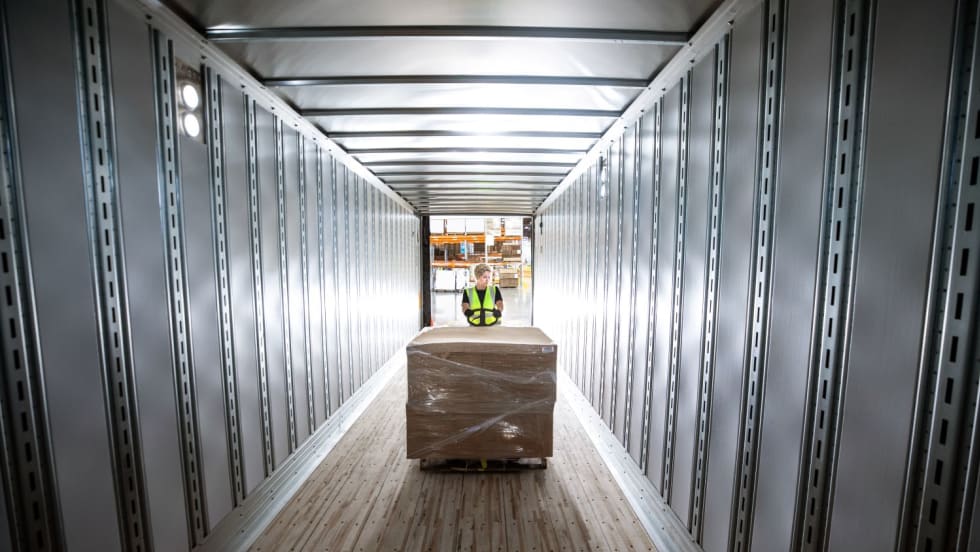
Amazon Launches Less-Than-Truckload Freight Offering for All Businesses
This launch is the latest addition to Amazon Supply Chain Services, a portfolio of supply chain capabilities from Amazon, including freight, distribution, fulfillment, and parcel shipping.
Read More →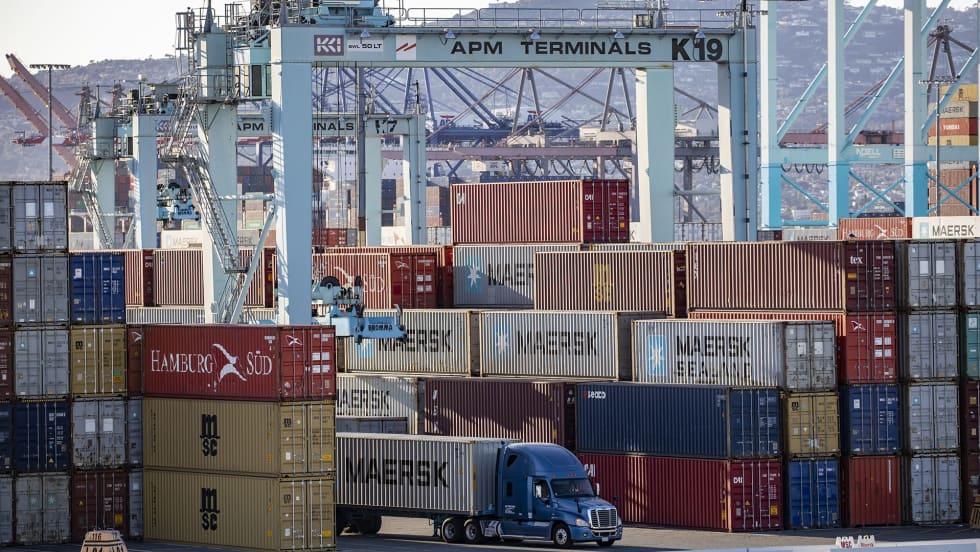
Import Cargo Volume to See Year-Over-Year Gain Again in June, Then Remain Below 2025 Levels Into Fall
After July, the report predicts a weakening in import volume as consumer uncertainty remains high and the impact of increasing inflation takes its toll.
Read More →