




Heavy Duty Trucking Names 2015 Truck Fleet Innovators
The editors of Heavy Duty Trucking have announced the 2015 HDT Truck Fleet Innovators, four fleet executives being recognized for their leadership and forward thinking.

The editors of Heavy Duty Trucking magazine announced the 2015 HDT Truck Fleet Innovators, four fleet executives being recognized for their leadership and forward thinking.
Each year, HDT's editors sift through nominations from industry as well as the fleets they have come into contact with throughout the year and single out three to six who have consistently shown innovation in areas such as leadership, productivity, business practices, safety, maintenance, spec'ing, technology, human resources, fuel efficiency, the environment, and so on.
This year's honorees are:

Rich DeBoer
Rich DeBoer, executive vice president, Ozinga Brothers, Chicago, Illinois. Faced with the uncertainly of EPA-emissions engines in the ready-mix business and several years of recession-induced buying freeze, DeBoer was a key figure in the company's decision to move to natural gas power. The fleet currently has just over 120 CNG-powered trucks and plans to have all 800 vehicles CNG-powered by 2020. Ozinga started an energy division to provide natural gas fueling to other fleets as well.
John Elliott, CEO of Load One, Taylor, Michigan, a primarily expedited carrier with 350 vehicles. Elliott is frequently a beta tester for new products, by his own admission a company on "the bleeding edge" of new technology adoption. It was one of the first carriers to adopt in-cab scanning and turn-by-turn in-cab navigation. More recently, Elliott was an early adopter of a new analytics program that looks at driver retention data in a different way, which allows him to keep out of the signing-bonus wars and focus on keeping drivers instead of recruiting.
Steve Rush, owner and president, Carbon Express, Wharton, New Jersey. This small tanker fleet is able to haul 5,000 to 7,000 pounds more per load than the competition, thanks to extensive lightweighting that includes daycabs only. Drivers with longer runs get to sleep in hotels, which has helped immensely on the driver recruiting and retention front as well. The company tries to keep drivers sleeping in their own beds as much as possible, and get the freight to the customer faster, by using slip-seating and relays.

Braxton Vick
Braxton Vick, senior vice president of corporate planning and development for Southeastern Freight Lines, a 2,700-unit less-than-truckload fleet based in Lexington, South Carolina. Vick, an industrial engineer by training, got into trucking in the early days of the computer age in 1974. He's been using technology to make trucking companies more productive and efficient ever since. At Southeastern Freight Lines, where he's been since 1994, he helped develop an electronic logbook system, making SEFL one of the first less-than-truckload carriers to implement e-logs. Today he's working on telematics for improved fuel mileage and predictive maintenance.
These winners will be profiled in the March issue of Heavy Duty Trucking, and will be honored during the MATS Fleet Forum immediately preceding the Mid-America Trucking Show in Louisville, Ky., on March 25, where they will participate in a panel discussion on industry issues.
"I'm pleased by the variety in this year's honorees," says Deborah Lockridge, HDT editor in chief. "Trucking is a diverse industry, and we like our Innovators to reflect that. This year we have executives representing a private vocational fleet, a small for-hire tanker fleet, a large less-than-truckload fleet, and a major expedited carrier.
"That and the variety of areas where they are leading in innovation should make for a very interesting panel discussion at the Fleet Forum in March."
More Drivers
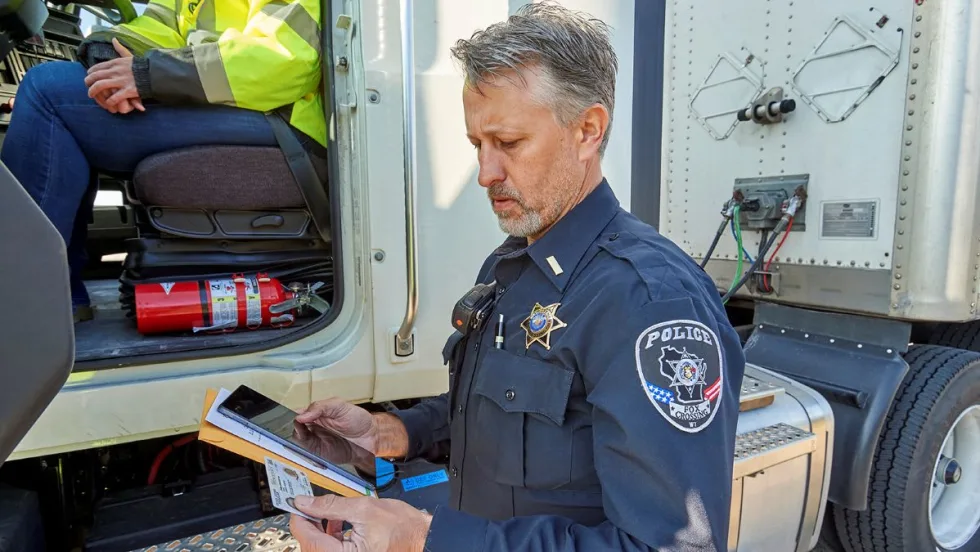
When Language Stops the Truck: The Return of ELP Out-of-Service Orders
English language proficiency rules for commercial drivers aren’t new, but renewed out-of-service enforcement has raised the stakes. Here’s what carriers need to know before a driver reaches a roadside inspection.
Read More →
Samsara Launches Custom AI Agent Builder
Agent Studio lets fleets create AI tools for hours-of-service monitoring, reporting and driver support, including agents that communicate by phone.
Read More →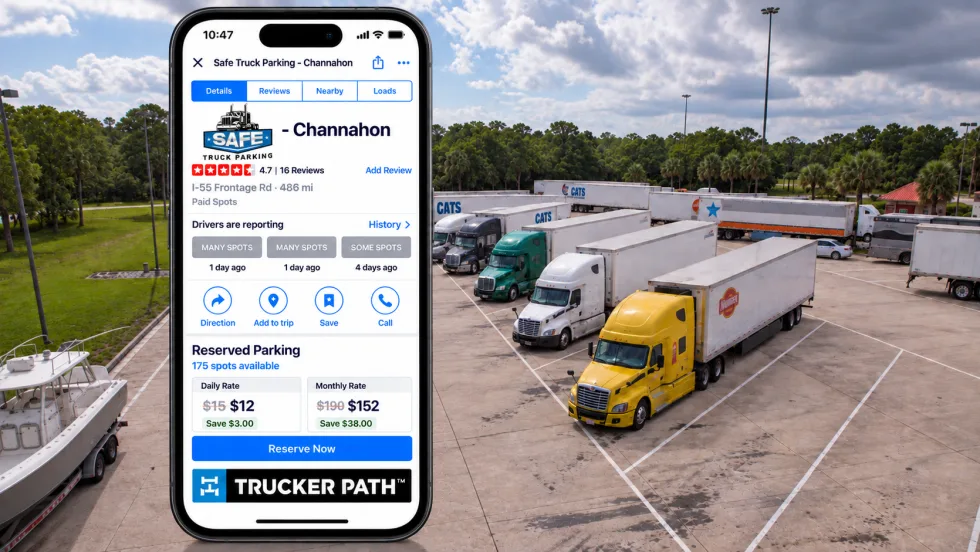
Trucker Path Expands Reserved Parking Network
Trucker Path has added close to 6,000 more truck parking spaces to its Trucker Path Reserved Parking Network with the addition of Safe Truck Parking.
Read More →
EEOC Sues Texas Trucking Company Over Driver Age Limits
The agency says Trancasa USA rejected applicants over 65 and applied tougher driving-record standards to those over 60.
Read More →
Nussbaum, Roehl Announce Second Driver Pay Increase This Year
This year has seen a swath of major truck driver pay increases as freight capacity has tightened.
Read More →
From One Generation to the Next: How Mentorship Builds Safer Truck Drivers
After three decades in trucking, Harold Perry shares what he's learned about driver safety, mentorship, and helping the next generation build confidence behind the wheel.
Read More →
Truck Drivers Need More Than Another Alert
Fleets have more visibility into truck health, safety events, and driver activity than ever. The next challenge is turning all that information into useful guidance for the person who has to decide what to do next.
Read More →
FMCSA Removes 110 Truck Driver Training Schools from Certified ELDT List
Federal regulators also are targeting more than 160 additional training providers and launching a nationwide audit of third-party CDL skills testers as part of a broader crackdown on trucking fraud.
Read More →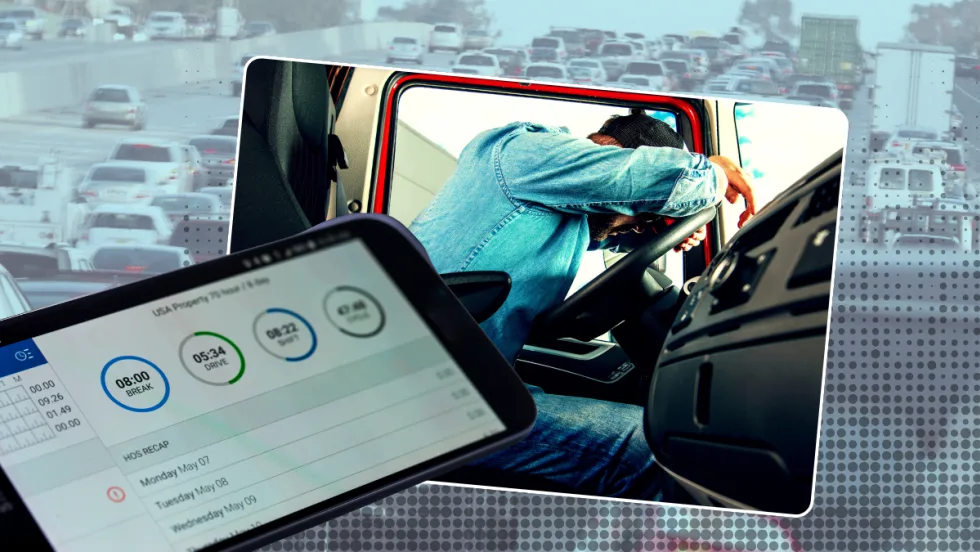
Hours of Service Pilot Programs: FMCSA Readies for 2027 Rollout
Two pilot programs could eventually reshape hours-of-service rules, giving truck drivers options to pause their 14-hour clock or use longer split sleeper rest periods.
Read More →
Medical Cards, English Proficiency Reshape Roadcheck Violations
Medical-card violations jumped to the top of the driver out-of-service list during CVSA’s 2026 International Roadcheck, while English-language proficiency violations appeared among the leading violations for the first time.
Read More →