




FTR Says Shipper Index Neutral; Predicts Tightening Carrier Capacity
FTR Associates says while its Shippers Condition Index is currently at neutral, it expects that will shortly change as carrier capacity tightens and the economy comes out of its recent pause
FTR Associates says while its Shippers Condition Index is currently at neutral, it expects that will shortly change as carrier capacity tightens and the economy comes out of its recent pause.
The transportation forecasting and analysis firm said its Shippers Condition Index, as reported in the January issue of the Shippers Update, was hovering near the neutral reading of zero at the end of 2010, reflecting the continuing effects of the earlier pause in the economic recovery.
The SCI sums up all market influences that affect shippers; a reading above zero suggests a favorable shipping environment, while a reading below zero is unfavorable. The Shippers Update, launched by FTR Associates during 2010 as a part of the firm's Freight Focus Series, looks at conditions that will affect the cost and efficiency of shipping goods via all transportation modes.
In the January 2011 Shippers Update released on January 10, FTR projects the next surge in truckload rates will come about during the second quarter as freight picks up seasonally. Less-than-truckload rates, while increasing through 2011 and 2012, will lag behind TL rates because of more favorable driver hiring conditions.
Improving freight growth will also increase freight rates for both rail and intermodal segments as well through 2011 and 2012.
More Fleet Management

Your Trucks Are Busy. That Doesn’t Mean They’re Winning.
High utilization doesn’t always mean strong margins. Looking beyond the current load can help fleets make better dispatch decisions and get more value from each truck’s time.
Read More →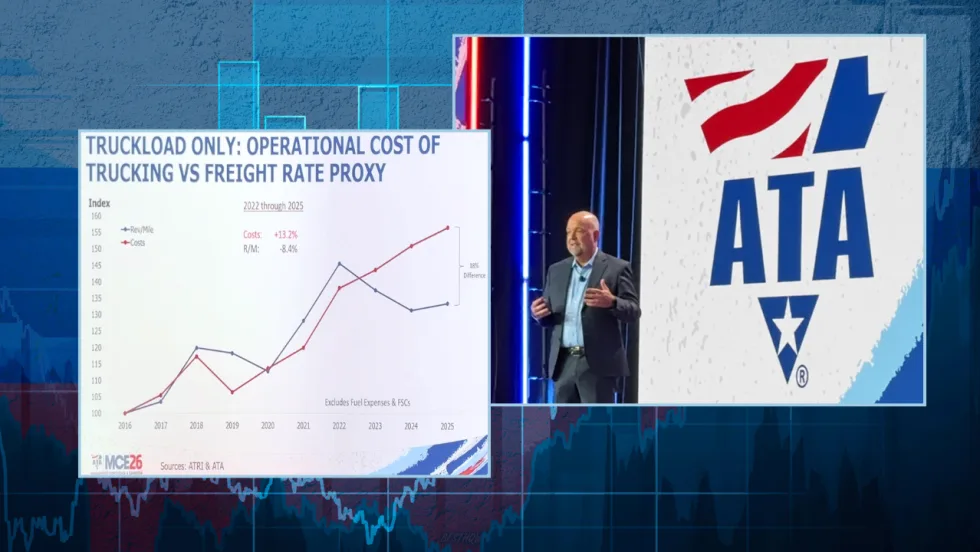
Why This Trucking Recovery Is Different
Freight demand remains sluggish, but rising costs and tougher enforcement have taken enough capacity out of the market to change the outlook for motor carriers.
Read More →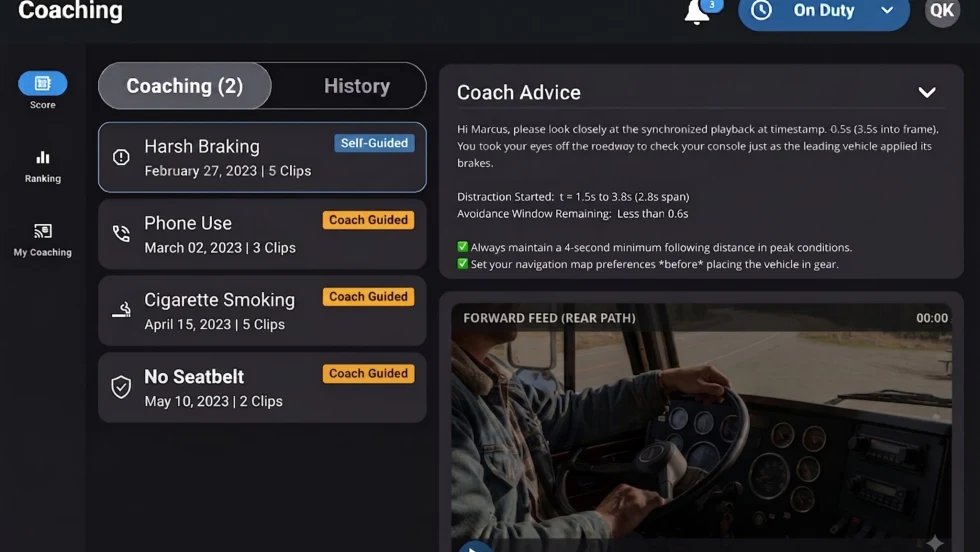
Platform Science Adds Dispatch and Safety Tools
Four additions to PS Fleet help fleets monitor loads, manage driver coaching, share truck locations and adjust video system settings.
Read More →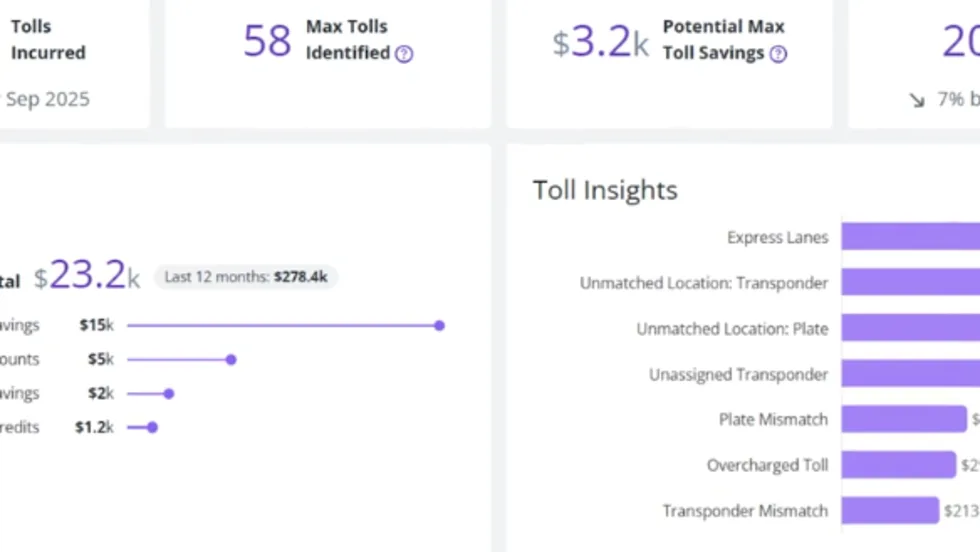
PrePass Intelligence Mines Fleet Bypass, Toll and Safety Data
PrePass Intelligence helps fleets measure bypass savings, flag potential toll overcharges, and spot suspicious transactions by combining data from separate systems.
Read More →
Motive Adds AI Agents for Fleet Operations
New tools automate follow-up on fleet data, from maintenance work orders to driver alerts, with two-way voice conversations planned for later this year.
Read More →
Can You Beat Our Trucking Trivia Challenge?
Test your truck knowledge with 19 trivia questions from Heavy Duty Trucking Exchange. Can you keep up with the fleet pros?
Read More →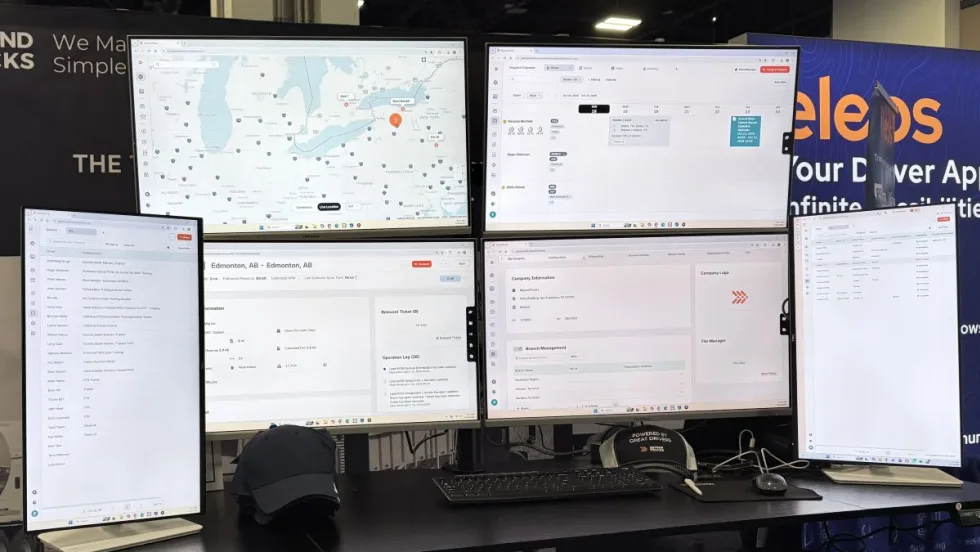
BeyondTrucks Adds Rules Checks to Dispatch
New Compatibility Engine checks driver qualifications, equipment requirements and fleet policies before loads are dispatched.
Read More →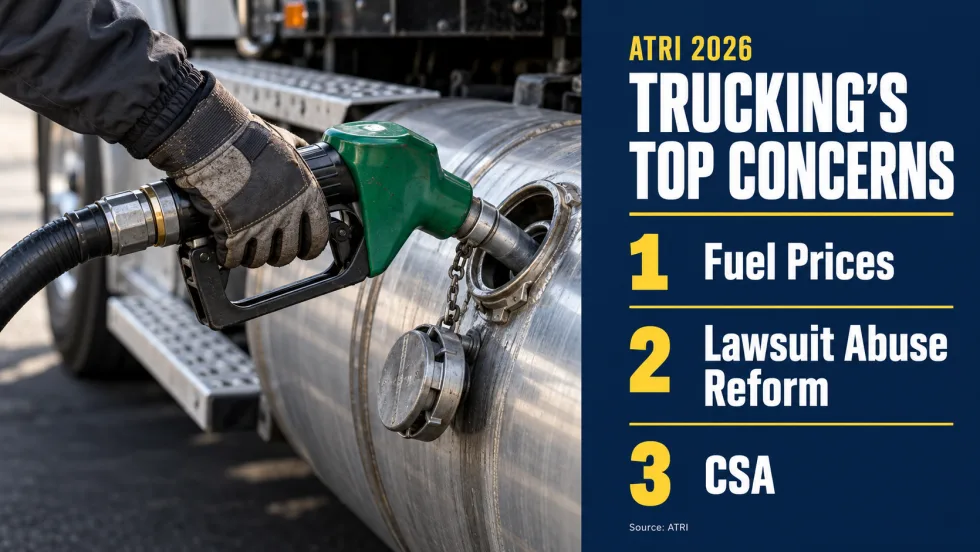
Diesel Prices Hijack Trucking’s Worry List
ATRI’s annual survey finds cautious optimism about freight, but diesel costs, litigation, and insurance continue to squeeze fleets. Drivers have different priorities on several issues.
Read More →
Nomination Deadline Extended for HDT Emerging Leaders
Just a few more days to nominate accomplished trucking fleet professionals under 40 who are making an impact and helping lead the industry forward for the HDT Emerging Leaders award. Deadline extended to October 20!
Read More →
What Will ATA’s New Leader Bring to Trucking's Table?
Incoming President and CEO Mark Colson’s record in Alabama offers clues about his priorities and approach following Chris Spear’s abrupt departure as the head of the American Trucking Associations.
Read More →