




FreightWatch Notes an Increase in Theft of Meat
According to a special report from FreightWatch, the price of beef, pork and chicken (meats) in the United States has increased substantially since the second quarter of 2010, driving up thefts of meat products in FreightWatch's Food/Drinks category
According to a special report from FreightWatch, the price of beef, pork and chicken (meats) in the United States has increased substantially since the second quarter of 2010, driving up thefts of meat products in FreightWatch's Food/Drinks category.
Thieves' desire for any given product increases with the market price of the product itself. Higher value goods mean more dollars in the criminals' pockets when they go to sell the stolen goods on the black market or to unscrupulous wholesalers or retailers.
Meat thefts saw a significant spike in 2011, increasing from an average of 1.75 thefts per month in 2010 to four thefts per month in 2011, a year when drought conditions drove up the price of corn. So far this year, thefts of meats are averaging about 3.2 per month, with the busiest months for cargo thieves still ahead.
The FreightWatch report analyzes the correlation between feed prices, driven by environmental factors, and the rising cost of meat, which has led to the increased criminal desire for and theft of meats.
Meat thefts spiked from 1.75 thefts per month in 2010 to four thefts per month in 2011, an increase of more than 128%. Corn prices also shot up from $158.10 per ton in the second quarter of 2010 (Q2-10) to $312.54 per ton in Q2- 11, an increase of almost 98%. Of course, as corn prices nearly doubled, the price of beef, pork and chicken also increased significantly.
As with most other product types, the highest number of theft incidents targeting meats typically are seen in the final quarter of the year. Thus, meat thefts will likely meet or exceed record amounts by the end of 2012.
Thefts of meats happen most frequently in areas already known for large volumes of cargo theft in general (Southern California, South Florida, and the Houston and Atlanta areas). One exception to the rule is the Corn Belt (Iowa in particular), which has seen a disproportionate amount of meat thefts compared with other products.
Drought conditions in the U.S. are at their worst since 1956, and corn prices will likely continue to rise. As such, the price of domestic meat will likely continue on the same trajectory.
More Safety & Compliance
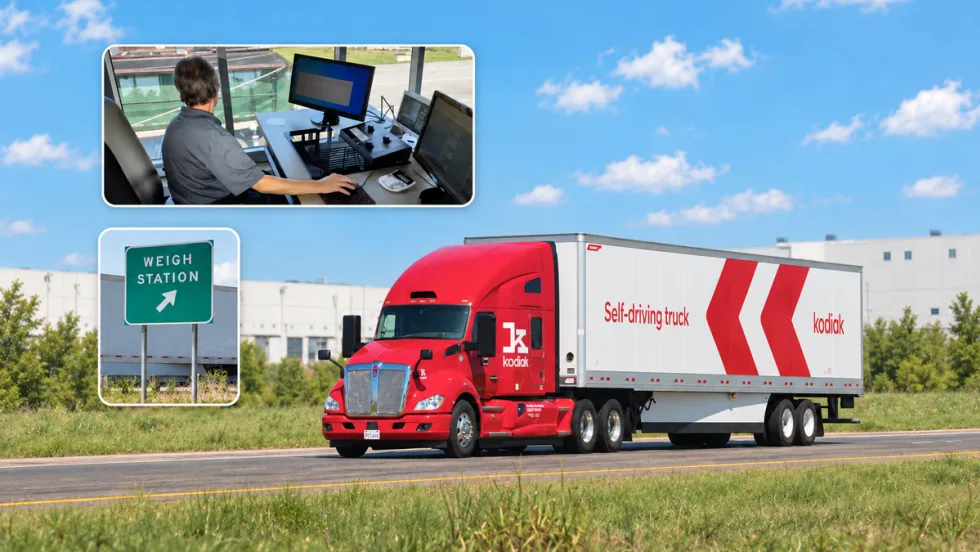
PrePass, Kodiak Connect Driverless Trucks to Roadside Enforcement
The system will allow enforcement agencies to verify Enhanced Inspection information and decide whether Kodiak’s autonomous trucks can bypass roadside screening sites.
Read More →
From One Generation to the Next: How Mentorship Builds Safer Truck Drivers
After three decades in trucking, Harold Perry shares what he's learned about driver safety, mentorship, and helping the next generation build confidence behind the wheel.
Read More →
FMCSA Pauses Biennial-Update Enforcement Amid Motus Transition
Carriers whose updates were due on or after June 1 have more time, while FMCSA works to stabilize its new registration system and warns of phishing sites impersonating its new carrier registration system, Motus.
Read More →
ZF Expands Commercial Vehicle Push in North America
ZF is expanding its North American commercial-vehicle presence with new transmission applications, electrification, trailer technology and autonomous-driving systems.
Read More →
Truck Drivers Need More Than Another Alert
Fleets have more visibility into truck health, safety events, and driver activity than ever. The next challenge is turning all that information into useful guidance for the person who has to decide what to do next.
Read More →
Tesla Wants a Self-Driving Semi. Are Cameras Enough?
Could Tesla’s camera-only autonomous driving technology work on an 80,000-pound Semi? In this commentary, HDT's Deborah Lockridge takes a look at Tesla, Cybercab, and how autonomous trucks see the road.
Read More →
What DOT’s Automated Vehicle Strategy Means for Trucking
The U.S. Department of Transportation issued a new automated-vehicle strategy that outlines plans for driverless-truck regulations, cross-state freight corridors, and federal safety standards.
Read More →
NYC Expands Speed, Pedestrian Safety Tech Across Fleet
New York City is expanding intelligent speed assistance and pedestrian-alert systems across its municipal fleet, moving the technologies from pilot programs into vehicle procurement and retrofit requirements.
Read More →
FMCSA Removes 110 Truck Driver Training Schools from Certified ELDT List
Federal regulators also are targeting more than 160 additional training providers and launching a nationwide audit of third-party CDL skills testers as part of a broader crackdown on trucking fraud.
Read More →
Beyond DOT Compliance: What Makes a Trucking Fleet Truly Safe?
A trucking fleet can follow every rule and still make unsafe decisions. The real test comes when safety conflicts with freight, productivity, or cost.
Read More →