




Freight Volume Should Grow 5.5% This Year
According to our data, freight volume should expand 5.5% this year. Because last year's big 7% gain came at the end of the year, the 5.5% annual forecast will be hit if the four quarters this
According to our data, freight volume should expand 5.5% this year. Because last year's big 7% gain came at the end of the year, the 5.5% annual forecast will be hit if the four quarters this year have an average annual growth rate of only 4.6% compared to 6.6% last year. The current outlook for 2000 is actually 25% higher than the predictions were at the beginning of the year.
The 5.5% growth rate assumes a 3.8% growth in annual GDP for the whole economy. GDP growth has been underestimated at the beginning of each of the last three years by 25%. If it happens again, the pace of growth in freight volume will push close to last years' pace. Capacity will be strained even more, the driver shortage will worsen and diesel prices will keep rising.
With hindsight, we now know that buyer confidence and labor productivity gains have been underestimated over the past three years. And the aggressiveness of the Fed in fighting inflation has been overestimated.
The consensus outlook is for consumer and business confidence to drop from 1999's record high levels. But there is no evidence of this yet, except among homebuilders. The sluggishness in overall stock prices and the extra $40 billion we have to pay for oil products this year have not yet had any negative impact on confidence.
Labor productivity increased 3.1% last year after a 2% gain the previous year and increases closer to 1% earlier in the decade. Here is the arithmetic: as long as demand is sufficient with high buyer confidence, the GDP growth rate approximately equals the sum of labor productivity growth plus the percentage increase in employment minus 1%. For 1999, 3.1% productivity gains plus 2.2% growth in employment minus 1% equal 4.3%. GDP grew 4.0%.
The outlook is for either labor productivity growth to be slightly lower or for job gains to be slightly lower as the fed tightens credit and reduces demand. If neither happens, freight volume will expand one percentage point higher - 5.6% instead of 4.6%. Productivity gains in the last quarter of 1999 were at a 6.1% annual rate, double the average for the year. If you believe productivity is still rising, add 0.3 percentage points to freight volume growth for every 0.2 percentage point in productivity growth beyond 3.1%.
How plausible is this? The productivity report for the last quarter showed a 10% annual rate gain in durable manufacturing. Productivity in this sector has been running at about a 7% pace for several years as manufacturers incorporated electronic technology into their products. The surprising news is that the larger non-durable manufacturing sector also had 10% productivity growth after averaging 3-4% in recent years.
Food, apparel and chemical manufacturers cannot design semiconductors into their products but now they can use the Internet to cut planning, transactions and distribution costs. Cost savings as high as 20% are being realized.
Finally, the Fed has been very timid raising interest rates to make a preemptive strike against inflation because they have not yet seen the enemy. None of the various indexes available to measure inflation has shown a sustained rise in inflation. All of the precursors of inflation have appeared but so far their impact has been offset by soaring productivity.
More Fleet Management

Is Your Parts Procurement Process Reactive or Proactive?
Ready to revamp your parts procurement process? Learn how now with “Strategic Parts Purchasing: A Process Checklist”
Read More →
What Trucking Events are Happening in 2026?
Looking for trucking-related conventions, expos, and other events? Heavy Duty Trucking has developed this list of national and larger regional trucking shows and events.
Read More →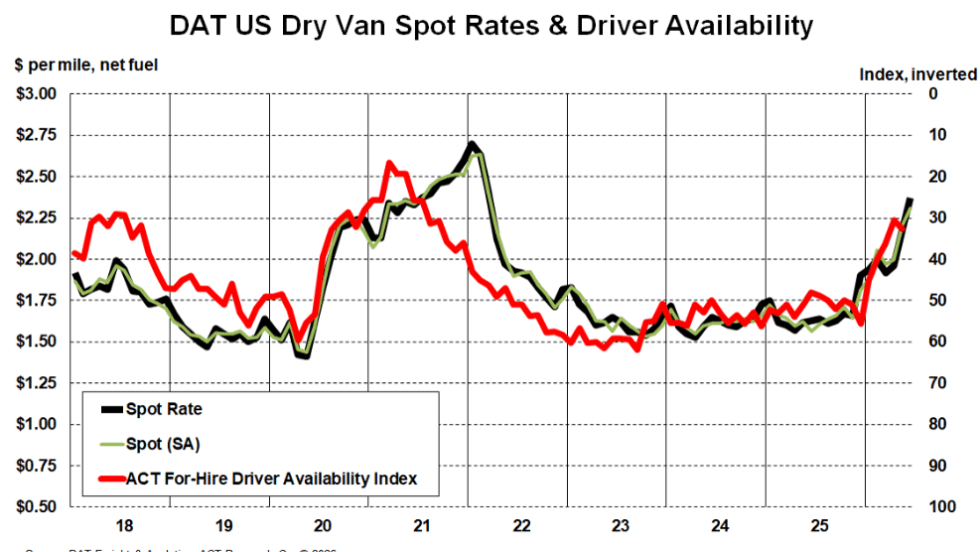
Truckload Rates Keep Rising as Tight Capacity Fuels Freight Market Recovery
Spot and contract rates continued climbing in May and June, not because freight demand is surging, but because fewer trucks and drivers are available.
Read More →
What Geotab's New AI Connector Means for Fleets
Fleets can now ask their usual AI assistants questions about maintenance, safety, fuel use, and vehicle performance, using their live Geotab data, and take action on the answers without leaving their preferred AI tool.
Read More →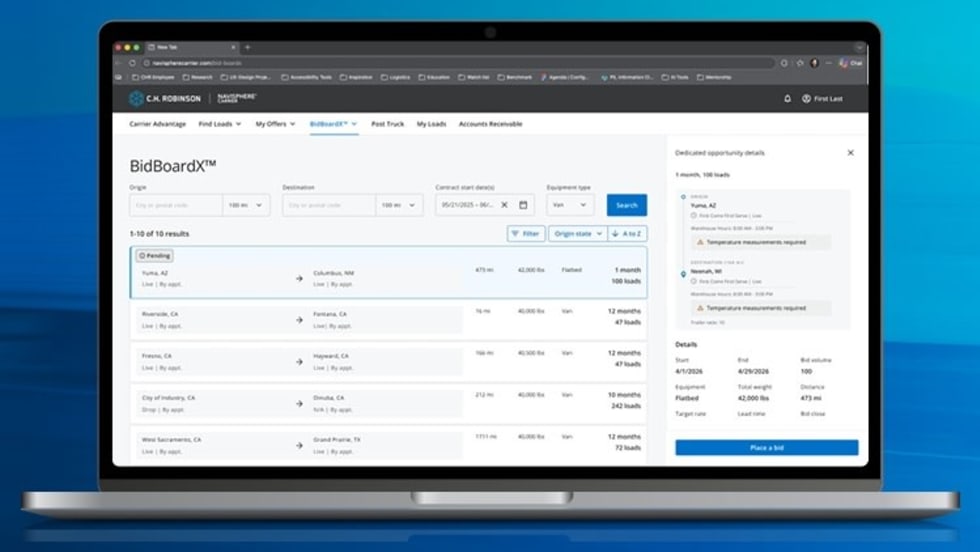
New C.H. Robinson Tool Opens Door to More Predictable Freight
BidBoardX lets carriers search, bid on, and secure committed freight opportunities through a single digital marketplace.
Read More →
New York City's Microhub Project is Delivering Results
Trucking, last-mile delivery companies, and environmental advocates like what they are seeing so far with New York's microhub program.
Read More →
Why Truck Detention Keeps Costing Fleets Time and Money
A 2024 ATRI study found detention affects nearly 40% of truckload stops and costs the industry more than $15 billion annually. Despite the toll on drivers, fleets, and supply chains, the problem remains stubbornly persistent.
Read More →
Time is Running Out to Apply for Exclusive HDT Event
Heavy Duty Trucking Exchange brings fleet managers and suppliers together for the deeper conversations that lead to ideas, partnerships, and solutions. Time is running out to apply for the September event.
Read More →
Amazon Launches Less-Than-Truckload Freight Offering for All Businesses
This launch is the latest addition to Amazon Supply Chain Services, a portfolio of supply chain capabilities from Amazon, including freight, distribution, fulfillment, and parcel shipping.
Read More →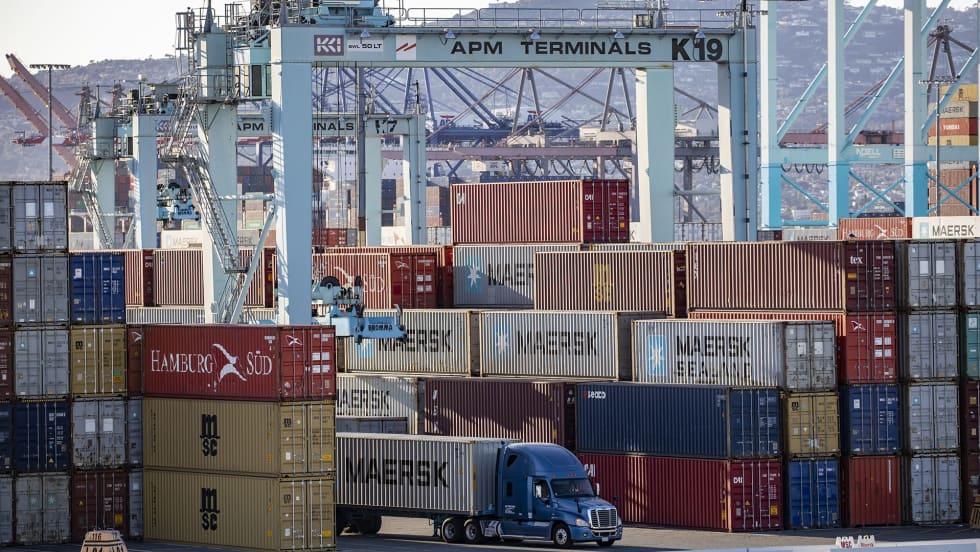
Import Cargo Volume to See Year-Over-Year Gain Again in June, Then Remain Below 2025 Levels Into Fall
After July, the report predicts a weakening in import volume as consumer uncertainty remains high and the impact of increasing inflation takes its toll.
Read More →