




For-Hire Trucking Conditions Worsen After Brief Summer Surge
August data from ACT Research's For-Hire Trucking Index show a pull back from July’s surprising and anomalous surge and a forecast for continued negative conditions until 2020.


ACT Research released the August data from its For-Hire Trucking Index showing a pull back from July’s surprising and anomalous surge.
Photo courtesy ACT Research
ACT Research released the August data from its For-Hire Trucking Index showing a pull back from July’s surprising and anomalous surge.
For-Hire Trucking Index for Volume pulled back to a reading of 48 in August, dropping off from a 56.7 in July. A reading of 50 is considered flat or neutral. ACT’s August pricing index also returned to negative territory, hitting 47.1 for the month, declining from a July reading of 50.3.
“While the strong consumer plus pre-tariff inventory building could still help volumes into the holidays, it appears inconsistent in the for-hire market, due in part to the weak manufacturing sector,” said Tom Denoyer, ACT Research’s vice president and senior analyst. “We think the addition of private fleet capacity is also partly responsible.”
Freight rates were also in decline in August with Denoyer adding that ACT expects a capacity rebalancing to unfold in 2020, which should eventually be positive for rates, but in the current environment, fleets are still adding capacity making July’s brief surge an unlikely sign of any turnaround.
“Our for-hire respondents have stopped adding capacity, yet retail tractor sales data tell us capacity is growing,” said Denoyer. “This will likely keep peak season muted in the for-hire market, with seasonal strength still likely closer to the holidays.”
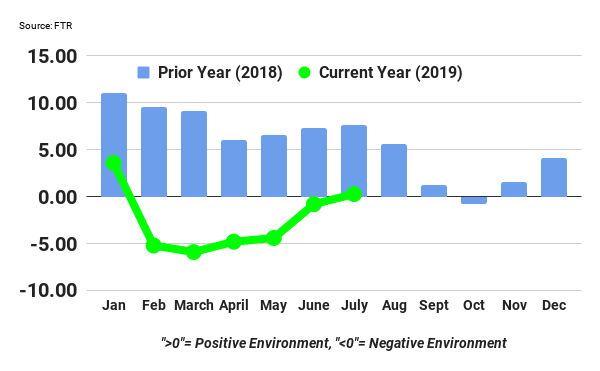
FTR's Trucking Conditions Index pushed into positive territory in July.
Source: FTR
Last month’s FTR Trucking Conditions Index for July, show that lower diesel prices had offset the effects of lower capacity utilization to push its reading into positive territory for the first time since January. However, FTR maintained a negative to neutral outlook for the rest of 2019.
“Although it has become common to hear dire warnings about the state of the trucking industry, the truck freight market as a whole is hardly collapsing,” said Avery Vise, vice president of trucking at FTR. “Rapid cooling from last year’s extraordinarily strong market certainly has left many weak carriers exposed, but freight volume and rates are holding up reasonably well – certainly if viewed in a longer-term context. Still, most of the near-term risks to our outlook are on the downside.”
More Fleet Management
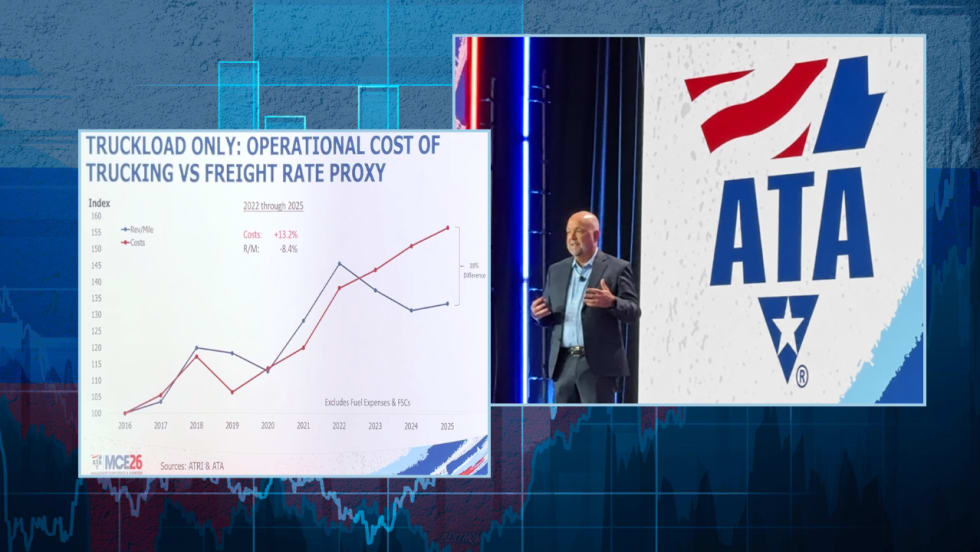
Why This Trucking Recovery Is Different
Freight demand remains sluggish, but rising costs and tougher enforcement have taken enough capacity out of the market to change the outlook for motor carriers.
Read More →
Platform Science Adds Dispatch and Safety Tools
Four additions to PS Fleet help fleets monitor loads, manage driver coaching, share truck locations and adjust video system settings.
Read More →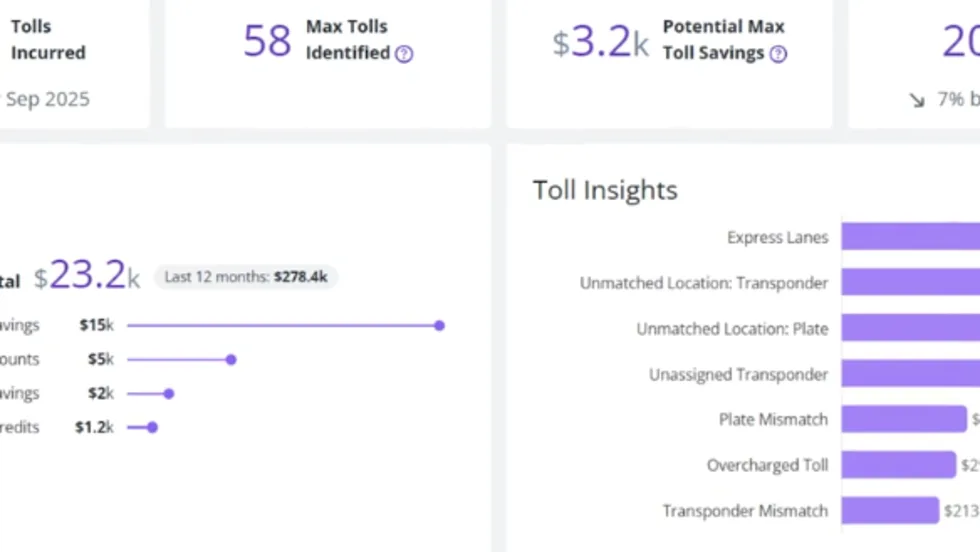
PrePass Intelligence Mines Fleet Bypass, Toll and Safety Data
PrePass Intelligence helps fleets measure bypass savings, flag potential toll overcharges, and spot suspicious transactions by combining data from separate systems.
Read More →
Motive Adds AI Agents for Fleet Operations
New tools automate follow-up on fleet data, from maintenance work orders to driver alerts, with two-way voice conversations planned for later this year.
Read More →
Can You Beat Our Trucking Trivia Challenge?
Test your truck knowledge with 19 trivia questions from Heavy Duty Trucking Exchange. Can you keep up with the fleet pros?
Read More →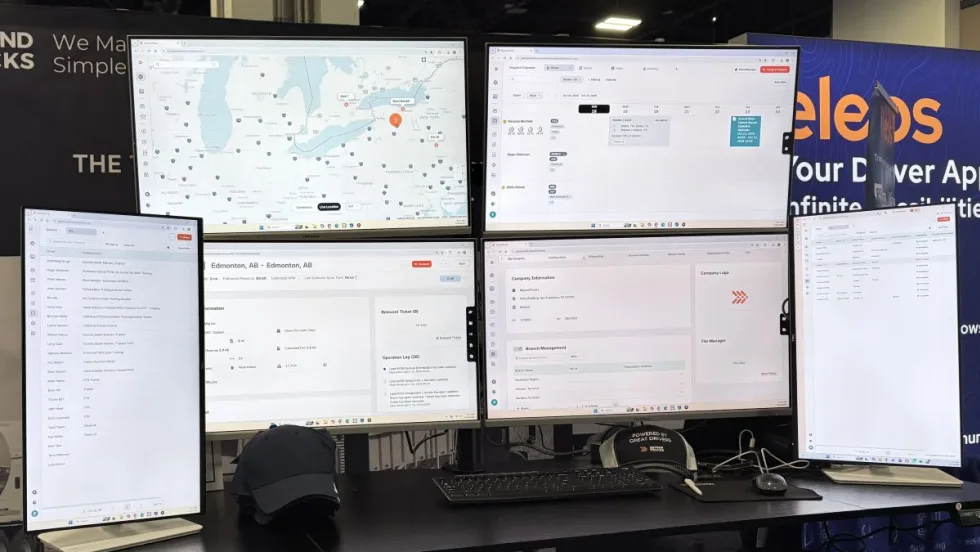
BeyondTrucks Adds Rules Checks to Dispatch
New Compatibility Engine checks driver qualifications, equipment requirements and fleet policies before loads are dispatched.
Read More →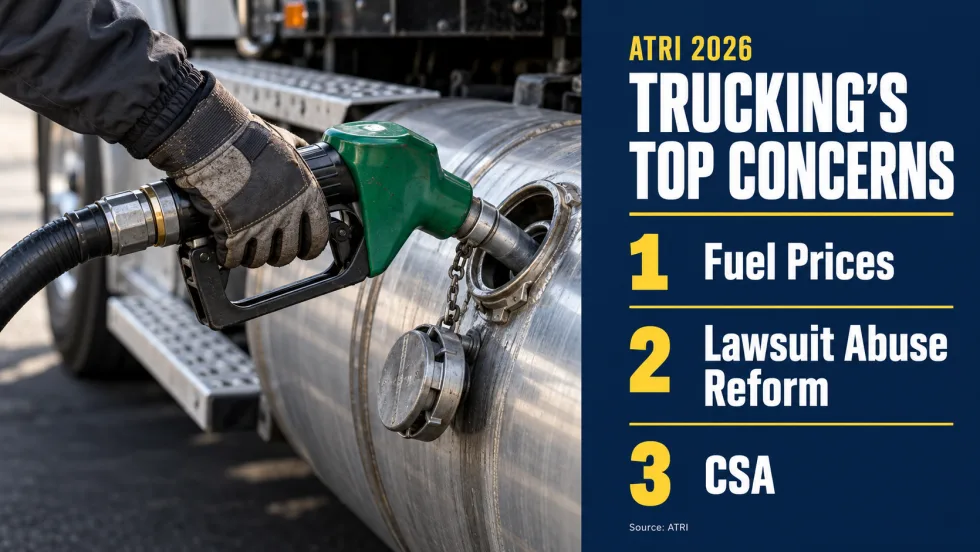
Diesel Prices Hijack Trucking’s Worry List
ATRI’s annual survey finds cautious optimism about freight, but diesel costs, litigation, and insurance continue to squeeze fleets. Drivers have different priorities on several issues.
Read More →
Nomination Deadline Extended for HDT Emerging Leaders
Just a few more days to nominate accomplished trucking fleet professionals under 40 who are making an impact and helping lead the industry forward for the HDT Emerging Leaders award. Deadline extended to October 20!
Read More →
What Will ATA’s New Leader Bring to Trucking's Table?
Incoming President and CEO Mark Colson’s record in Alabama offers clues about his priorities and approach following Chris Spear’s abrupt departure as the head of the American Trucking Associations.
Read More →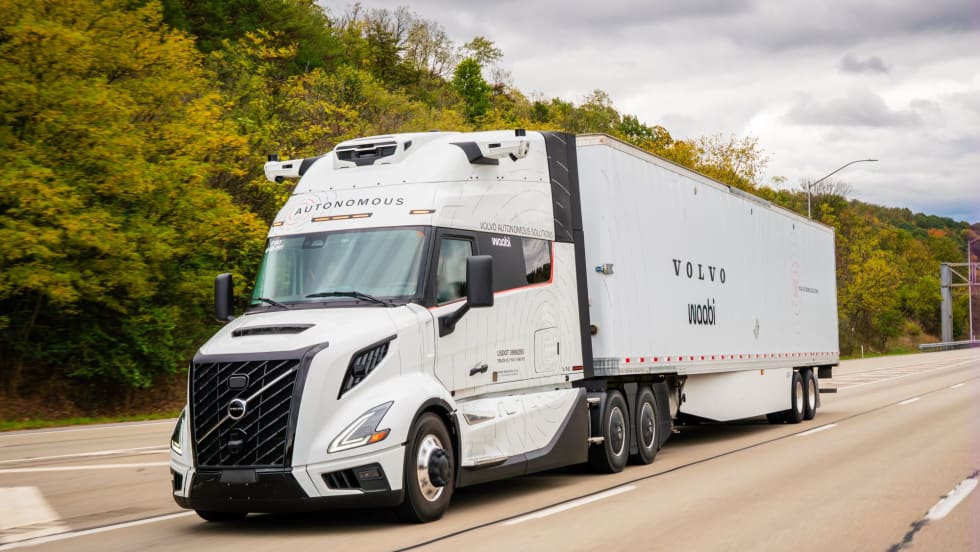
Volvo, Waabi Start Commercial Autonomous Operations in Texas
Volvo VNL Autonomous trucks, powered by the Waabi Driver, are hauling freight directly to third-party facilities for a customer in Texas.
Read More →