





More on proposed SMS changes: FMCSA Nixes IRT in Proposed Changes in Identifying Unsafe Motor Carriers
FMCSA Wants to Broaden Crash Preventability Determination Program
Proposed changes would bring the number of types of crashes eligible for the Federal Motor Carrier Safety Administration's Crash Preventability Determination Program from 16 to 21.
April 12, 2023
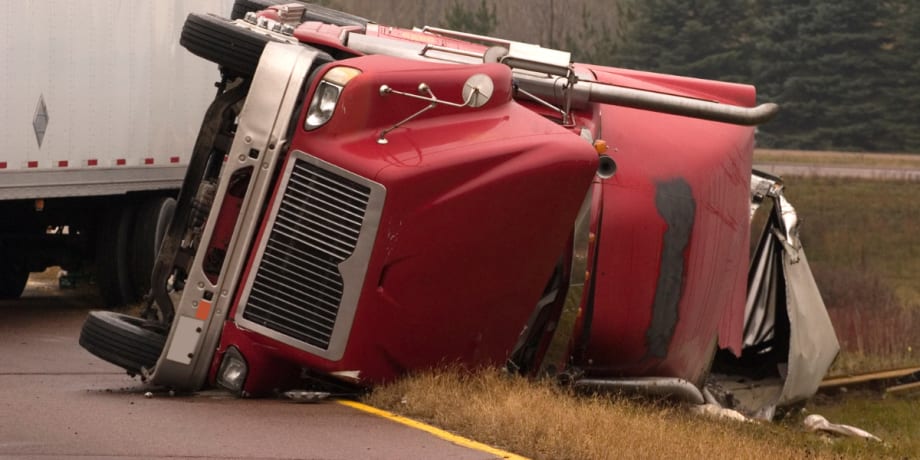
The FMCSA wants to broaden what types of crashes it will consider in its Crash Preventability Determination Program.
Photo: Canva
4 min to read
The Federal Motor Carrier Safety Administration is proposing to again broaden the definition of crashes that it includes in its Crash Preventability Determination Program.
That program was developed to address industry concerns about all crashes being used in the FMCSA’s Safety Measurement System (SMS), even those that were clearly not preventable. One of the major complaints about the SMS system when the Compliance, Safety, Accountability program rolled out in 2010 was that all crashes counted against a motor carrier's scores. Why, people asked, should carriers be penalized for a crash caused by someone else running a red light, traveling the wrong direction, committing suicide by leaping from an overpass into the path of an oncoming truck, or nunerous other scenarios?
The Crash Preventability Determination Programprogram has been in operation since May 2020. Currently it reviews 16 specific crash types and modifies information in the SMS to distinguish not-preventable crashes. The existing program was an expansion of the agency’s previous demonstration program that reviewed eight crash types.
In a notice and request for comments published in the Federal Register, FMCSA proposes modifying existing crash types to broaden eligibility, removing the distinction between direct and indirect strikes, and differentiating some types for improved reporting and use of the data to identify ways to reduce crashes involving non-motorists.
In addition, FMCSA proposes that four new crash types be included in the program.
These proposed changes are expected to double the size of the current program and provide more data allowing the agency to analyze the effects of a carrier’s not-preventable crashes on its overall safety.
According to FMCSA data, between May 1, 2020, and December 30, 2022, the industry has submitted nearly 40,000 preventability determination requests through the agency’s DataQs system. Approximately 72.5% of those requests were “eligible,” meaning they fit within the 16 crash types identified by the agency. Of the eligible crashes submitted, 96% were deemed non-preventable on the part of the commercial driver.
More Crash Types
FMCSA wants to test the following four additional crash types:
CMV was struck on the side by a motorist operating in the same direction. Currently, the crash type is limited to side strikes at the very rear of the vehicle (e.g., 5:00 and 7:00 points of impact).
CMV was struck because another motorist was entering the roadway from a private driveway or parking lot.
CMV was struck because another motorist lost control of their vehicle. FMCSA reviewed many police accident reports that included this information but were ineligible for the program under the current crash types.
Any other type of crash involving a CMV where a video demonstrates the
sequence of events of the crash. FMCSA believes that the submission of videos could allow it to review crashes that are not in the 21 other types
If the FMCSA makes these proposed changes, the full list of the eligible crash types for the CPDP would be:
CMV was struck in the rear by a motorist
CMV was struck on the side at the rear by a motorist
CMV was struck while legally stopped at a traffic control device or parked, including while the vehicle was unattended
CMV was struck because another motorist was driving in the wrong direction
CMV was struck because another motorist was making a U-turn or illegal turn
CMV was struck because another motorist did not stop or slow in traffic.
CMV was struck because another motorist failed to stop at a traffic control device
CMV was struck because another individual was under the influence (or related violation, such as operating while intoxicated), according to the legal standard of the jurisdiction where the crash occurred
CMV was struck because another motorist experienced a medical issue which contributed to the crash
CMV was struck because another motorist fell asleep
CMV was struck because another motorist was distracted (e.g., cellphone, GPS, passengers, other)
CMV was struck by cargo or equipment from another vehicle, or debris (e.g., fallen rock, fallen trees, unidentifiable items in the road);
CMV crash was a result of an infrastructure failure
CMV struck an animal
CMV struck an individual committing or attempting to commit suicide
CMV was struck on the side by a motorist operating in the same direction as CMV
CMV was struck because another motorist was entering the roadway from a private driveway or parking lot
CMV was struck because another motorist lost control of the vehicle
CMV was involved in a crash with a non-motorist
CMV was involved in a crash type that seldom occurs and does not meet another eligible crash type (e.g., being struck by an airplane or skydiver or being struck by a deceased driver in another vehicle)
Any other type of crash where a CMV was involved and a video demonstrates the sequence of events of the crash.
To review the full proposal and submit comments, use the Federal eRulemaking Portal.
More Safety & Compliance

FMCSA Pauses Biennial-Update Enforcement Amid Motus Transition
Carriers whose updates were due on or after June 1 have more time, while FMCSA works to stabilize its new registration system and warns of phishing sites impersonating its new carrier registration system, Motus.
Read More →
ZF Expands Commercial Vehicle Push in North America
ZF is expanding its North American commercial-vehicle presence with new transmission applications, electrification, trailer technology and autonomous-driving systems.
Read More →
Truck Drivers Need More Than Another Alert
Fleets have more visibility into truck health, safety events, and driver activity than ever. The next challenge is turning all that information into useful guidance for the person who has to decide what to do next.
Read More →
Tesla Wants a Self-Driving Semi. Are Cameras Enough?
Could Tesla’s camera-only autonomous driving technology work on an 80,000-pound Semi? In this commentary, HDT's Deborah Lockridge takes a look at Tesla, Cybercab, and how autonomous trucks see the road.
Read More →
What DOT’s Automated Vehicle Strategy Means for Trucking
The U.S. Department of Transportation issued a new automated-vehicle strategy that outlines plans for driverless-truck regulations, cross-state freight corridors, and federal safety standards.
Read More →
NYC Expands Speed, Pedestrian Safety Tech Across Fleet
New York City is expanding intelligent speed assistance and pedestrian-alert systems across its municipal fleet, moving the technologies from pilot programs into vehicle procurement and retrofit requirements.
Read More →
FMCSA Removes 110 Truck Driver Training Schools from Certified ELDT List
Federal regulators also are targeting more than 160 additional training providers and launching a nationwide audit of third-party CDL skills testers as part of a broader crackdown on trucking fraud.
Read More →
Beyond DOT Compliance: What Makes a Trucking Fleet Truly Safe?
A trucking fleet can follow every rule and still make unsafe decisions. The real test comes when safety conflicts with freight, productivity, or cost.
Read More →
Hours of Service Pilot Programs: FMCSA Readies for 2027 Rollout
Two pilot programs could eventually reshape hours-of-service rules, giving truck drivers options to pause their 14-hour clock or use longer split sleeper rest periods.
Read More →
New Guide Offers Pet Safety Tips for Truck Drivers
Hundreds of thousands of pets travel in truck cabs. A new safety guide from Volvo Trucks and the Center for Pet Safety offers practical advice for truck drivers who bring dogs and cats along for the ride.
Read More →