





Will FMCSA’s Driver-Oriented Enforcement Initiatives Affect Capacity?
FMCSA Targets 550+ ‘Sham’ CDL Schools in Nationwide Sting Operation
The Federal Motor Carrier Safety Administration issued more than 550 notices of proposed removal to commercial driver training providers following a five-day nationwide enforcement sweep. Investigators cited unqualified instructors, improper training vehicles, and failure to meet federal and state requirements.
February 19, 2026

The FMCSA conducted more than 1,400 on-site investigations of driver training providers in five days.
Credit:
HDT Graphic
3 min to read
The Federal Motor Carrier Safety Administration continues its efforts to make sure commercial drivers are getting the training they need, announcing that an investigation found more than 550 “sham” CDL training schools.
More than 550 CDL training schools received notices of proposed removal from FMCSA’s national training provider registry, according to a news release.
More than 300 investigators across 50 states conducted more than 1,400 investigations that the agency characterized as sting operations.
Noncompliant schools lacked qualified instructors, used fake addresses, and failed to properly train drivers on the transportation of hazardous materials, among other violations.
FMCSA Continues Cleanup of CDL Training Provider Registry
Late last year, FMCSA announced that nearly 3,000 commercial driver’s license training providers had been removed from the Training Provider Registry, with another 4,000 training providers placed on notice due to potential noncompliance.
Many of those schools appeared to have already been idle. This latest initiative went after active operations.
Over the course of five days, the FMCSA conducted 1,426 on-site investigations of driver training providers, which resulted in:
- 448 notices of proposed removals issued to schools that failed to meet basic safety standards.
- 109 training providers voluntarily removed themselves from the Training Provider Registry upon hearing investigators were on the way.
An additional 97 training providers remain under investigation for compliance issues.
Unqualified Instructors and Improper Vehicles Raise Safety Concerns
Common violations included:
- Unqualified Teachers: Instructors did not even hold the correct licenses or permits — such as for school buses — for the vehicles they were teaching their students to drive.
- Improper Vehicles: Schools were using vehicles that didn’t match the type of training being offered.
- Incomplete Assessments: Providers failed to properly test students on basic requirements.
- State Non-Compliance: Schools admitted to investigators that they did not even meet their own state’s specific requirements.
“We mobilized hundreds of investigators to visit these schools in person to ensure strict compliance with federal safety standards,” said FMCSA Administrator Derek Barrs. “If a school isn't using the right vehicles or if their instructors aren't qualified, they have no business training the next generation of truckers or school bus drivers.”
OOIDA Applauds FMCSA Action Against ‘CDL Mills’
The Owner-Operator Independent Drivers Association praised the move.
“For years, CDL mills have fueled a destructive churn driven by the false narrative of a nationwide truck driver shortage,” said OOIDA President Todd Spencer in a statement.
“Rather than fix retention problems and working conditions, some in the industry chose to cut corners and push undertrained drivers onto the road. That approach has undermined safety and devalued the entire trucking profession.”
The Problem With the Entry-Level Driver Training Rule
The Entry Level Driver Training (ELDT) regulations were finalized in 2016 and went into effect in 2022, after years of back-and-forth between the FMCSA and the courts.
In simple terms, the ELDT rule set new federal minimum standards for CDL training schools, including those operated by motor carriers, as Heavy Duty Trucking reported in 2023.
Critics at the time complained that the rules had been watered down. As we reported in 2016, the final rule required no behind-the-wheel training standard for student drivers.
The American Transportation Research Institute is studying the question of how effective the new rules have been.
More Drivers
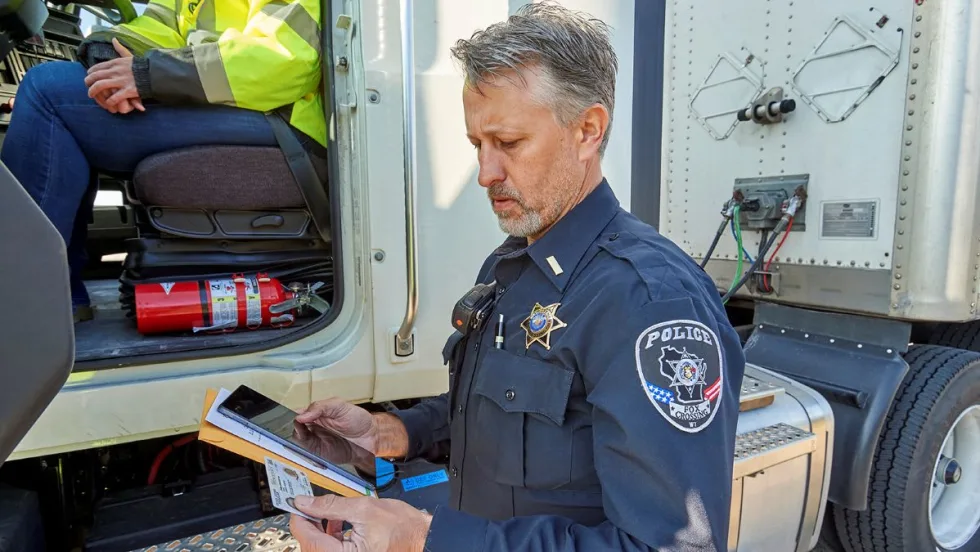
When Language Stops the Truck: The Return of ELP Out-of-Service Orders
English language proficiency rules for commercial drivers aren’t new, but renewed out-of-service enforcement has raised the stakes. Here’s what carriers need to know before a driver reaches a roadside inspection.
Read More →
Samsara Launches Custom AI Agent Builder
Agent Studio lets fleets create AI tools for hours-of-service monitoring, reporting and driver support, including agents that communicate by phone.
Read More →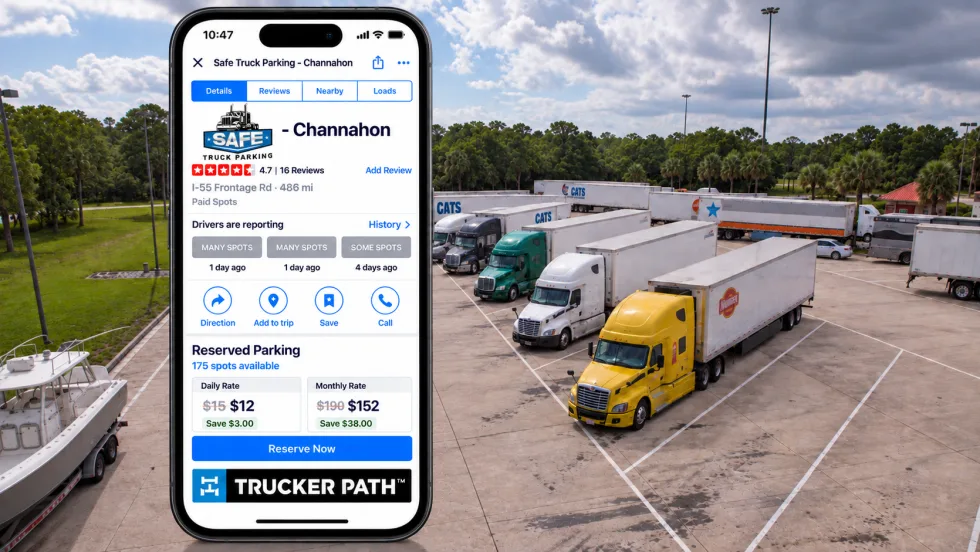
Trucker Path Expands Reserved Parking Network
Trucker Path has added close to 6,000 more truck parking spaces to its Trucker Path Reserved Parking Network with the addition of Safe Truck Parking.
Read More →
EEOC Sues Texas Trucking Company Over Driver Age Limits
The agency says Trancasa USA rejected applicants over 65 and applied tougher driving-record standards to those over 60.
Read More →
Nussbaum, Roehl Announce Second Driver Pay Increase This Year
This year has seen a swath of major truck driver pay increases as freight capacity has tightened.
Read More →
From One Generation to the Next: How Mentorship Builds Safer Truck Drivers
After three decades in trucking, Harold Perry shares what he's learned about driver safety, mentorship, and helping the next generation build confidence behind the wheel.
Read More →
Truck Drivers Need More Than Another Alert
Fleets have more visibility into truck health, safety events, and driver activity than ever. The next challenge is turning all that information into useful guidance for the person who has to decide what to do next.
Read More →
FMCSA Removes 110 Truck Driver Training Schools from Certified ELDT List
Federal regulators also are targeting more than 160 additional training providers and launching a nationwide audit of third-party CDL skills testers as part of a broader crackdown on trucking fraud.
Read More →
Hours of Service Pilot Programs: FMCSA Readies for 2027 Rollout
Two pilot programs could eventually reshape hours-of-service rules, giving truck drivers options to pause their 14-hour clock or use longer split sleeper rest periods.
Read More →
Medical Cards, English Proficiency Reshape Roadcheck Violations
Medical-card violations jumped to the top of the driver out-of-service list during CVSA’s 2026 International Roadcheck, while English-language proficiency violations appeared among the leading violations for the first time.
Read More →