




Nussbaum Expands Driver Compensation with Pay Raises, Profit Sharing
Nussbaum Transportation said its latest compensation package could push first-year driver earnings above $90,000 in key hiring markets.

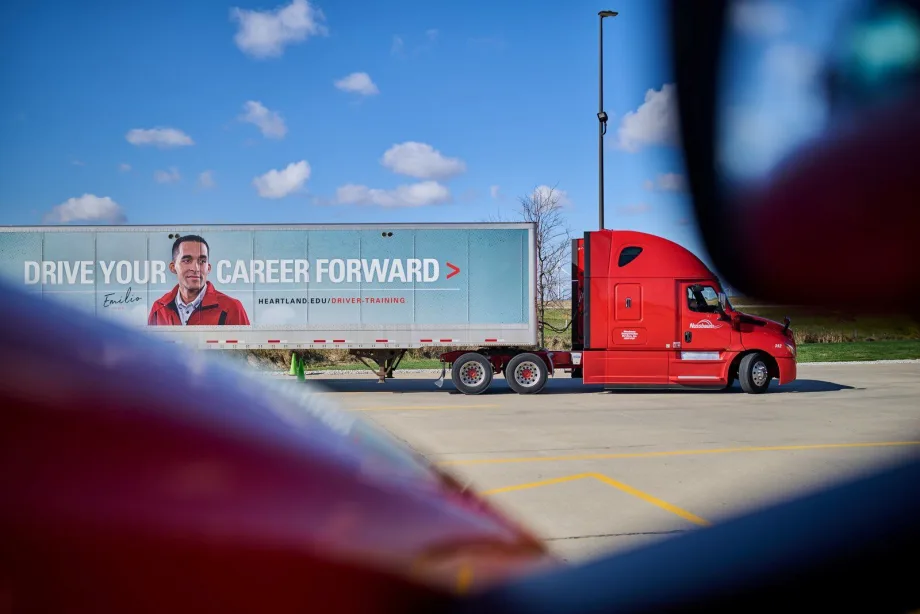
Nussbaum has also launched a fleetwide profit-sharing program that will allow drivers to receive quarterly bonuses tied to company performance.
Nussbaum Transportation
Nussbaum Transportation is rolling out what company leaders describe as the largest compensation update in company history. The new pay package includes higher mileage pay, increased weekly guarantees, a new driver profit-sharing program, and expanded transition incentives.
The Hudson, Illinois-based carrier announced the changes May 26, saying the updated package is aimed at rewarding current drivers while strengthening recruiting efforts in several core Midwest markets.
Maverick Transportation recently announced significant driver pay raises, as well.
“Our Professional Drivers set Nussbaum apart by living our Vision and Values in a job that can be quite challenging,” Bill Wettstein, president of Nussbaum Transportation, said in a statement. “They deserve this pay increase, and we are excited for them to continue sharing in the value that their hard work and dedication have created.”
Mileage Pay and Weekly Guarantees Increase
The pay changes primarily affect irregular-route over-the-road dry van drivers, with the largest increases targeted at what Nussbaum calls its “Key Locations”: Carbon Cliff and Chicago, Illinois; the Chicago-to-Kenosha, Wisconsin corridor; Indianapolis; and Columbus, Ohio.
Current OTR drivers received a 3-cent-per-mile raise along with a $50 increase to their weekly minimum pay guarantee.
For new hires, starting pay increased 5 cents per mile and weekly guarantees rose by $100 compared to earlier this year.
Drivers hired in key locations will receive an even larger boost, with starting pay up 10 cents per mile and guarantees increasing by $200 weekly.
Carrier Introduces Driver Profit Sharing
Nussbaum also launched a fleetwide profit-sharing program that will allow drivers to receive quarterly bonuses tied to company performance.
According to the carrier, payouts in an average year could equal roughly 2 cents per mile, while stronger years could push bonuses beyond 4 cents per mile.
The company said the move is designed to give drivers a more direct stake in Nussbaum’s financial performance.
New drivers joining the carrier will now receive a $3,000 transition bonus paid out within their first six months.

Nussbaum said drivers hired in key markets could earn between $86,000 and $95,000 during their first year
Nussbaum Transportation
Nussbaum also doubled its Early Exit Option from $1,000 to $2,000. The program provides financial assistance to new hires who decide within their first 90 days that the company is not the right fit.
The carrier said the policy supports its “No Surprises” recruiting philosophy by encouraging transparency during the hiring process.
First-Year Earnings Could Reach Mid-$90,000 Range
Nussbaum said the updated compensation structure is expected to significantly increase annual driver earnings.
The company estimates new irregular-route dry van hires will earn an additional $5,000 to $6,000 annually, bringing expected first-year pay to between $81,000 and $92,000 depending on experience.
Drivers hired in key markets could earn between $86,000 and $95,000 during their first year, with second-year earnings potentially exceeding $100,000 through tenure raises, performance incentives, and the carrier’s Professional Certification program.
Before the latest increases, Nussbaum said the top 30% of its OTR drivers already averaged $100,000 annually. The carrier expects that figure to rise after the new pay package takes effect.
More Drivers
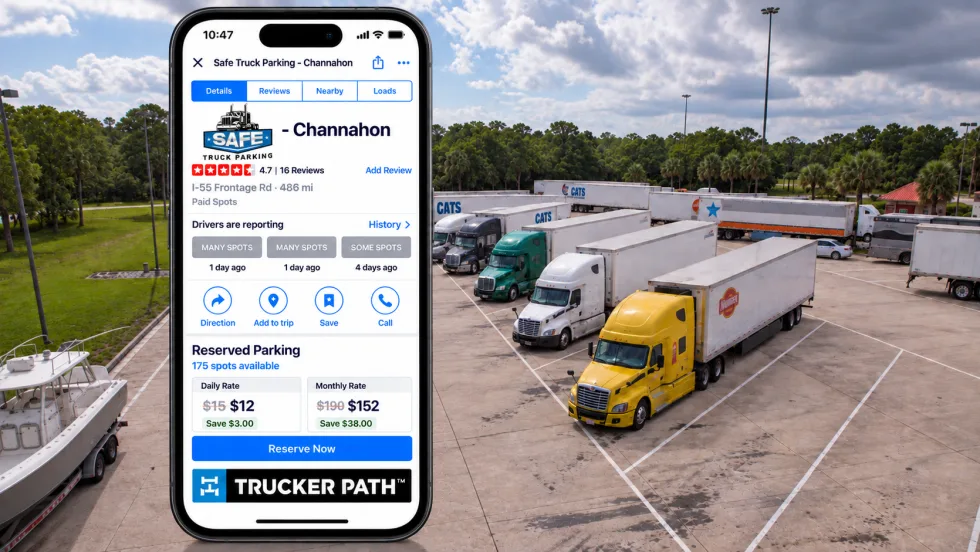
Trucker Path Expands Reserved Parking Network
Trucker Path has added close to 6,000 more truck parking spaces to its Trucker Path Reserved Parking Network with the addition of Safe Truck Parking.
Read More →
EEOC Sues Texas Trucking Company Over Driver Age Limits
The agency says Trancasa USA rejected applicants over 65 and applied tougher driving-record standards to those over 60.
Read More →
Nussbaum, Roehl Announce Second Driver Pay Increase This Year
This year has seen a swath of major truck driver pay increases as freight capacity has tightened.
Read More →
From One Generation to the Next: How Mentorship Builds Safer Truck Drivers
After three decades in trucking, Harold Perry shares what he's learned about driver safety, mentorship, and helping the next generation build confidence behind the wheel.
Read More →
Truck Drivers Need More Than Another Alert
Fleets have more visibility into truck health, safety events, and driver activity than ever. The next challenge is turning all that information into useful guidance for the person who has to decide what to do next.
Read More →
FMCSA Removes 110 Truck Driver Training Schools from Certified ELDT List
Federal regulators also are targeting more than 160 additional training providers and launching a nationwide audit of third-party CDL skills testers as part of a broader crackdown on trucking fraud.
Read More →
Hours of Service Pilot Programs: FMCSA Readies for 2027 Rollout
Two pilot programs could eventually reshape hours-of-service rules, giving truck drivers options to pause their 14-hour clock or use longer split sleeper rest periods.
Read More →
Medical Cards, English Proficiency Reshape Roadcheck Violations
Medical-card violations jumped to the top of the driver out-of-service list during CVSA’s 2026 International Roadcheck, while English-language proficiency violations appeared among the leading violations for the first time.
Read More →
Driver Trust Can Make or Break the Success of Fleet Safety Technology
New Teletrac Navman research suggests that onboarding, transparency about driver data, and positive feedback can play a significant role in how commercial drivers respond to safety and coaching technology.
Read More →
EEOC Sues KLLM Over Alleged Sex Discrimination in Driver Training
KLLM is facing a federal sex-discrimination lawsuit over policies the EEOC alleges put female truck driver trainees at a disadvantage.
Read More →