




FMCSA Redefining High Risk Motor Carrier
The Federal Motor Carrier Safety Administration is adopting a new “High Risk” motor carrier definition along with investigative procedural changes aimed at enabling investigators “to take more immediate action against carriers with the highest crash risk.”

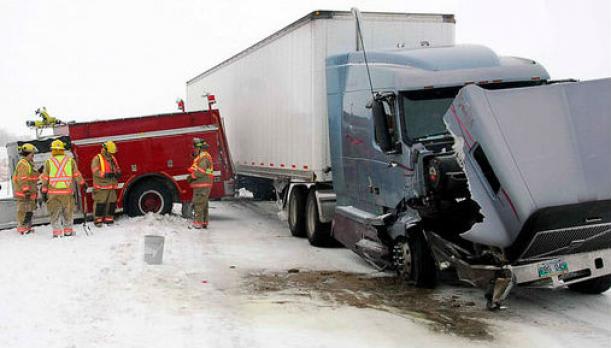
Photo: FMCSA

Photo: FMCSA
The Federal Motor Carrier Safety Administration is adopting a new “High Risk” motor carrier definition along with investigative procedural changes aimed at enabling investigators “to take more immediate action against carriers with the highest crash risk.”
In its notification, published in the Federal Register for March 7, the agency said the changes are in line with its “continuing efforts to improve CSA” and are in line with recommendations made in the “Blueprint for Safety Leadership: Aligning Enforcement and Risk” report.
That report was issued by a Federal Aviation Administration Independent Review Team (IRT) in back in July 2014.
“The IRT recommended that FMCSA sharpen its priority-setting focus and improve the timeliness of investigator actions on those motor carriers representing the highest risk,” said FMCSA in its notice of the changes.
The agency also said that the IRT report noted that the current “High Risk” definition “does not specify which carriers require the most urgent attention or allow for dynamic risk management.”
FMCSA said that under the new definition, non-passenger (that is, property-carrying) motor carriers are considered “High Risk” if they have two or more of these Behavior Analysis and Safety Improvement Categories (BASICs) at or above the 90th percentile for two consecutive months and they have not received an onsite investigation in the previous 18 months: Unsafe Driving, Crash Indicator; HOS Compliance, and Vehicle Maintenance.
As for passenger carriers, they are now deemed “High Risk” if they have two or more of those BASICs at or above the 90th percentile for one month and they have not received an onsite investigation in the past 12 months.
FMCSA contends the new definition will identify fewer at-risk carriers, but “this group of carriers will have a higher crash risk than the group of carriers identified under the current ‘High Risk’ definition.”
The agency stated that the “newly defined ‘High Risk’ list will be the agency's investigative priority,” allowing it “to more promptly conduct investigations of carriers that pose the greatest risk to public safety, rather than placing carriers at high crash risk in a longer queue ofInvestigations.”
FMCSA added that to address those carriers with poor safety performance that will no longer fall under the “High Risk” definition, it will “identify and monitor additional carriers with significant crash risk using dynamic risk management tools recommended by the IRT.”
Comments on the notice must be received on or before May 6,2016 and may be submitted bearing the Docket ID FMCSA-2015-0439 using any of the following methods:
Federal eRulemaking Portal by going to www.regulations.gov and following the online instructions for submitting comments
Fax to 1-202-493-2251
Mail to Docket Management Facility; U.S. Department ofTransportation, 1200 New Jersey Avenue SE., West Building Ground Floor,Room W12-140, Washington, DC 0590-0001
Hand-deliver or courier to: West Building Ground Floor, Room W12-140,1200 New Jersey Avenue SE., Washington, DC, between 9 a.m. and 5 p.m.,ET, Monday through Friday, except Federal holidays
DOT noted that it posts all comments received without change to www.regulations.gov, including any personal information included in a comment.
More Safety & Compliance
How Lance Evans Turns Enforcement Experience Into Better Fleet Safety
HDT Truck Fleet Innovator Lance Evans brings lessons from law enforcement to K&B Transportation’s approach to safety technology, data, driver coaching, and compliance.
Read More →
New FMCSA Chief Safety Officer Has Trucking Industry and Law Enforcement Experience
Steve Dowling joins FMCSA after serving as senior director of safety at Covenant Logistics and in leadership roles in commercial motor vehicle industry organizations.
Read More →
Driver Trust Can Make or Break the Success of Fleet Safety Technology
New Teletrac Navman research suggests that onboarding, transparency about driver data, and positive feedback can play a significant role in how commercial drivers respond to safety and coaching technology.
Read More →
FMCSA: Stop Using These 15 Electronic Logging Devices
Fleets and drivers must replace the revoked ELDs with ones on the FMCSA's registered device list of electronic logging devices.
Read More →
How HDT’s 2026 Truck Fleet Innovators Are Rethinking Fleet Operations
Meet five trucking leaders who are challenging assumptions, solving operational problems, and putting innovative ideas to work.
Read More →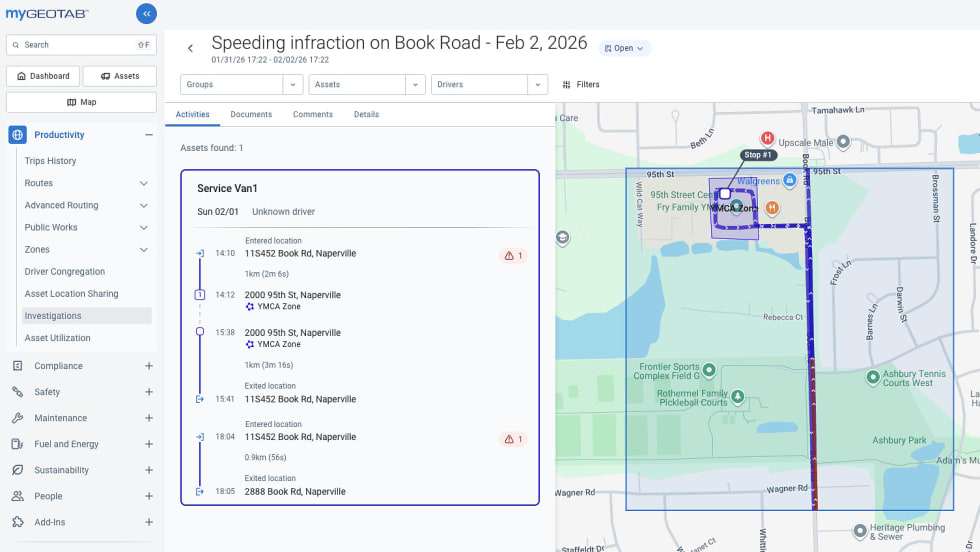
Geotab Launches Tool to Speed Fleet Incident Investigations
Geotab Investigations brings telematics data, video, photos, reports and other evidence into one case file to help fleets determine what happened and resolve incidents faster.
Read More →
FMCSA Moves to Codify English Language Requirements for Commercial Drivers
By changing regulations on English-language proficiency requirements for commercial drivers, rather than relying on a guidance memo, the FMCSA said future administrations won't be able to walk back the Trump administration's stricter enforcement with just a memo.
Read More →
Trump Administration Expands Homeland Security's Role in Trucking Enforcement
The administration's latest trucking crackdown goes beyond roadside inspections, expanding Homeland Security's role in commercial vehicle enforcement and investigations involving CDL training schools.
Read More →
Paccar Recalls 2027 Trucks Built This Summer for Possible Electrical Problem
The nearly 6,000 Kenworth and Peterbilt trucks in the recall could potentially lose engine power, among other things.
Read More →
Brake Safety Week to Focus on Drums and Rotors
Commercial vehicle inspectors will be focusing on brakes during CVSA's Brake Safety Week, August 23-29.
Read More →