




FMCSA Orders Two Carriers, One Driver to Cease Operating
The Federal Motor Carrier Safety Administration last week ordered two trucking companies and one driver to stop operating as imminent hazards to public safety. The orders were triggered by flagrant disregard for hours of service and other safety regulations.
The Federal Motor Carrier Safety Administration last week ordered two trucking companies and one driver to stop operating as imminent hazards to public safety. The orders were triggered by flagrant disregard for hours of service and other safety regulations.
Oak Park, Mich.-based Highway Star Inc. was ordered to immediately cease operations, along with one of its drivers, Ibrahim Fetic, after Fetic caused a March 2 fatal crash.
Fetic was on Interstate 65 in Hardin County, Ky., when he rear-ended a passenger vehicle, killing six people and injuring two others. A post-crash investigation found that Fetic had been driving well in excess of HOS regulations and had falsified his record-of-duty status log.
FMCSA also found that Highway Star failed to require its drivers to comply with HOS regulations. It also allowed or required its drivers operating CMVs in interstate commerce to falsify their logbooks and failed to preserve these records.
A copy of the imminent hazard out-of-service order can be viewed at http://www.fmcsa.dot.gov/documents/about/news/2013/HighwayStar-IH-Order-signed.pdf.
The FMCSA also shut down General Trucking Inc., Atlanta, as a result of an investigation after its trucks were involved in a series of crashes and found it was dispatching grossly overloaded trucks, had drivers without CDLs, did not follow drug testing regulations and was not monitoring hours of service compliance.
On March 11, 2013, FMCSA began a comprehensive investigation of the company because the carrier had four alert BASICs placing it in the top percentiles for poor safety performance: Unsafe Driving (100%); Hours of Service Compliance (95%); Driver Fitness (99.9%); and Crash Indicator (96.8%).
During the past four months, the company was cited for operating overweight motor vehicles in 39 out of 48 roadside inspections. On December 18, 2012, the Florida Highway Patrol issued an overweight citation to because the vehicle was 15,440 pounds heavier than the manufacturers’ GVWR. On December 5, the South Carolina State Transport Police issued an overweight citation because the vehicle was 26,500 pounds heavier than the manufacturers’ GVWR.
A copy of the imminent hazard out-of-service order can be viewed at www.fmcsa.dot.gov/documents/about/news/2013/GeneralTruckingInc.pdf
More Safety & Compliance
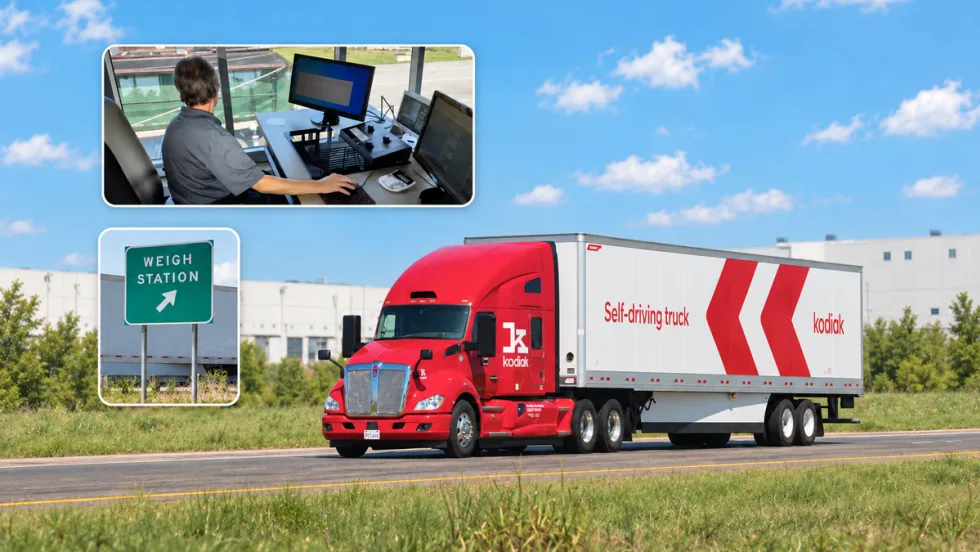
PrePass, Kodiak Connect Driverless Trucks to Roadside Enforcement
The system will allow enforcement agencies to verify Enhanced Inspection information and decide whether Kodiak’s autonomous trucks can bypass roadside screening sites.
Read More →
From One Generation to the Next: How Mentorship Builds Safer Truck Drivers
After three decades in trucking, Harold Perry shares what he's learned about driver safety, mentorship, and helping the next generation build confidence behind the wheel.
Read More →
FMCSA Pauses Biennial-Update Enforcement Amid Motus Transition
Carriers whose updates were due on or after June 1 have more time, while FMCSA works to stabilize its new registration system and warns of phishing sites impersonating its new carrier registration system, Motus.
Read More →
ZF Expands Commercial Vehicle Push in North America
ZF is expanding its North American commercial-vehicle presence with new transmission applications, electrification, trailer technology and autonomous-driving systems.
Read More →
Truck Drivers Need More Than Another Alert
Fleets have more visibility into truck health, safety events, and driver activity than ever. The next challenge is turning all that information into useful guidance for the person who has to decide what to do next.
Read More →
Tesla Wants a Self-Driving Semi. Are Cameras Enough?
Could Tesla’s camera-only autonomous driving technology work on an 80,000-pound Semi? In this commentary, HDT's Deborah Lockridge takes a look at Tesla, Cybercab, and how autonomous trucks see the road.
Read More →
What DOT’s Automated Vehicle Strategy Means for Trucking
The U.S. Department of Transportation issued a new automated-vehicle strategy that outlines plans for driverless-truck regulations, cross-state freight corridors, and federal safety standards.
Read More →
NYC Expands Speed, Pedestrian Safety Tech Across Fleet
New York City is expanding intelligent speed assistance and pedestrian-alert systems across its municipal fleet, moving the technologies from pilot programs into vehicle procurement and retrofit requirements.
Read More →
FMCSA Removes 110 Truck Driver Training Schools from Certified ELDT List
Federal regulators also are targeting more than 160 additional training providers and launching a nationwide audit of third-party CDL skills testers as part of a broader crackdown on trucking fraud.
Read More →
Beyond DOT Compliance: What Makes a Trucking Fleet Truly Safe?
A trucking fleet can follow every rule and still make unsafe decisions. The real test comes when safety conflicts with freight, productivity, or cost.
Read More →